

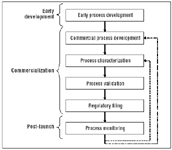


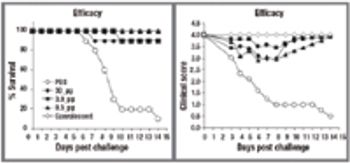
This article discusses the production process of the major influenza antigen, hemagglutinin (HA), by rDNA methods in E. coli.
The authors evaluated the potential of direct filtration for multiple biopharmaceutical candidates. This article is Part 2 of the study.
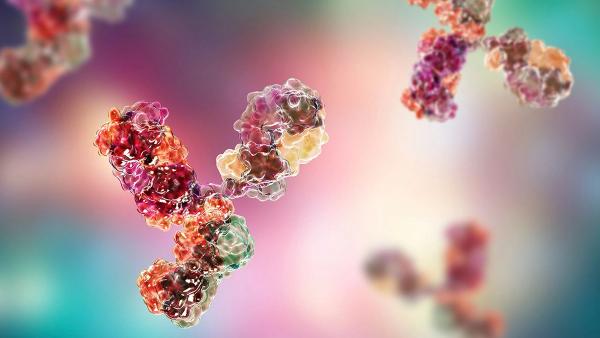
The authors present a methodology to assess the contribution of individual filters to overall capacity of the direct filtration train, and elucidate how capacity is affected by characteristics of the cell culture broth and process parameters.
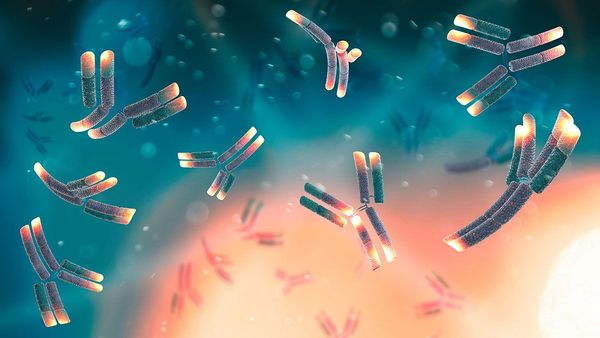
SUS aids biopharma manufacturers to overcome the rigidity of more traditional stainless-steel technologies.
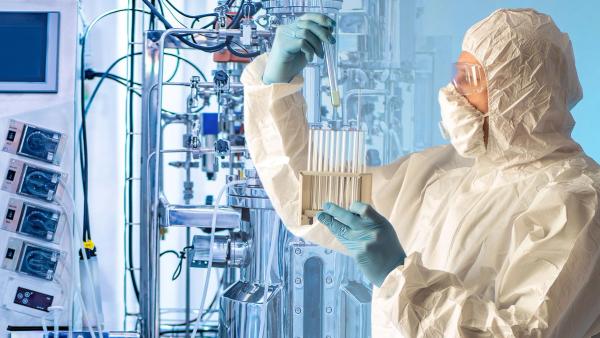
This article discusses the production process of the major influenza antigen, hemagglutinin (HA), by rDNA methods in E. coli.

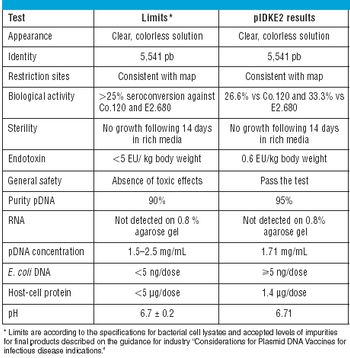
Interview with Magda Marquet, co-CEO and co-president of Althea Technologies
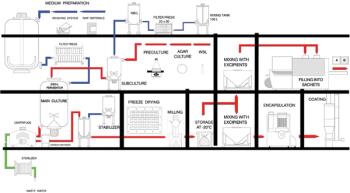
There are a number of specific characteristics to be considered when developing and manufacturing live bacterial vaccines.
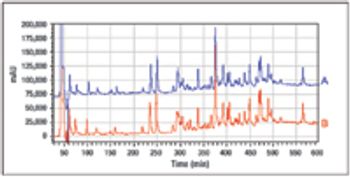
The Center for Molecular Immunology (Havana, Cuba) has been working on a novel cancer immunotherapy targeting the epidermal growth factor (EGF). The vaccine is composed of a chemical conjugate of EGF and a carrier protein (rP64k), designed to trigger an anti-EGF antibody response. The results of studies of molecular characterization, immunogenic activity, and clinical data are presented here.

To succeed in a pandemic, the industry must forge a preparedness plan to ensure adequate vaccines.

The year 2007 witnessed the approval of fifteen biopharmaceuticals in the United States and European Union.
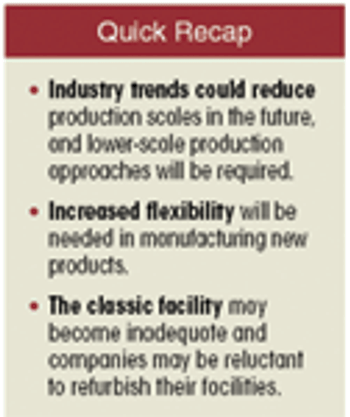
An analysis of current and upcoming industry challenges.

To achieve the right balance between disposable and reuseable options, companies must consider important technical and economic factors.

How to implement a risk-based approach to eliminating viruses.
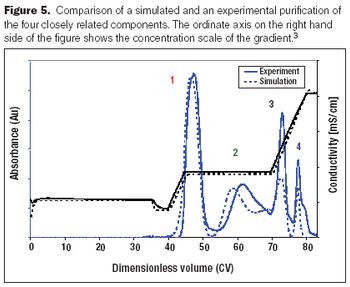
A review of some recent contributions in process chromatography.
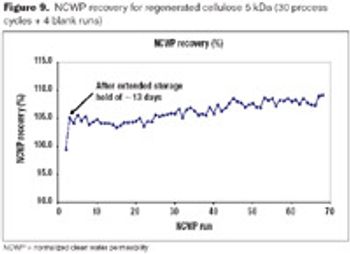
Best methods to maximize product yield and membrane lifetime to enhance a tangential flow filtration process.

Improving your quality operations by using sound statistical principles.

Process-modeling tools can ensure smooth tech transfer.
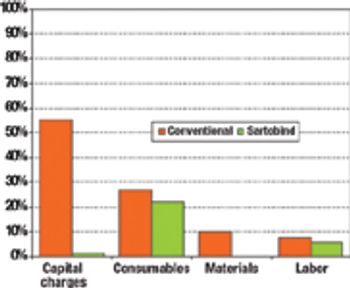
The current focus on cost-of-goods (COGS) models is underplaying the benefits of disposables technology in biopharmaceutical manufacturing. The best method for accounting for the benefits of reduced and delayed capital expenditures is through the use of NPV analysis.
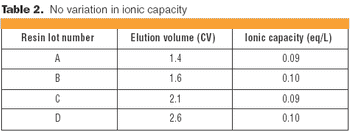
Understanding the impact on process performance.

In the context of process validation, the confirmation of a belief must be checked repeatedly, throughout the product lifecycle.
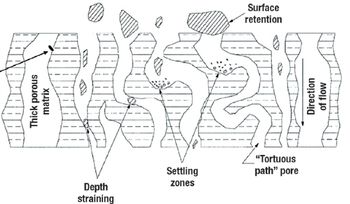
A comparison of primary harvest techniques.
The book is a useful, comprehensive, and truly an excellent reference source of biopharmaceutical information.

Disposable technologies that mimic the conventional stainless-steel bioreactor will be most readily adopted
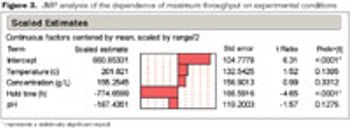
A case study investigated the root cause of failures in sterile filtration by evaluating the effects and interactions of four operating parameters.
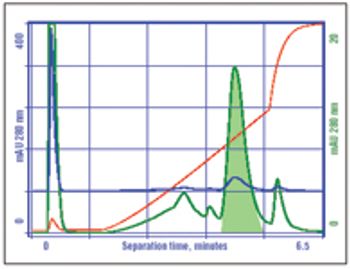
Manufacturing challenges surround the use of IgM monoclonal antibodies, but these can be overcome with current technology.
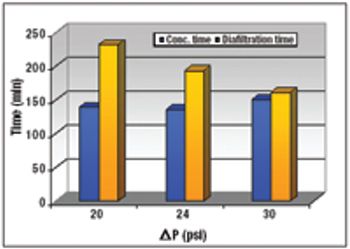
An alternative approach to traditional Protein A schemes is comparable in overall efficiency, product recovery, and quality.
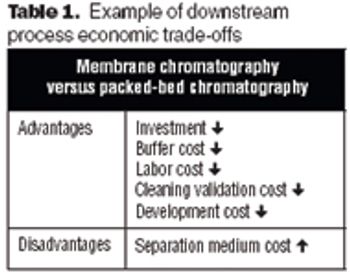
The future of therapeutic MAbs lies in the development of economically feasible downstream processes.
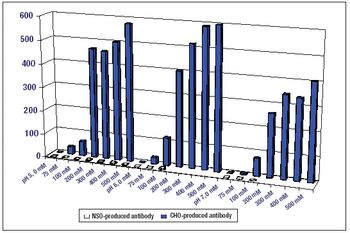
If certain engineering challenges can be addressed, precipitation may prove to be a valuable tool for antibody purification.