


Antibody fragments pose unique challenges in recovery, purification, and formulation.
The authors evaluated the potential of direct filtration for multiple biopharmaceutical candidates. This article is Part 2 of the study.
The authors present a methodology to assess the contribution of individual filters to overall capacity of the direct filtration train, and elucidate how capacity is affected by characteristics of the cell culture broth and process parameters.
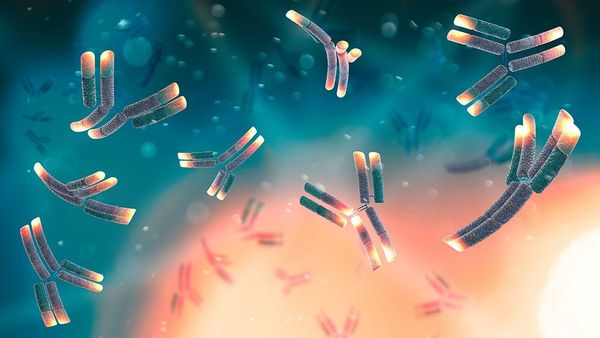
SUS aids biopharma manufacturers to overcome the rigidity of more traditional stainless-steel technologies.
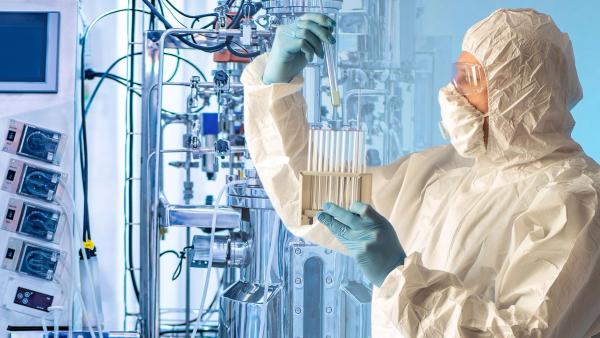
Antibody fragments pose unique challenges in recovery, purification, and formulation.

Techniques to enable the design and formulation of stable, protein-based therapeutics.
A prototype Protein A resin is evaluated for purification performance, reusability, and cost performance.

Data from BioPlan Associates' 10th Annual Report and Survey of Biopharmaceutical Manufacturing Capacity and Production suggest that the interest in disposable devices has begun to extend to biopharma operations beyond basic single-use bags and connectors.
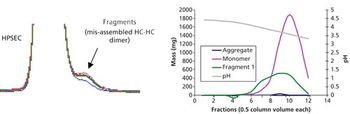
The authors discuss the evolution of the purification platform for manufacturing of mAb therapeutics.
BioReliance opens Clearance Services Laboratories in Maryland for downstream bioprocessing studies.
While the severity of capacity problems related to downstream processing appears to have eased, it continues to be a problem and chromatography columns are the most frequent culprits.

A simple, sensitive, and universal platform for identification and quantification of trace-level protein impurities in biotherapeutics is described.

Sartorius Stedim Biotech's Sartoguard NF prefilter series features a combination of high-performance PES and innovative nano-fleece technology.
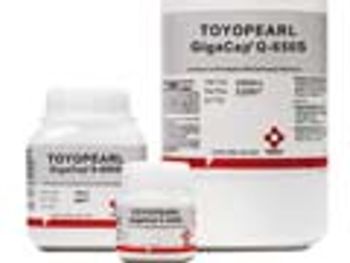
Tosoh Bioscience's two ion exchange chromatography resins are designed for the high-resolution purification of proteins, peptides, and oligonucleotides.
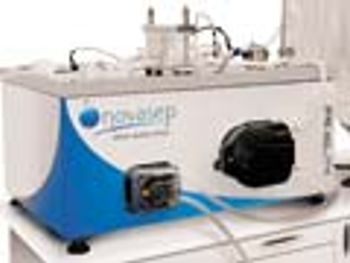
Novasep's Sius single-use tangential flow filtration skid offers a 100% single-use TFF solution.
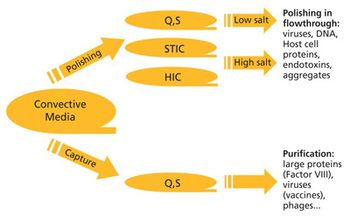
As constant scale up grows out of favor in the biopharmaceutical industry, new-and old-approaches are required. The author reviews the state of downstream processing and considers potential solutions, including the streamlining of full processes and borrowed technologies
Uwe Gottschalk, vice-president of purification technologies, Sartorius Stedim Biotech, discusses specific challenges in protein purification.
The industry needs to embrace innovation to improve the efficiency and robustness of biopharmaceutical purification without driving up the cost of goods.
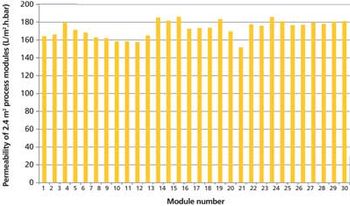
Test procedures for a surface-modified polyethersulfone hollow-fiber filter.

The author discusses HTST pasteurization and UHT sterilization.
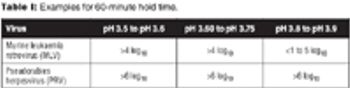
Viruses in animal-derived starting materials could contaminate biopharmaceutical final product. A rigorous testing strategy and removal methods are reviewed.
Industry experts discuss the implementation of QbD and PAT tools in biopharmaceutical manufacturing.
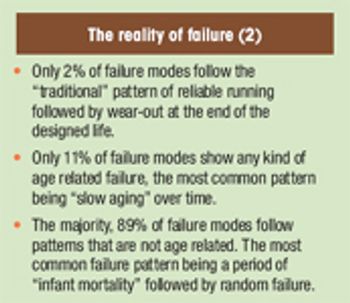
The authors provide common misconceptions and key concepts behind reliability engineering.
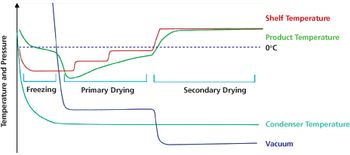
Optimized freeze-drying cycles can offer scientific and business advantages.
Aggregate formation is influenced by multiple aspects of the bioproduction process but can be mitigated by good process design and control.

What the industry's future holds and what needs to be done to get there.
NIBRT's Ray O'Connor provides an overview of aseptic processing.
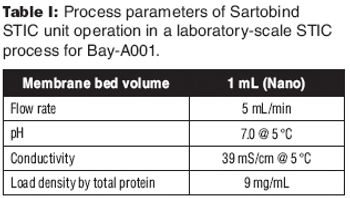
A new downstream purification platform using a salt-tolerant membrane adsorber.
The author examines the use of closures for products intended for injection.