



Biologic Drugs in Development
Latest News
Advertisement
Latest Videos
Advertisement
More News
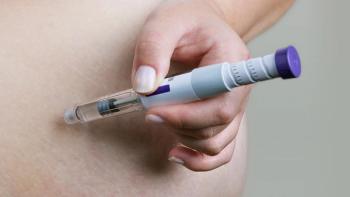
Insulin efsitora alfa-gobe (Onswik) cuts injections from 365 to 52 a year for adults with type 2 diabetes, per its new FDA approval.
Genentech is paying Earendil Labs $55 million upfront in a deal worth over $1.5 billion to develop bispecific antibodies for hard-to-treat cancers.

Guselkumab eased spinal pain, stiffness, and MRI-confirmed spinal inflammation in a 411-patient trial of psoriatic arthritis with axial involvement.
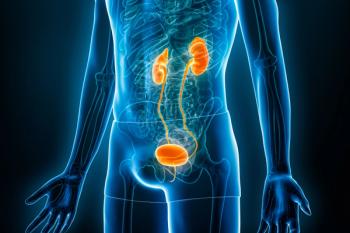
AstraZeneca's sBLA for durvalumab combined with neoadjuvant enfortumab vedotin in muscle-invasive bladder cancer, based on the Phase 3 VOLGA trial, has a PDUFA date expected in the fourth quarter of 2026.

IMVT-1402 (imeroprubart) failed to reach statistical significance on CLASI-A at Week 12 in a 57-patient proof-of-concept study, and Immunovant will stop development in cutaneous lupus erythematosus. The anti-FcRn antibody continues in five other autoimmune indications.
SOTIO Biotech's LRRC15-targeted antibody-drug conjugate SOT106 now holds both Orphan Drug and Fast Track Designations in soft tissue sarcoma and osteosarcoma. The company expects to start first-in-human testing later in 2026.

Johnson & Johnson's modeling projects 18.5-year life expectancy with Tecvayli-Darzalex versus 4.9 years for standard care.

InnoCare will discover compounds against up to 5 targets for Lilly, backing a deal worth up to $3.35 billion in milestones.
FDA's new rule formally recognizes non-animal methods like organoids and AI models as valid ways to support human drug testing.

Amgen's Dazodalibep Meets Primary Endpoint in Phase 3 Sjögren's Trial
Published: | Updated:
Dazodalibep hit its phase 3 primary endpoint at week 48, building on phase 2 data showing a 6.3-point ESSDAI reduction versus placebo.

Novo Nordisk reports that CagriSema outperformed tirzepatide with 12.4% weight loss versus 9.1% in a phase 3 trial in adults with type 2 diabetes.

Laru-zova helped 31% of high-dose patients gain 15+ letters of vision, representing the first pivotal trial to succeed in treating XLRP.
Telix will acquire ITM for $1.65 billion, gaining a phase 3-validated therapy that cut GEP-NET progression risk versus everolimus.

mAbxience and Sandoz are targeting a $5.7 billion market with a proposed emicizumab biosimilar for hemophilia A.
Fayuvi scored 23.5 points higher than untreated peers on cognitive testing, backing the first-ever approval for a Sanfilippo syndrome A gene therapy.

Dualitas will screen over 300,000 bispecific combinations for Roche, backing a deal worth up to $1 billion in immunology research.

Inebilizumab (Uplizna) cut MG-ADL scores by 1.9 points versus placebo, supporting its approval in Japan for myasthenia gravis.
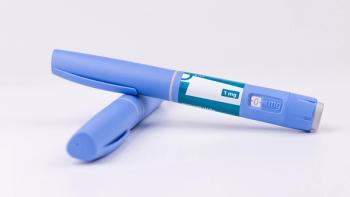
Regulatory approvals, trial data, and major licensing deals in 2026 are accelerating subcutaneous biologics, cutting patient burden and reshaping biopharma strategy.

Insilico's Longevity Vaccines use circular mRNA to arm T cells against aging's earliest culprit cells, starting with immune rejuvenation.
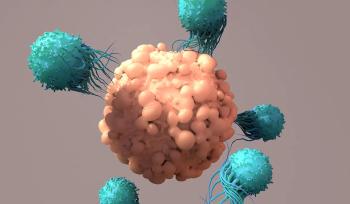
GSK's new trispecific TCE targets 2 tumor antigens plus T cells, aiming to improve on the tolerability of current myeloma therapies.
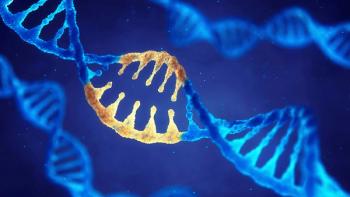
Phio's PH-762 posted a 70% response rate in skin cancer, supporting its FDA briefing package for a planned phase 2b trial.

Cellectis is pivoting to in vivo gene editing to advancing its .HEAL-101 and .HEAL-201 candidates for lipid disorders while exiting its CAR T programs.

With 15 patients now dosed in its pivotal EMERALD trial, Resolution will build on the 70% 4-year transplant-free survival seen with RTX001 in earlier data.

Lundbeck's asedebart, which blocks ACTH signaling at its source, has won FDA orphan status for endogenous Cushingsyndrome.
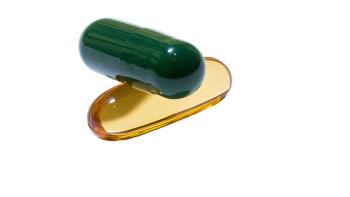
Biora's BioJet capsule aims to deliver adalimumab without a needle, entering human testing after hitting 51.3% preclinical bioavailability.
Advertisement
Advertisement