





Development
Latest News
Advertisement
Research into Cold Cancers Heating Up
Accurately targeted immunotherapies through reliable neoantigen recognition enable personalized medicine development.
Proprietary Cell-Line Development for High-Titer AAV Manufacturing
Proprietary cell lines offer opportunities for achieving high AAV titers.

Bracing for a Future Wave of Advanced Therapies
In the ATMP space, CGTs are hitting their stride with unprecedented approvals in the past year alone.

Latest Videos


Shorts
Advertisement
More News

Daiichi Sankyo and Merck pulled ifinatamab deruxtecan's FDA filing in small cell lung cancer after a 187-patient trial fell short.

IPEC’s EIP user guide streamlines information exchange and response times while increasing accuracy through standardization.
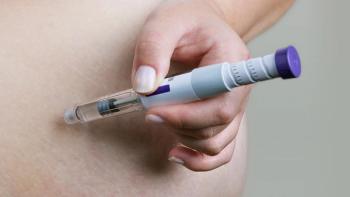
Insulin efsitora alfa-gobe (Onswik) cuts injections from 365 to 52 a year for adults with type 2 diabetes, per its new FDA approval.
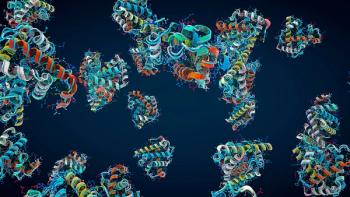
Genentech is paying Earendil Labs $55 million upfront in a deal worth over $1.5 billion to develop bispecific antibodies for hard-to-treat cancers.

Guselkumab eased spinal pain, stiffness, and MRI-confirmed spinal inflammation in a 411-patient trial of psoriatic arthritis with axial involvement.

IMVT-1402 (imeroprubart) failed to reach statistical significance on CLASI-A at Week 12 in a 57-patient proof-of-concept study, and Immunovant will stop development in cutaneous lupus erythematosus. The anti-FcRn antibody continues in five other autoimmune indications.

SOTIO Biotech's LRRC15-targeted antibody-drug conjugate SOT106 now holds both Orphan Drug and Fast Track Designations in soft tissue sarcoma and osteosarcoma. The company expects to start first-in-human testing later in 2026.

Johnson & Johnson's modeling projects 18.5-year life expectancy with Tecvayli-Darzalex versus 4.9 years for standard care.

InnoCare will discover compounds against up to 5 targets for Lilly, backing a deal worth up to $3.35 billion in milestones.
FDA's new rule formally recognizes non-animal methods like organoids and AI models as valid ways to support human drug testing.

Amgen's Dazodalibep Meets Primary Endpoint in Phase 3 Sjögren's Trial
Published: | Updated:
Dazodalibep hit its phase 3 primary endpoint at week 48, building on phase 2 data showing a 6.3-point ESSDAI reduction versus placebo.

Glycomine's GLM101, an investigational liposomal mannose-1-phosphate substrate replacement therapy, has received FDA Breakthrough Therapy designation for PMM2-CDG, a rare glycosylation disorder with no approved treatments.
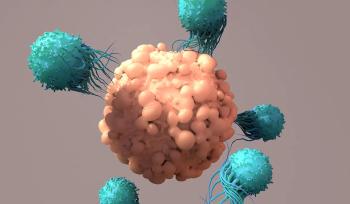
Made Scientific's new 85,000-sq.-ft. facility, with 145 prior GMP batches, adds clinical- to commercial-scale cell therapy capacity.

Novo Nordisk reports that CagriSema outperformed tirzepatide with 12.4% weight loss versus 9.1% in a phase 3 trial in adults with type 2 diabetes.

Vironexis Biotherapeutics reported that the first three antibody-naive patients with relapsed/refractory acute lymphoblastic leukemia treated with its one-time in vivo immunotherapy VNX-101 all achieved MRD-negative complete responses, with durability tracked through at least nine months.

Laru-zova helped 31% of high-dose patients gain 15+ letters of vision, representing the first pivotal trial to succeed in treating XLRP.
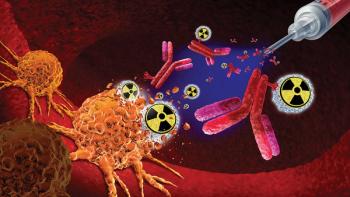
Telix will acquire ITM for $1.65 billion, gaining a phase 3-validated therapy that cut GEP-NET progression risk versus everolimus.

mAbxience and Sandoz are targeting a $5.7 billion market with a proposed emicizumab biosimilar for hemophilia A.
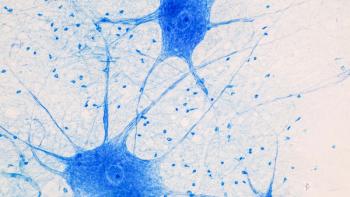
Fayuvi scored 23.5 points higher than untreated peers on cognitive testing, backing the first-ever approval for a Sanfilippo syndrome A gene therapy.

Panelists from FDA, Genentech, and Minaris discussed raw material risk, supplier oversight, and at-risk release strategies for advanced therapies at the PDA/FDA Joint Regulatory Conference.

Dualitas will screen over 300,000 bispecific combinations for Roche, backing a deal worth up to $1 billion in immunology research.

Sanofi's Dr Jack Prior detailed a data maturity framework for biologics manufacturing, while FDA and Gilead panelists debated risk-based AI validation.

FDA's consumer safety officer, Jason Chancey, detailed real inspection findings, such as taped gaskets and delayed retesting, behind sterile facility deficiencies.

Inebilizumab (Uplizna) cut MG-ADL scores by 1.9 points versus placebo, supporting its approval in Japan for myasthenia gravis.
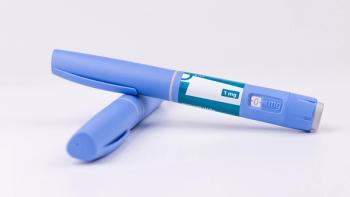
Regulatory approvals, trial data, and major licensing deals in 2026 are accelerating subcutaneous biologics, cutting patient burden and reshaping biopharma strategy.
Advertisement
Advertisement