



Partnerships
Latest News
Advertisement
Latest Videos


Advertisement
More News

UCB will use Cradle’s AI-driven protein design platform in selected discovery projects, from hit generation through preclinical readiness, expanding its digital antibody engineering program.
Boehringer Ingelheim will pay Sino Biopharmaceutical $358 million upfront and near-term for options on six biologic oncology programs, deepening a partnership that began in 2024.

Teva will commercialize etanercept-ykro (Eticovo) and infliximab-abda, adding 2 TNF inhibitor biosimilars to US options for inflammatory diseases.

HM15421/GC1134A could become the first subcutaneous enzyme replacement therapy for Fabry disease, with BioMarin paying $70 million upfront.

DAX-044 aims to confine IL-12 activity to tumors and avoid the toxicity that has limited IL-12 therapy, with phase 1 testing expected in 2027.

Zylidac will test whether optogenetic cell lines that hit 21 g/L in small-scale CHO runs can deliver higher-yield complex biologics at GMP scale.

EA2251, the 7th registrational trial of ivonescimab, will test it plus chemotherapy vs pembrolizumab or durvalumab regimens in first-line BTC.

Roche will take ex-China development of Hansoh’s two preclinical ADCs and multiple programs against Roche-proposed targets once Hansoh completes global phase 1a trials. The deal includes $400 million upfront and more than $15 billion in potential milestones.

FAQ: When Big Pharma Drops a Drug Candidate, Who Picks It Up?
Published: | Updated:
When large pharmaceutical companies deprioritize drug candidates, smaller developers may license or acquire them, but due diligence, deal structure, and trial planning determine whether a program can move forward.

AVT29, a proposed aflibercept biosimilar to Eylea 8 mg, could extend retinal disease treatment intervals to 16 weeks, versus 8 weeks today.
Gilead will develop up to three PRO-XTEN T-cell engagers discovered by Vir Biotechnology for solid tumors in a deal worth up to $1.74 billion.

Rona's ALK7 RNAi candidate, licensed to Roche for up to $1.06 billion in milestones, aims to cut visceral fat while sparing lean mass.
CSL and Alentis will co-develop lixudebart, an antibody targeting claudin-1, across 3 rare kidney and liver disease indications.

AL050 aims to treat GBA1-driven Parkinson disease by delivering a GCase enzyme across the blood-brain barrier.

Novartis has secured an exclusive worldwide license to ABO2203, Abogen's investigational mRNA-encoded CD19xCD3 T-cell engager designed to produce the bispecific inside the body to reset B cells in autoimmune disease. The agreement also includes options on other programs built on Abogen's RNA platform.

The 15-month project could let living cell therapies ship and store at room temperature, cutting cold-chain costs that limit patient access.
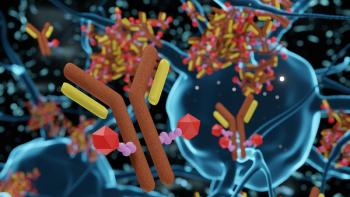
A planned phase 3 trial will test the TROP2 ADC and PD-1/VEGF bispecific together in 1st-line triple-negative breast cancer.
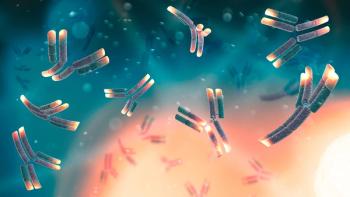
Sanofi is paying Regeneron up to $8 billion to co-develop REGN20423 and 3 other long-acting antibodies beyond dupilumab (Dupixent).
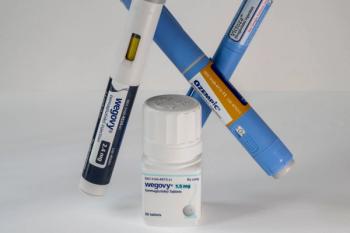
Novo gains global rights, excluding Greater China, to HRS-1596, a phase 1-ready GLP-1/GIP dual receptor agonist that Hengrui says has potential for once-weekly oral dosing in obesity and type 2 diabetes.
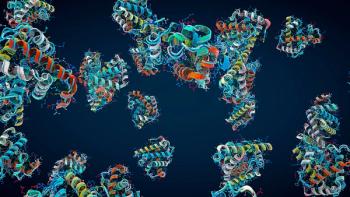
Genentech is paying Earendil Labs $55 million upfront in a deal worth over $1.5 billion to develop bispecific antibodies for hard-to-treat cancers.

InnoCare will discover compounds against up to 5 targets for Lilly, backing a deal worth up to $3.35 billion in milestones.

mAbxience and Sandoz are targeting a $5.7 billion market with a proposed emicizumab biosimilar for hemophilia A.

Dualitas will screen over 300,000 bispecific combinations for Roche, backing a deal worth up to $1 billion in immunology research.
Advertisement
Advertisement
Trending on BioPharm International
1
WuXi Biologics' New Jersey Plant Enters Commercial Manufacturing
2
Novartis' Inclisiran Cuts Cardiovascular Events in ORION-4 Trial
3
Leads Biolabs Details Long-Term Survival Data and 2027 ADC Combination Plans for PD-L1/4-1BB Bispecific Opamtistomig
4
Celldex Ends Program for its Atopic Dermatitis Treatment After Phase 2 Miss Points to Limited Role for Mast Cells
5