







Contract Manufacturing, Biopharmaceutical Production
Latest News
Advertisement
Latest Videos



Advertisement
More News
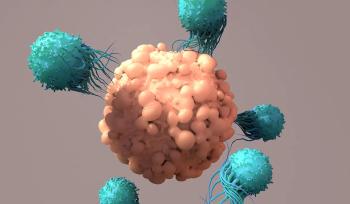
Made Scientific's new 85,000-sq.-ft. facility, with 145 prior GMP batches, adds clinical- to commercial-scale cell therapy capacity.

mAbxience and Sandoz are targeting a $5.7 billion market with a proposed emicizumab biosimilar for hemophilia A.

Genprex moves its diabetes gene therapy toward the clinic, tapping a CGMP CDMO after preclinical models reversed hyperglycemia in mice.

Outsourced cell and gene therapy manufacturing is set to grow nearly 6-fold by 2035 as biotech pipelines outpace in-house capacity.
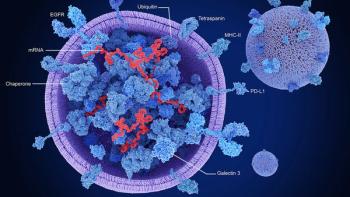
Under the 5-year manufacturing deal, NurExone will access Made Scientific's Princeton, NJ, GMP facility to speed regenerative exosome therapies toward clinical trials.
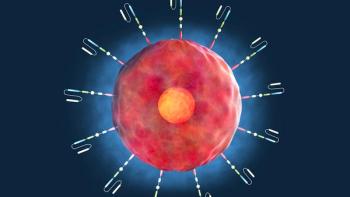
Kyverna Therapeutics and ElevateBio have entered a commercial manufacturing and supply agreement for miv-cel, Kyverna's autologous CD19-targeting CAR T-cell therapy, securing scalable production ahead of a planned launch in stiff person syndrome.

Under the deal, Lonza will grant Engitix a single-target ADC license for SYNtecan E, GlycoConnect, and HydraSpace to advance ECM-targeted fibrosis and cancer therapies.

In the second half of an interview at the close of INTERPHEX 2026, Avantor’s Jerry Keybl explains that digital integration and AI-driven analytics enable predictive bioprocess control and can thus improve consistency, scalability, and data-driven manufacturing decisions.

AI and automation may streamline cell and gene therapy manufacturing by reducing labor demands while improving efficiency and supporting scalable production, says Dr. Alan Smith of Charles River Laboratories.

Trust-based CDMO partnerships are becoming essential to accelerate injectable drug development, manage risk, and ensure resilient biopharma supply.

Integrated CDMO networks streamline complex drug development across advanced modalities like ADCs.

Biomanufacturing is shifting toward more resilient and digitized networks for enhanced supply security amid global and supply-chain volatility.

Samsung Biologics’ Maryland acquisition signals a major push into US biologics manufacturing, reshaping the company’s capacity strategy and supply chain resilience.

The new collaboration will aim to streamline formulation-to-manufacturing workflows and de-risk development.

Codexis and Nitto Denko Avecia aim to advance next-gen siRNA production methods for improving scalability of RNA therapeutics.

SK pharmteco expands US peptide production capacity, strengthening domestic API manufacturing and accelerating biopharma process development.

RION partners with Lonza for CGMP manufacturing of PEP, advancing exosome drug development and scalable biopharma production.

New GS knockout CHO-K1 systems accelerate biologics manufacturing by improving yields, scalability, and flexibility for biopharma development programs.

This collaboration between Andelyn Biosciences and Tern Therapeutics moves the gene therapy TTX-381 closer to approval for treating vision loss linked to CLN2 Batten disease.
The Hopewell, N.J., site adds scalable, end-to-end viral vector production with integrated quality systems to speed clinical and commercial gene therapy programs.

Northway Biotech will develop and scale production of AATec’s ATL-105 for the treatment of non-CF bronchiectasis.
Rising demand for peptide-based therapeutics prompts the launch of this new peptide research center, which will offer services across peptide synthesis, discovery, and advanced modalities.
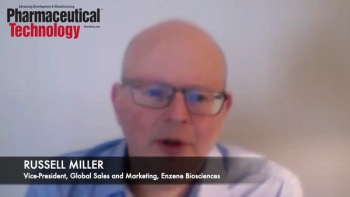
Russell Miller, vice-president of Global Sales & Marketing at Enzene, discusses how continuous bioprocessing is at the forefront of changing biologics manufacturing moving forward.

The manufacturing agreement is expected to run through December 2030, subject to change, with production to take place at Samsung Biologics’ Songdo, South Korea, site.
The company has formed Scinai Bioservices Inc., new US-based subsidiary operating out of Delaware that will serve biotech companies in early stage drug development.
Advertisement
Advertisement
Trending on BioPharm International
1
Updates on Simtra BioPharma Solutions’ Bloomington Capacity Expansions
2
AstraZeneca Acquires Omniose, Adding Bioconjugate Vaccine Platform
3
J&J’s Dual-Antigen Bispecific Regimen Achieves 73% PSA Response in Advanced Prostate Cancer
4
argenx Agrees to Buy Unnatural Products in Up to $1.15 Billion Deal
5