


A Q&A on bioanalytical method integrity with Roger Hayes of MPI Research.
NGS abbreviates drug discovery timelines.

There is a great need for sensitive, precise, and easily accessible analytical detection techniques for protein sequencing.

Developing cell-based potency assays for cell therapies requires meticulous coordination.

A Q&A on bioanalytical method integrity with Roger Hayes of MPI Research.
Design space generation is encouraged in new product development.

Methods must be suitable at each development phase, robust, and effective on multiple platforms.
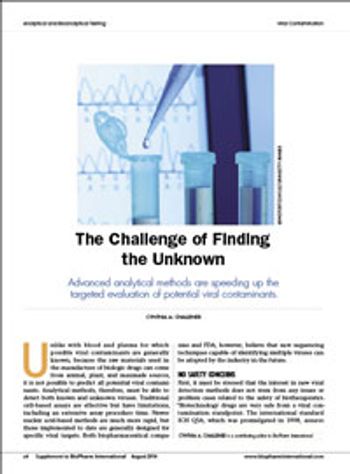
Advanced analytical methods are speeding up the targeted evaluation of potential viral contaminants.

Development and validation of two pivotal assays for in-vitro comparability testing of insulin biosimilars.
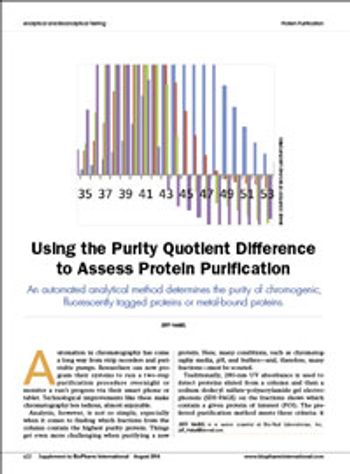
An automated analytical method determines the purity of chromogenic, fluorescently tagged proteins or metal-bound proteins.

Industry players form Allotrope Foundation to solve analytical data management problems.

Data analytic strategies can help companies capitalize on personalized medicine.
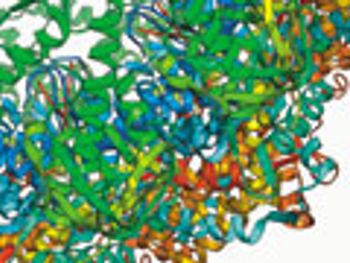
Light scattering analysis combined with more rapid size exclusion chromatography improves protein characterization.

Genia's DNA-sequencing platform will strengthen Roche's pipeline.
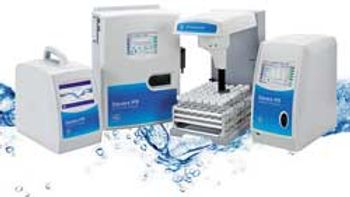
TOC Analyzer Increases Productivity
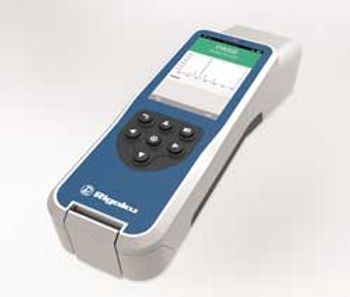
Handheld Analyzer Improves Accuracy
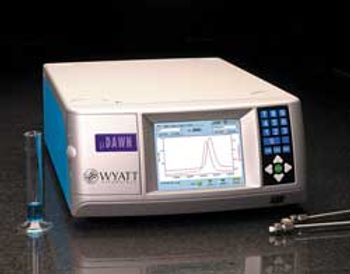
SEC-MALS Detector for UHPLC
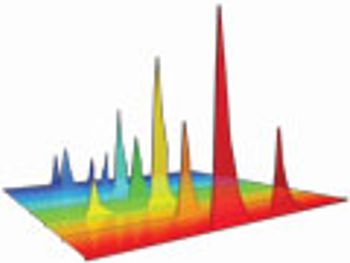
Characterization of stability performance provides a clear, statistically defendable method for determining accelerated stability.
The ?DAWN can be attached to any UHPLC system to determine molecular weights and sizes of proteins.
The Sievers M9 TOC Analyzer enhances productivity.
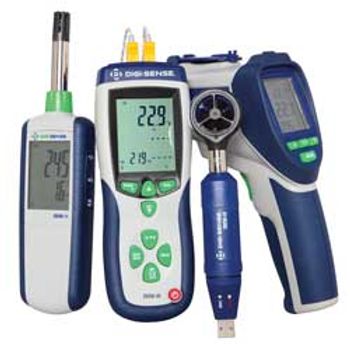
Line of Environmental Measurement Products

UPLC Separation Intergrates into Mass Spectrometers
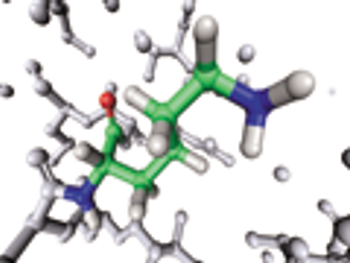
USP evaluates raw materials used in the chemical synthesis of peptides.
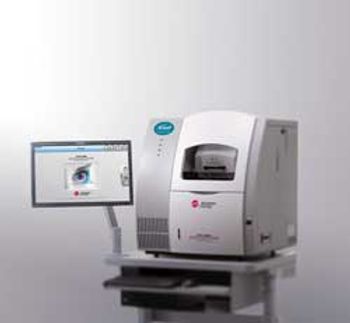
High-Performance Separation-Electrospray Ionization System
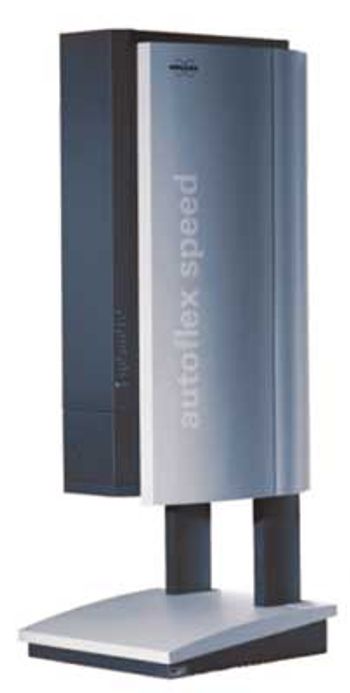
Mass Spectrometer Enhances Performance in Protein Analysis
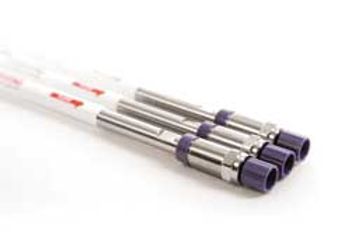
Liquid Chromatography Column Separates Glycans
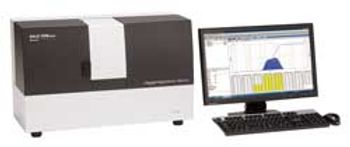
Aggregation System Improves Analysis of Sub-Visible Particles
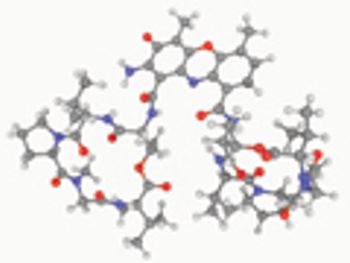
USP evaluates quality attributes for synthetic peptides.
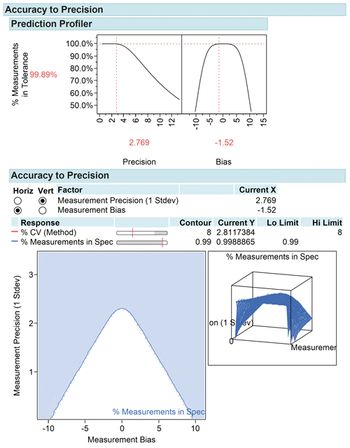
Design of experiment is a powerful development tool for method characterization and method validation.