

FDA advisory committee has recommended for approval Novartis CAR-T cell therapy CTL019 for the treatment of relapsed and refractory B-cell acute lymphoblastic leukemia in pediatric and young adult patients.
The evolution of therapeutic modalities drives the adoption of single-use technologies.
Despite a growing number of biosimilar approvals, market uptake remains a challenge.
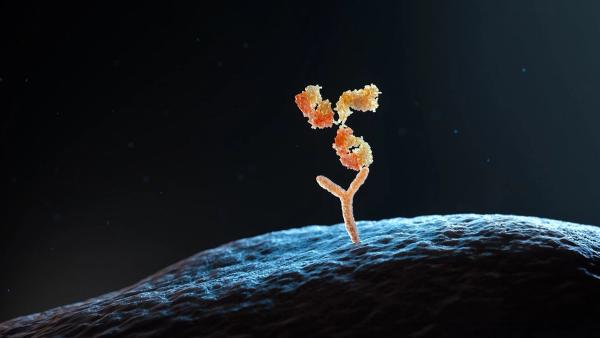
Given the criticality of fill/finish processes, it is clear that automation is the next technological step.
FDA advisory committee has recommended for approval Novartis CAR-T cell therapy CTL019 for the treatment of relapsed and refractory B-cell acute lymphoblastic leukemia in pediatric and young adult patients.
The acquisition will add recombinant-based influenza vaccine to Sanofi Pasteur’s portfolio
ABEC increases the maximum capacity of its Custom Single Run Bioreactors to 4000 L, doubling the industry standard.
The National Institutes of Health says a new study showed that hydroxychloroquine reduced the transmission of Zika in pregnant mice.
A $5.5 billion acquisition brings Capsugel’s oral dosage delivery capabilities to Lonza’s portfolio.
IDBS described benefits and best practices for laboratory electronic data systems.

This article presents a general strategy for authorship of deviation investigations, with primary focus on regulatory inspection success.

The authors summarize the current regulatory expectations regarding the number of PPQ batches required and provide potential approaches that can be used to determine and justify the number of PPQ batches.

While the measurement of the toxicity of leachables is not always a required parameter, the information collected during these studies could inform future bioprocessing runs.
Single-use bags containing toxic or hazardous materials required special handling.
CDER’s Janet Woodcock endorses modern drug manufacturing to ensure access to safe and reliable medicines.
The authors present a shift toward more integrated purification processes.
Perfusion processes can attractive for biologics drug manufacturing; however, obstacles remain.

Continuous processing of 100 g of monoclonal antibody in 24 hours has been demonstrated using lab-scale equipment.
The company has broken ground on a R&D and process development facility in Missouri.
Quattroflow’s EZ-Set Pump Chamber Replacing System for its single-use pumps allows users to change chambers quickly by hand.
Two recently-signed agreements will transfer Takeda’s measles and acellular pertussis vaccine technologies to India-based multinational company Biological E. Limited to develop low-cost combination vaccines including diphtheria, tetanus and acellular pertussis (DTaP), and measles-rubella (MR) vaccines.
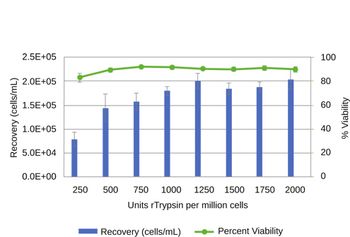
Traditional planar culture formats are being superceded by microcarriers for large-scale cell therapy manufacturing.
Fagron Sterile Services has voluntarily recalled three lots of Succinylcholine Chloride 20mg/mL 5mL syringe to the hospital/clinic level.
A loan from the European Investment Bank will give BiondVax resources for Phase III trials and a manufacturing facility for its universal flu vaccine.
The company successfully produced cell-based influenza vaccines at a commercial scale in its facility in NC.
The annual meeting of the Honeywell Users Group for the Americas will discuss industrial automation.
The company has voluntarily recalled Clindamycin Injection USP ADD-Vantage Vials to the hospital/retail level because of a lack of sterility assurance.
Sartorius Stedim Biotech combined the company’s ambr 15 bioreactor system with the Nova BioProfile FLEX2 cell culture analyzer for laboratory experiments.
FDA sent a warning letter to drug compounder DCA, Inc. dba Beacon Prescriptions for failing to ensure sanitary conditions.