Zylidac will test whether optogenetic cell lines that hit 21 g/L in small-scale CHO runs can deliver higher-yield complex biologics at GMP scale.
Under the expanded agreement, the companies are targeting amyloid removal strategies to address unmet needs in rare diseases.
Neurimmune, a clinical-stage biopharmaceutical company specializing in next-generation
The Dec. 4, 2025 announcement reflects a broader industry shift toward therapies that directly engage the mechanisms driving protein misfolding diseases (3). Interest in amyloid-depleting strategies continues to grow as companies explore novel ways to intervene earlier and more precisely in conditions that historically lacked targeted treatment options (4).
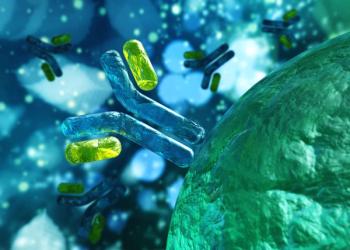
The new agreement builds on the companies’ existing work on cliramitug, an investigational antibody now in Phase III development for transthyretin amyloid cardiomyopathy (2). Extending that partnership into AL amyloidosis brings new attention to a disease in which abnormal kappa or lambda light chain proteins misfold, aggregate, and accumulate as amyloid fibrils. These deposits, particularly in the heart and kidneys, can cause progressive organ damage and often lead to premature death (1).
For
“We are very pleased to build upon our collaboration with Alexion by adding this targeted fibril depleter program in AL amyloidosis,” said Roger M. Nitsch, president and CEO, Neurimmune, in the press release (1). “By leveraging our expertise in designing therapeutics that trigger immune-mediated clearance of disease-causing protein aggregates, we have developed a novel antibody that can, potentially, efficiently deplete amyloid light chain deposits.” According to Nitsch, NI009 exhibits broad activity against amyloids of diverse lambda light chain subtypes across patients despite the high clonal heterogeneity of the disease.
For its part, Alexion’s interest in expanding the partnership follows results from a Phase III program (CARES) that is evaluating anselamimab in AL-kappa amyloidosis (1). “This announcement follows the high-level results from Alexion’s CARES Phase III clinical program which demonstrated anselamimab’s potential as a first-in-class fibril depleter to improve survival and cardiac outcomes in patients living with advanced AL-kappa amyloidosis, a debilitating progressive rare disease,” said Gianluca Pirozzi, senior vice-president, head of development, Regulatory and Safety, Alexion, in the release (1). “In expanding our collaboration with Neurimmune, we aim to apply key learnings from the CARES program to develop NI009 as a complementary fibril depleter to potentially benefit more patients living with AL amyloidosis.”
Under the
Financial terms include an undisclosed upfront payment and potential milestone payments of up to $780 million, along with tiered royalties on net sales if an approved therapy comes from the collaboration. For the industry, the size and structure of the deal signal sustained investment in mechanisms aimed at removing pathogenic protein aggregates rather than solely stabilizing or preventing their formation (1).
As research in amyloid-driven diseases continues to evolve, developments like this collaboration highlight how companies are advancing targeted biologics to address conditions with significant unmet need (5).
1. Neurimmune.
2. Neurimmune.
3. Sidoryk-Węgrzynowicz, M.; Adamiak, K.; Strużyńska, L. Targeting Protein Misfolding and Aggregation as a Therapeutic Perspective in Neurodegenerative Disorders. Int. J. Mol. Sci. 2024, 25 (22), 12448. DOI:
4. Papaliagkas, V. Anti-Amyloid Therapies for Alzheimer's Disease: Progress, Pitfalls, and the Path Ahead. Int. J. Mol. Sci. 2025, 26 (19), 9529. DOI:
5. Signorovitch, J.; Zhang, J.; Brown, D.; et al. Pathway for Development and Validation of Multi-domain Endpoints for Amyloid Light Chain (AL) Amyloidosis. Ther Innov Regul Sci. 2024, 58 (4), 600–609. DOI:
6. Morgan, G. J.; Nau, A. N.; Wong, S.; et al. An Updated AL-Base Reveals Ranked Enrichment of Immunoglobulin Light Chain Variable Genes in AL Amyloidosis. Amyloid 2025, 32 (2), 129–138. DOI: