

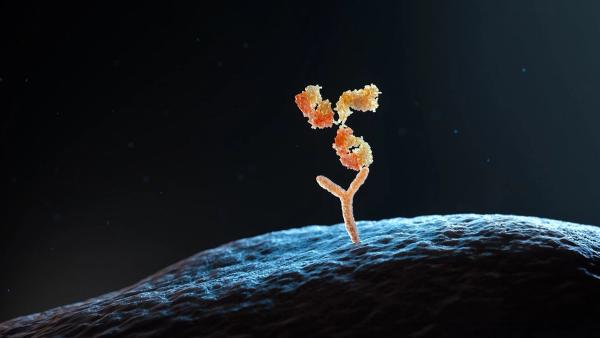
Allergan entered into a licensing agreement with AstraZeneca for MEDI2070, an anti-IL-23 monoclonal antibody in phase IIB development for the treatment of patients with moderate-to-severe Crohn’s disease.
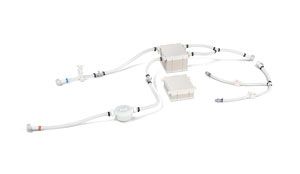
The evolution of therapeutic modalities drives the adoption of single-use technologies.
Despite a growing number of biosimilar approvals, market uptake remains a challenge.
Given the criticality of fill/finish processes, it is clear that automation is the next technological step.

Allergan entered into a licensing agreement with AstraZeneca for MEDI2070, an anti-IL-23 monoclonal antibody in phase IIB development for the treatment of patients with moderate-to-severe Crohn’s disease.
The hospital received a five-year $5 million grant from CDC to survey for communicable diseases in children and evaluate vaccine effectiveness.
ViraTherapeutics will develop its VSV-GP therapy alone and in combination with other therapies.
PaizaBio will add aseptic injectable production capacity in Hangzhou, China.
Susan Schniepp, distinguished fellow at Regulatory Compliance Associates, discusses the assessment of risk in the processing of intravenous injectable drugs.

Laser-induced fluorescence, a rapid microbiology method for real-time airborne particle and microbial monitoring, enhances sterility assurance in pharmaceutical manufacturing.

As the pressure to bring drugs to market more quickly increases, companies are faced with the challenge of selecting the most effective cold-chain storage solutions.
High-purity low-endotoxin sugars improve robustness and stability of protein formulation and improve drug product quality.
Multiparticulates are increasingly used due to their flexibility in providing controlled-release, fixed-dose combinations, ease of taste-masking, and suitability for pediatric applications

Challenging molecules and markets are driving the development of new solutions for drug delivery.
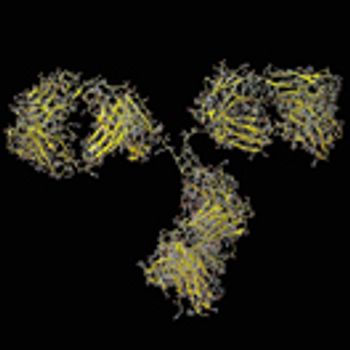
An approach to stabilize PBS-based formulations could provide a simple physiological solution for use of proteins in research, preclinical, diagnostics, and clinical studies, as well as commercial biotherapeutic products.

A new virus-retentive membrane may be used to filter chemical-defined cell culture media for risk mitigation.
Ravi Limaye gives an overview of the biosimilar industry and projects for 2020.
Onset expanded its product line for pharmaceutical cold-chain management with the launch two new products.
Wells Pharmacy Network is voluntarily recalling all of its products due to sterility concerns.
Researchers from the Wyss Institute explain a potential method for transporting and producing temperature-sensitive pharmaceuticals at a reduced cost.
R-Pharm Group, a private Russian pharmaceutical company, has opened a biopharmaceutical production plant in Yaroslavl, Russia, to produce biologics and biosimilars to treat autoimmune diseases and cancer. The facility, which has a line capacity is 2,000 L of cell culture per production cycle, is ready to be validated to US and Russia FDA and GMP requirements, the company reports.
Genentech’s biologics drug substance plant is the overall winner of the International Society for Pharmaceutical Engineering’s 2016 FOYA Awards.
Clinical biotechnology company Moderna Therapeutics will build an integrated clinical manufacturing facility for mRNA production in Norwood, Massachusetts.
GE Healthcare’s GE BioPark Cork will hold four KUBio manufacturing facilities; GE will also collaborate with NIBRT for biopharmaceutical training.
Industry concerns have generated efforts by FDA to streamline the system for designating the lead center to regulate a new combination product.
FDA sent a warning letter to an Illinois compounding pharmacy for violations of the Federal Food, Drug, and Cosmetic Act.
Mumbai, the location for its new Indian subsidiary, will also be the site for the company's Uniquity Global Conference on October 6, 2016.

Improvements to aseptic manufacturing procedures are long overdue. But how feasible is it for manufacturers to modernize fill lines of legacy products?
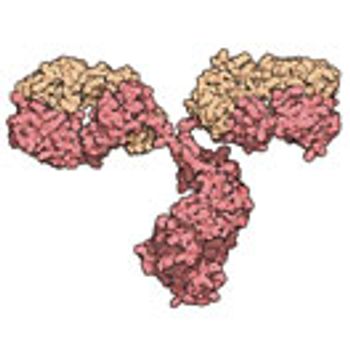
The authors outline cell-line development and process scale-up for an antibody program in which the antibody requires additional processing by a site-specific enzyme for correct functionality.