
Manufacturing
Latest News

Advertisement
Review of SUT Adoption in Biopharma Manufacturing
The evolution of therapeutic modalities drives the adoption of single-use technologies.
Moving Biosimilars Forward in a Hesitant Market
Despite a growing number of biosimilar approvals, market uptake remains a challenge.

Automating the Future of Fill/Finish
Given the criticality of fill/finish processes, it is clear that automation is the next technological step.

Advertisement

The truth is, we should have been afraid of H1N1, because the threat of a flu pandemic is real.
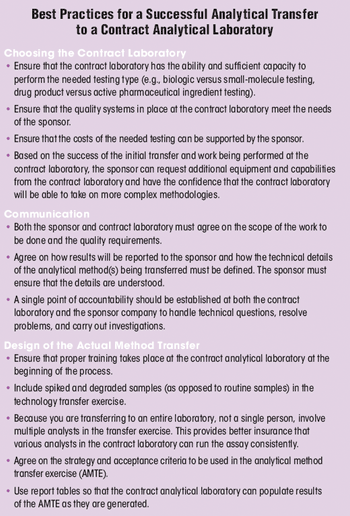
By following key strategies, companies can reduce the risk and increase the benefits of outsourcing analytical development and testing
A new report by FTC, entitled ?Follow-on Biologic Drug Competition,? examines whether the price of biologics is likely to be reduced by competition from FOBs.
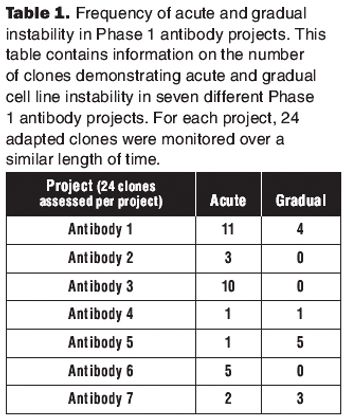
By considering stability as part of the cell line selection and cell banking paradigm, we can ensure that instability problems are not observed during clinical or commercial manufacturing.
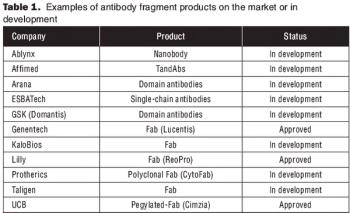
Microbial systems such as E. Coli and yeasts are most effective for producing antibody fragments.
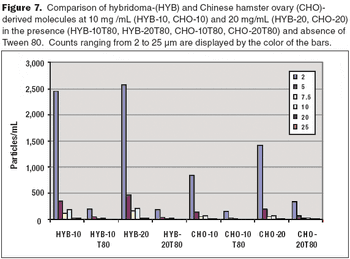
How to maintain product stability and prevent particulates.

What end users think about single-use systems.
Members of the pharmaceutical and biotech industries have formed a new industry coalition, called "Rx-360," with the goal of improving supply chain safety.
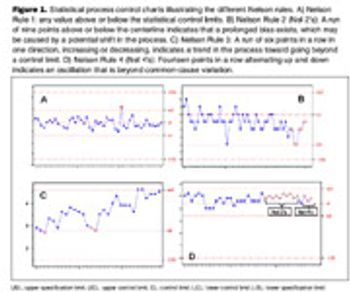
This article reviews some of the commonly used approaches for process monitoring as well as the evolution of process monitoring in the Quality by Design (QbD) paradigm.
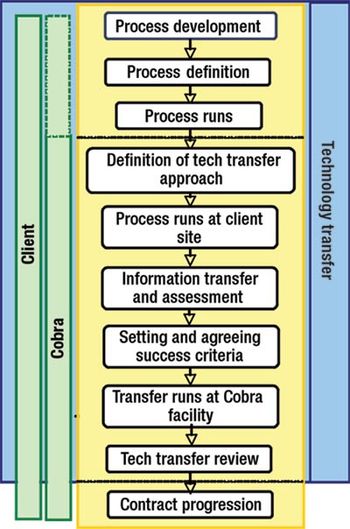
Effective tech transfer can save time and effort in later manufacturing processes.

Biodefense start-up companies have an abundance of options when seeking funding.
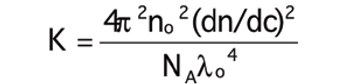
Can increase in ionic strength result in higher viscosity?
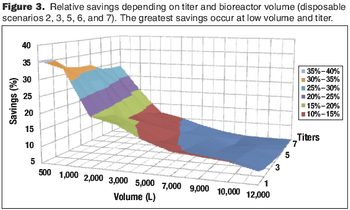
Cost modeling provides valuable insights to support strategic decision-making when implementing disposable technologies.
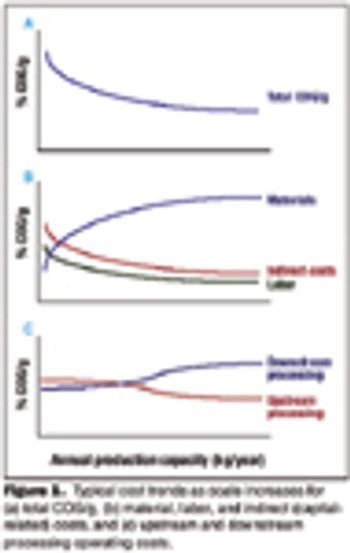
The future of therapeutic MAbs lies in the development of economically feasible downstream processes.
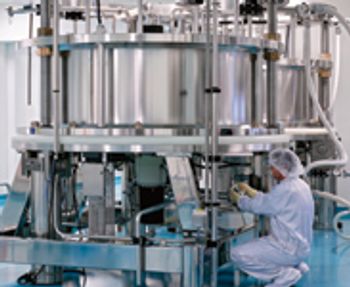
Altering the order of operations, using new resins, and increasing dynamic binding capacity can obviate the need for major facilty changes.
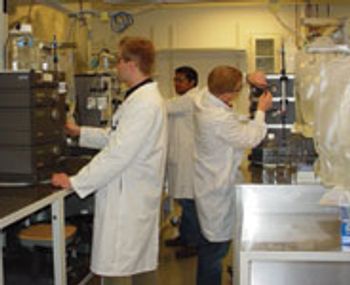
A purification scheme to maximize the efficiency of the purification process and product purity while minimizing the development time for early-phase therapeutic antibodies.
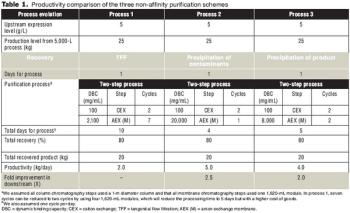
In three non-affinity purification processes based on cation exchange capture with high binding capacity, applying a host cell protein exclusion strategy enabled robust scale up and better economics.
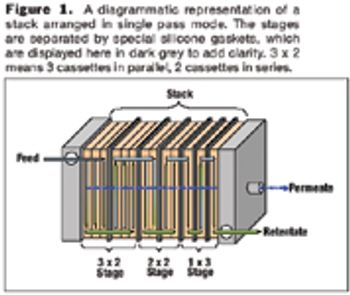
New techniques can greatly improve the MAb purification process.
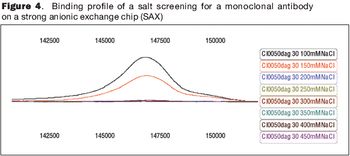
The future of therapeutic MAbs lies in the development of economically feasible downstream processes.

A close-up look at Pfizer's biotherapeutics plant in Shanbally, Ireland.
With counterfeit and adulterated medicines posing an increasing risk to patients in the United States and worldwide, the US Pharmacopeial (USP, Rockville, MD) Convention announced on February 4, new standards for two widely used drug products that have been involved in episodes of adulteration resulting in patient deaths.
FDA Launches Foreign-Made Drug Safety Pilot Program, Issues Standards for Securing Drug Supply Chain
The US Food and Drug Administration has launched a voluntary pilot program that will help promote the safety of drugs and active drug ingredients produced outside the United States.
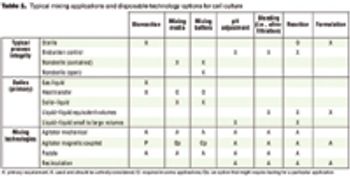
How to choose a disposable mixing system that fits your particular needs.
Advertisement
Advertisement
Trending on BioPharm International
1
Merck and Kelun’s Sac-TMT Extends Survival by Nearly 7 Months in Pretreated Endometrial Cancer
2
BMS Reports Death in Phase 1 Zolacabtagene Autoleucel MS Study
3
The BioPharm Brief: Survival Gains, a Modest ADC Win, and CAR-T in Multiple Sclerosis
4
BioNTech’s HER2 ADC Hits Phase 3 Goal, but Companies See Limited Benefit
5