



Following passage in the California Assembly, the California State Senate passes legislation to specify requirements for dispensing biosimilars.
The evolution of therapeutic modalities drives the adoption of single-use technologies.
Despite a growing number of biosimilar approvals, market uptake remains a challenge.

Given the criticality of fill/finish processes, it is clear that automation is the next technological step.
Following passage in the California Assembly, the California State Senate passes legislation to specify requirements for dispensing biosimilars.

Mike Jenkins, general manager of Catalent Biologics discusses the evolving landscape of the biologics market and hurdles faced in the development and manufacture of these innovative products.
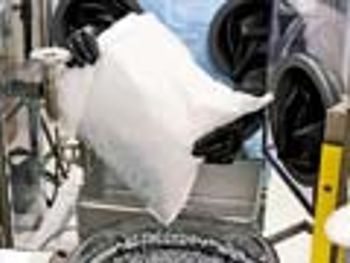
Restricted access barrier systems (RABS) maximize product control but minimize operator interaction in aseptic manufacturing.

Are strategic partnerships in clinical research a model for CMC services?
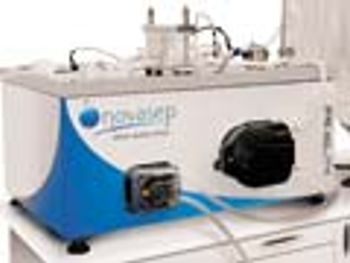
Novasep's Sius single-use tangential flow filtration skid offers a 100% single-use TFF solution.

New FDA supply chain policies aim to strengthen inspection and oversight processes.

As the complex requirements of manufacturing biologics are manifold, it is important that biomanufacturing companies adopt quality-by-design principles.
Continuous countercurrent tangential chromatography (CCTC) is a column-free process that provides a scalable, disposable, and cost-saving alternative to column chromatography.
EMD Millipore and PharmaCell have entered into a collaboration to develop optimized large-scale expansion and harvest of HepaRG cells using bioreactor technology.
FDA receives adverse event reports related to calcium gluconate infusions.
A proposed new guideline provides a global policy for limiting metal impurities qualitatively and quantitatively in drug products and ingredients.
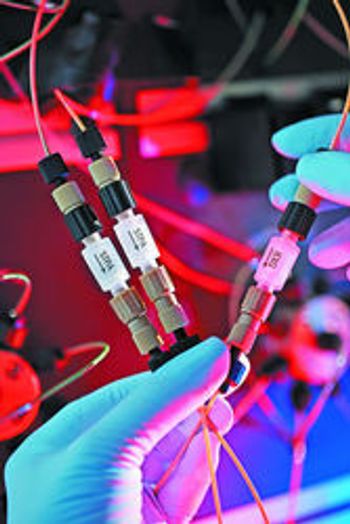
Uwe Gottschalk, vice-president of purification technologies, Sartorius Stedim Biotech, discusses specific challenges in protein purification.

Advances in techniques and single-use systems are revolutionizing vaccine manufacturing.

The author discusses HTST pasteurization and UHT sterilization.

Choosing the right disposable components for your application.
The report highlights a need for greater third party certification to ensure GMP vigilance.
Vetter has ready-to-submit documentation for this service in Common Technical Document (CTD) formats for the US, Europe and Japan.
The facility, which includes state-of-the-art formulation, analytical and synthetic laboratories as well as a customer training center, will focus on bioavailability enhancement and oral dosage formulations.
Fourth-generation biologics, with improved delivery and pharmacokinetics, will continue to drive an overall biologics industry that is already worth over $120 billion.
Seattle Genetics could potentially receive approximately $500 million in fees, milestones and royalties.
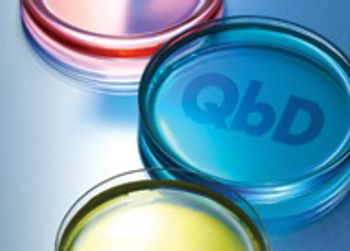
Industry experts discuss the implementation of QbD and PAT tools in biopharmaceutical manufacturing.
Increased manufacturer outsourcing requires clear policies and written agreements with CMOs.
The EMA's Committee for Medicinal Products for Human Use has recommended granting of marketing authorizations for the first two monoclonal antibody biosimilars.
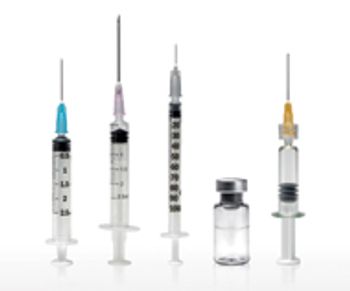
A Q&A with SCHOTT Pharmaceutical Systems and West Pharmaceutical Services

Bills to regulate drug compounding and establish a national track and trace system face political and policy differences.