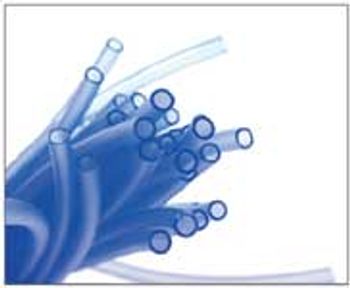
Jerold Martin considers the types of tubing available to the industry and how to make an informed selection.
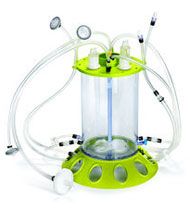
The evolution of therapeutic modalities drives the adoption of single-use technologies.
Despite a growing number of biosimilar approvals, market uptake remains a challenge.

Given the criticality of fill/finish processes, it is clear that automation is the next technological step.
Jerold Martin considers the types of tubing available to the industry and how to make an informed selection.

Reduced carryover risk and close attention to particulate control result in greater patient safety through the use of single-use systems.

BioPlan's Annual Report shows continued growth in the use of single-use technology.
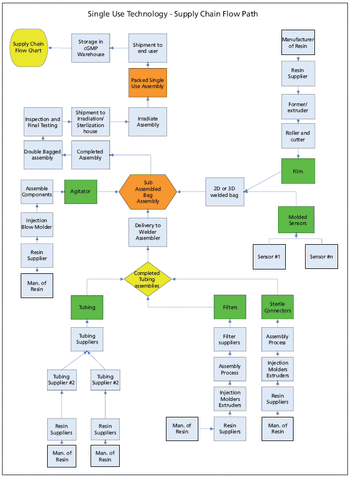
The authors suggest techniques for mitigating risk and securing the supply chain for single-use components used in biopharmaceutical manufacturing.
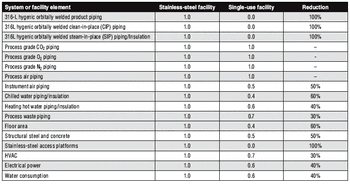
The move to single-use manufacturing has prompted a paradigm shift in facility design.

Benchmarking can be a useful tool to improve manufacturing practices.
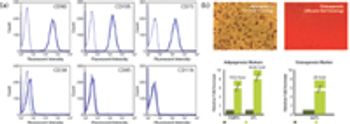
The authors describe the growth characteristics of human mesenchymal stem cells cultured in a stirred-tank bioreactor.
INTERPOL and 29 of the world's largest pharmaceutical companies have joined forces in an initiative to battle counterfeit drugs.
A Q&A with SAFC and BioReliance about sourcing and risk mitigation for raw materials.
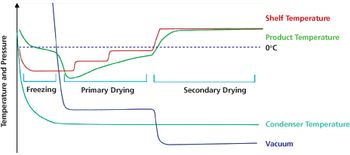
Optimized freeze-drying cycles can offer scientific and business advantages.
Aggregate formation is influenced by multiple aspects of the bioproduction process but can be mitigated by good process design and control.
BioPharm International spoke with industry experts about the effect FDA's 2011 process validation guidance has had on industry.
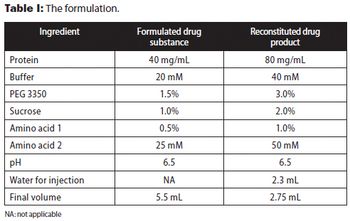
The authors present approaches used to reduce reconstitution time of a lyophilized high-concentration protein drug product.
Applying quality-by-design and process analytical technology facilitates process understanding and control of various operations in lyophilization.

Pharmaceutical Technology
Kevin Ott, executive director of the Bio-Process Systems Alliance, discusses the latest trends and issues surrounding single-use technologies and the role of his association.
Merck and Samsung Bioepis have formed an agreement to develop and commercialize multiple prespecified and undisclosed biosimilar candidates.
FDA has released a list of more than 50 guidance documents planned for 2013.
FDA has released a list of more than 50 guidance documents planned for 2013.

NIBRT's Michael Lacey provides an overview of biopharmaceutical facility design and operation.
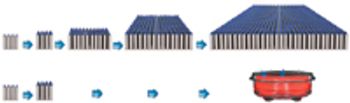
A look at vaccine history, markets, manufacturing, and overcoming the scale-up dilemma.

Improvement strategy should be linked to business strategy.
Rutgers engineers constructed a direct compaction line in collaboration with Janssen.
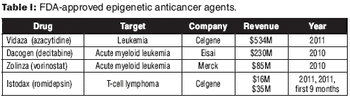
Therapeutics targeting epigenetic mechanisms of disease will change the pharmaceutical marketplace.

What the industry's future holds and what needs to be done to get there.
NIBRT's Ray O'Connor provides an overview of aseptic processing.