
Lonza further expands its micronization services with the acquisition of Swiss contract manufacturer, Micro-Macinazione, following its previous $5.5-billion acquisition of dosage form provider, Capsugel.
Lonza further expands its micronization services with the acquisition of Swiss contract manufacturer, Micro-Macinazione, following its previous $5.5-billion acquisition of dosage form provider, Capsugel.
The Washington-headquartered biotech firm plans to use the newly purchased facility to produce antibodies for its current and future pipeline.
Horizon to make publicly available its complete annotated CHO cell-line sequence in hopes of driving bioproduction cell-line innovation.
Amid debate about “fake news,” peer-review papers offer vital, objective insight.
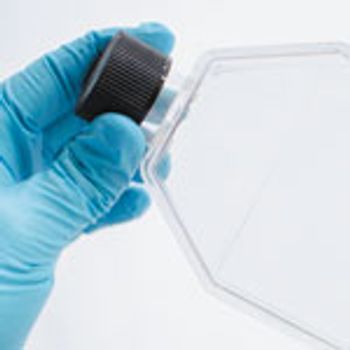
Media manufacturers are focused on reducing risk, improving quality and consistency, and managing costs.
Industry experts weigh in on best practices, challenges, and mutual recognition of cleaning validation standards.
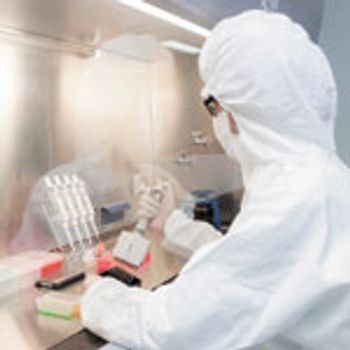
Managing and prioritizing risk is essential to ensuring raw material quality. USP is developing new guidelines to make the work easier.
Lonza introduces new modular complex that offers flexibility and individually tailored solutions to biomanufacturing challenges.
Recipharm set up a manufacturing line at its facility in Sweden using LIDD’s NanoZolid technology.
Manufacturing capacity will be increased by one third and approximately 300 new high-wage and highly-skilled jobs will be created at the Fremont site.
Industry collaboration group releases technology roadmap to address pressure on biopharmaceutical manufacturers to innovate biomanufacturing processes.
GSK plans to invest in several UK manufacturing sites and to close its Slough site in conjunction with the sale of the Horlicks brand manufactured in Slough.
The addition of 20,000 sq. ft. of manufacturing and office space increases Avecia’s Milford, Ma, oligonucleotide capacity to 3.0 mol.
Higher-flow peristaltic pumps from Watson-Marlow Fluid Technology Group are designed for upstream and downstream bioprocessing with single-use fluid path assemblies.
ABEC increases the maximum capacity of its Custom Single Run Bioreactors to 4000 L, doubling the industry standard.
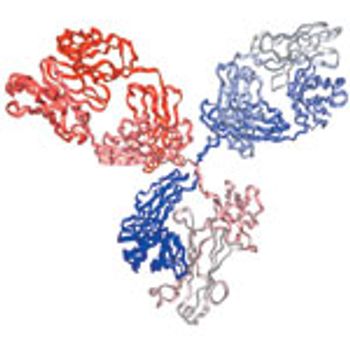
The authors present a shift toward more integrated purification processes.
Perfusion processes can attractive for biologics drug manufacturing; however, obstacles remain.

Continuous processing of 100 g of monoclonal antibody in 24 hours has been demonstrated using lab-scale equipment.
Sartorius Stedim Biotech combined the company’s ambr 15 bioreactor system with the Nova BioProfile FLEX2 cell culture analyzer for laboratory experiments.
This article summarizes the approaches, challenges, and future perspectives for the characterization of N-glycans in biopharmaceutical products.
An increase in biologics raises awareness of particle generation and its role in negative patient outcomes.
Operated by BioOutsource, Sartorius’ subsidiary, the Glasgow, UK-based service center will offer physicochemical properties and structural attributes testing and allow clients to perform structural and functional analyses in parallel.
Can bioprocessing runs be consistently replicated in an inherently variable production environment?

The unique structures of fusion proteins lead to expression, heterogeneity, and stability issues.

Improving the bioreactor growth environment increases the rigor of bioprocessing runs.