


Innovation in manufacturing technologies must occur to ensure the availability of gene and cell therapies.
Innovation in manufacturing technologies must occur to ensure the availability of gene and cell therapies.

The evolution of cell-culture technology is driving the need for improvements in modeling solutions.
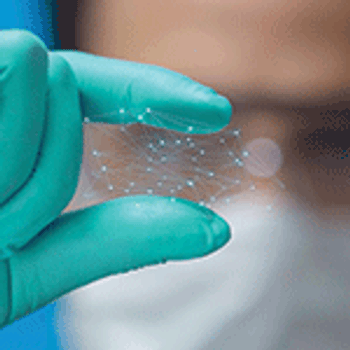
Research advances have enabled the application of nanotechnology to drug delivery. What does this technology offer in the way of enhancing therapeutic effect?

Nanobiotix has launched Curadigm, a spinoff company that will specialize in developing a nanotechnology platform for healthcare applications.
Intertek has announced the expansion of its pharmaceutical services laboratory in Melbourn, near Cambridge, UK, through the acquisition of a new 20,000 sq. ft facility.
Sterile filtration is often required for biologics but presents degradation and compatibility challenges.

As biologics continue to push boundaries, the industry needs to take a holistic approach to formulation to ensure success.
Jessica Rousset, chief operating officer, CURE Pharmaceutical, highlights some key regulatory considerations developers should keep in mind when approaching alternative dosage forms.
The technology uses a silica nanoparticle to deliver vaccines and cancer treatments.
Optimizing the patient experience and technological advances can positively impact adherence.
The drug is approved in the United States specifically for treating acquired thrombotic thrombocytopenic purpura, a rare blood-clotting disorder.
To ensure the sterility of parenteral biopharmaceutical products, it is necessary to employ certain tools, technologies, and standard operating procedures.
Formulation issues cause significant drug project delays and project failures, according to a 2018 survey conducted by Informa Pharma Intelligence, Rentschler Biopharma, and LEUKOCARE.
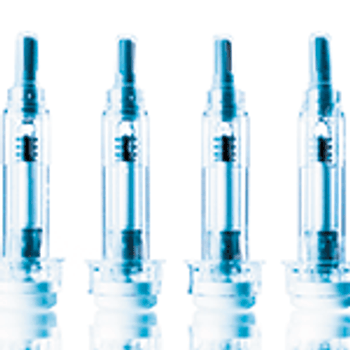
As biologic drugs grow increasingly complex, drug delivery mechanisms such as prefilled syringes are being adapted to meet the challenges.
Industry experts discuss the formulation and development issues that should be considered when addressing scale up from small-scale batches to commercial production.
The drug particle engineering and nanotechnology company offers a nanotechnology platform that can revive failed drugs in the pharma pipeline.
Becton Dickinson’s (BD) Advanced Bioprocessing business will be integrated into Thermo Fisher's Life Sciences Solutions segment.
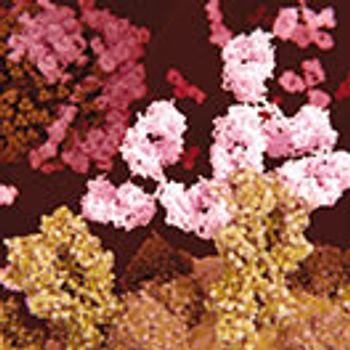
The development and optimization of an efficient conjugation process involves identifying the critical quality attributes and monitoring critical process parameters.

Biopharma seeks alternatives that meet the needs for next-gen biologic drug production.
A new oral delivery method developed by the Harvard John A. Paulson School of Engineering and Applied Sciences could change the way diabetics regulate blood sugar levels.
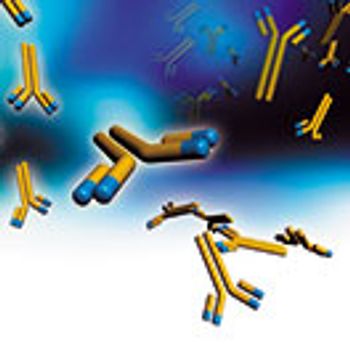
Biosimilars and biobetters have their own unique manufacturing strategies and challenges.
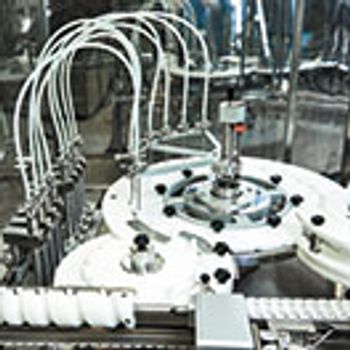
Single-use technologies have become increasingly prevalent in final fill/finish operations for biologics.
Catalent’s GPEx technology was used to develop antibody for anti-methamphetamine clinical study.
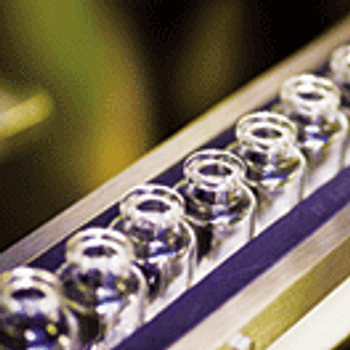
Aseptic fill/finish is crucial in biopharma manufacturing and is optimized through automated technology.
Transcriptomics plays a role in influencing the production of recombinant therapeutics in microbial and mammalian hosts.