



Evonik offers lipid nanoparticles for gene-based drug development and manufacturing.
Evonik offers lipid nanoparticles for gene-based drug development and manufacturing.

At the 2020 Bio/Pharma Virtual Congress, experts discuss the importance of characterizing excipients to ensure quality, safety, and effective performance.

The IQ Consortium marks a decade of impactful innovation of collaboration through a network of pharmaceutical companies driving change for the bio/pharmaceutical industry.

Many antibody-drug conjugate therapies are in the pipeline; only a handful have been approved. What are the bottlenecks?
The European Commission has approved Lynparza (olaparib) for use in patients with germline BRCA-mutated (gBRCAm) metastatic pancreatic cancer within the European Union.
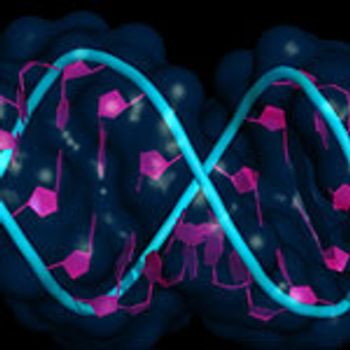
RNA is easier to manipulate than DNA but challenging to deliver to the right cells.
Data and science must guide FDA in making pressure-filled COVID-19 vaccine and therapy approval decisions.
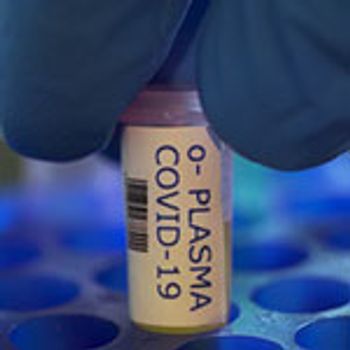
Therapies for early and late treatment and passive immunization of COVID-19 are needed and can be developed using antibodies from recovered patients.
With the acquisition, Orgenesis will combine TamirBio’s ranpirnase antiviral platform with its Bioxome technology.

As a result of the rising use and development of biological drugs, the biopharma industry is witnessing an increase in the adoption of prefilled syringes.

Contract service organizations can offer biopharma companies early insight into dangers that may hinder a drug’s later development.
The companies have entered into a global licensing and collaboration agreement to commercialize ReForm excipients used in biotherapeutic formulations.
Biologics raise unique formulation and development challenges, and industry is still on a learning curve to get the best out of these diverse and complex therapies.

This study aims to use plant-leaf extract for the green synthesis of gold nanoparticles and to evaluate their antibacterial and antioxidant activity.
The new Technology Excellence Center, located in Boston, MA, will further the company’s presence in the United States biopharma drug development landscape.
BASF launches digital solutions for the pharma industry during CPhI Worldwide 2019.
The companies will develop innovative formulations for drugs to treat rare diseases using Catalent’s oral disintegrating tablet technologies.
CHMP has recommended that Ervebo (rVSVΔG-ZEBOV-GP), a vaccine for active immunization against Ebola, be granted conditional marketing authorization in the EU.
On Tuesday, Nov. 5, 2019, Karima Yadi from Becton Dickinson & Co. will present the challenges of using, and necessity for, shorter needles and integrated systems with high viscosity drugs, such as biologics, to improve the patient experience at CPhI Worldwide.

Leveraging automation and a step-by-step approach are keys to success.
FDA has approved Novo Nordisk’s Rybelsus (semaglutide), a glucagon-like peptide receptor protein treatment in oral tablet form for type 2 diabetes.

Innovation in manufacturing technologies must occur to ensure the availability of gene and cell therapies.

The evolution of cell-culture technology is driving the need for improvements in modeling solutions.
Research advances have enabled the application of nanotechnology to drug delivery. What does this technology offer in the way of enhancing therapeutic effect?
Nanobiotix has launched Curadigm, a spinoff company that will specialize in developing a nanotechnology platform for healthcare applications.