
The maturation of single-use technologies presents commercial bioprocessing options for small-volume drug products.
The authors evaluated the potential of direct filtration for multiple biopharmaceutical candidates. This article is Part 2 of the study.
The authors present a methodology to assess the contribution of individual filters to overall capacity of the direct filtration train, and elucidate how capacity is affected by characteristics of the cell culture broth and process parameters.
SUS aids biopharma manufacturers to overcome the rigidity of more traditional stainless-steel technologies.
The maturation of single-use technologies presents commercial bioprocessing options for small-volume drug products.
This article explores the use of single-use mixing technology in a detergent-based virus inactivation step during a monoclonal antibody production process.
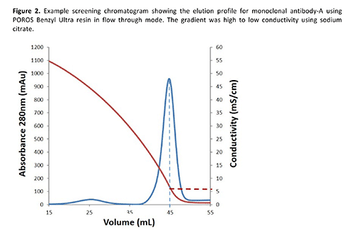
Hydrophobic interaction chromatography (HIC) in flow-through mode offers a more efficient and cost-effective polishing/purification process to remove monoclonal antibody aggregates while maintaining purity at ≥99% than a mixed-mode bind/elute procedure.
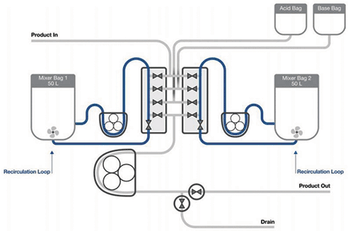
Testing demonstrates an automated semi-continuous process strategy for viral inactivation with steps that mimic batch processing.

The provider of plant-based ingredients will present recently launched multi-compendial materials for upstream and downstream biopharmaceutical applications.
Bio-Rad introduces CHT Ceramic Hydroxyapatite XT media and Nuvia HP-Q resin resin for process protein purification.
New products were developed as next-generation process intensification technologies, MilliporeSigma reports.
Sharing of bioprocessing know-how can help resolve pressing industry problems.

Automation can improve many aspects of bioprocessing, but several hurdles must be overcome before the full range of benefits can be realized.
More complex biologic samples must be evaluated to ever higher levels of specificity and sensitivity.

Biopharma companies can balance competing demands from patients, investors, and regulators by keeping a focus on science.
Increasing demand for biologics is driving the need for innovation in bioprocessing.
The new resin used a combination of “jetting” technology and a high-performance Protein A ligand.
The company’s next-generation ultraperformance liquid chromatography platform is designed to meet the evolving laboratory requirements for chromatographic performance.
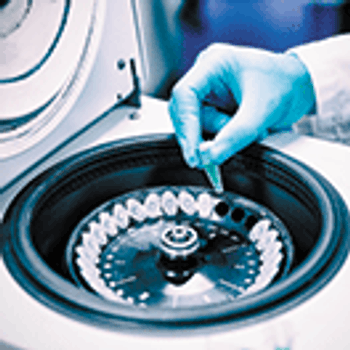
Higher cell titers and cell densities have posed a challenge to cell harvesting, a crucial step in biologics manufacturing.
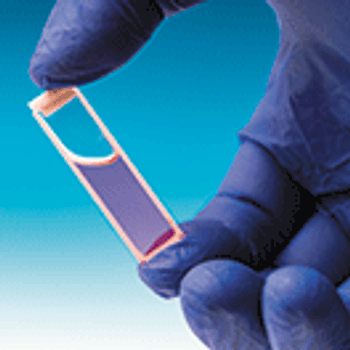
The National Institute of Standards and Technology (NIST) has developed Standard Reference Material (SRM) 2082 as a pathlength standard for UV absorbance measurements for use with the new generation of microvolume spectrophotometers and short-pathlength cuvettes.

More published data and initial regulatory approvals are needed to drive adoption of continuous bio-manufacturing.
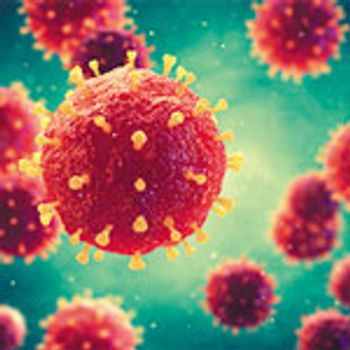
Process understanding and careful assessment of risks are essential in developing viral clearance programs.

Early adopters are benefiting from lower costs and increased productivity.

Spectroscopic tools present an alternative method for reliable at-line process monitoring and control.
Unlike current approaches where bioconjugation is typically done following the manufacture of the monoclonal antibody and the cytotoxic drug, the new method begins with the antibody supernatants and eliminates the need for extensive chromatographic purification.
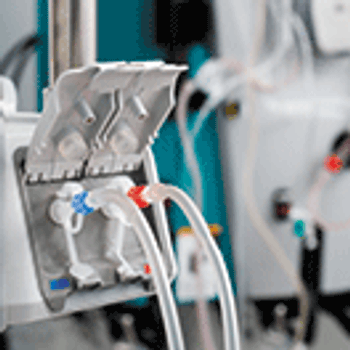
Single-use technologies are starting to gain ground as capacity needs change, but industrywide adoption remains low.
The new Acquity Arc Bio System by Waters is specifically engineered to enable efficient transfer and improvement of bioseparation analytical methods.
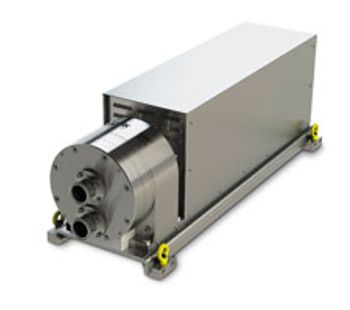
The Wilden Quattroflow QF10k size pump from PSG, a Dover company, has been designed to fill the gap between the existing QF4400/5050 and QF20k pump sizes.
Advances in TFF and single-use systems help advance UF/DF on the continuous processing path.