






Norgine has gained regional rights to Vir Biotechnology’s hepatitis delta drug pairing, strengthening late-stage antiviral development across Europe, Australia, and New Zealand.
Norgine has gained regional rights to Vir Biotechnology’s hepatitis delta drug pairing, strengthening late-stage antiviral development across Europe, Australia, and New Zealand.

In Episode 30, John Androsavich, Benjamin Fryer, and John Wilkerson go behind the headlines.

European regulators authorize AstraZeneca’s anifrolumab pen for lupus, reinforcing industry momentum toward self-injected biologics and decentralized immunology care.

Surface modification with targeting ligands increases the advantages offered by nanoscale delivery.

Fondazione and Orphan Therapeutics outline a US access model for Waskyra, highlighting new approaches to manufacturing, distribution, and sustainability.
FDA leadership initiated rapid drug review programs, enhanced transparency by publishing decision letters in real time, and strategically integrated AI into agency operations.

Chris Spivey explains how billions wasted on flawed near-infrared glucose sensing could have been avoided.

Targeted integration enables predictable clonal cell lines, enhancing transgene control and accelerating biopharma cell line development.

Charles River has launched a second cohort to speed CGT innovation with technical guidance and scalable manufacturing support.

The third installment of the monthly BioPharma By the Numbers infographic series details batch failure trends in biopharma.

In Episode 29, John Androsavich, Benjamin Fryer and John Wilkerson go behind the top headlines from 2025.

The new GSK–Oxford BioTherapeutics partnership capitalizes on proteomics-driven oncology target discovery for advancing antibody therapeutics development.

FDA’s approval of the first Wiskott-Aldrich gene therapy signals a shift in manufacturing and regulatory standards for rare-disease CGTs.

FDA’s clearance of a chemically enhanced stem cell therapy for severe aplastic anemia drives forward cell therapy development and manufacturing innovation.

The articles in this issue capture a sector balancing innovation with practicality as it prepares for the next generation of medicines.
Priority review, RMAT, and breakthrough status were key regulatory actions intensely accelerating advanced next-gen therapy development in 2025.

Manufacturing biologics is a complex task. Mitigating risk early in the design of manufacturing facilities and the qualification of equipment minimizes future complications.


FDA’s new-indication approval for lisocabtagene maraleucel in marginal zone lymphoma boosts engineered T-cell treatment for relapsed lymphoma.

Under the expanded agreement, the companies are targeting amyloid removal strategies to address unmet needs in rare diseases.

siRNA-based cell reprogramming shows potential to improve metabolic health with durable effects, signaling a notable development for future therapeutic strategies.
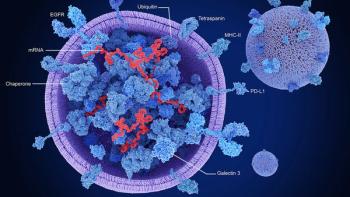
Engineered exosomes could reshape therapeutic development by redefining delivery, manufacturing models, and regulatory standards.

Flexible manufacturing processes and facilities support the pipeline of allogeneic cell therapies.

FDA outlines reduced primate testing for monoclonal antibodies, signaling a shift toward modern evaluation tools that may influence drug development practices.

The new collaboration will aim to streamline formulation-to-manufacturing workflows and de-risk development.
FDA’s internal findings raise new concerns over pediatric vaccine safety and signal potential regulatory shifts affecting future COVID-19 vaccine development.

How is the biopharma industry solving manufacturing and scale-up bottlenecks for cell and gene therapies? Read on to find out.

The discussion in this Drug Digest video focuses on optimizing biopharmaceutical manufacturing and supply chain efficiency through the mastering of AI capabilities, data integration, and critical validation challenges.
ADC oncology platforms, FDA CNPV rapid review, and significant investment into US biologics manufacturing capacity led this week’s news.

The transformative impact of complex biopharmaceuticals hinges on integrating advanced delivery systems, often accelerated by AI modeling, with robust manufacturing practices and regulatory alignment to ensure stability, safety, and effective patient access.