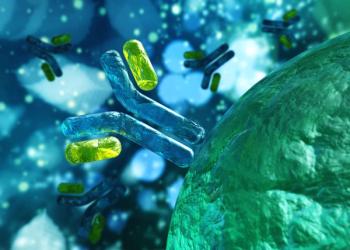
METiS TechBio will apply its AI-driven AiLNP ionizable lipid platform to discover LNPs designed to deliver therapeutics beyond the liver, under a collaboration with Eli Lilly worth up to $1.1 billion in milestones.
Surface modification with targeting ligands increases the advantages offered by nanoscale delivery.
Most biologics today are administered via injection to avoid degradation in the gut and many internal barriers that prevent them from reaching the desired cells/tissues. Targeted delivery can be challenging, though, even for biologics designed to interact with specific receptors, as in many cases those receptors are present on numerous types of cells. As is the case for small-molecule APIs and nucleic acid actives, formulating biologic drug substances in nanoparticle delivery systems can protect them from degradation and facilitate their passage through biological barriers. Nanoparticle delivery can also support increased targeting and enable sustained/controlled release when exposed to certain environments/conditions within the body, all of which can result in improved efficacy and safety (1).
Indications for which nanoscale biologic delivery systems are being most widely investigated include various cancers, genetic disorders, and infectious diseases (1–3). Getting these drugs to specific targets can be a challenge, however (1–4). For instance, lipid nanoparticles prepared with conventional lipid mixtures tend to accumulate in the liver, leading to the need for higher dosage levels and potentially undesired side effects. Modification of the surfaces of nanoparticles with ligands that bind highly selectively to receptors found only on target cells/tissue is, therefore, receiving increasing attention.
Nanomaterials can comprise zero to three dimensions and be carbon-based, inorganic, organic (including biobased), or composites of these three types (2). They can also be single- or multi-phased and exist in dispersed or aggregate formats. Their size imparts unique electronic optical, and mechanical properties that have attracted interest in many different nanomedicine applications such as drug delivery, theranostics, imaging and diagnostics, tissue engineering and nano-implants, drug screening, and more.
For targeted delivery of biologic drug substances, three-dimensional nanomaterials have been most widely explored. While lipidic and polymeric nanoparticles have garnered the greatest attention, silica nanoparticles also show promise (3). Carbon nanotubes have also been investigated for the delivery of small-molecule and biologic actives, including nucleic acids (DNA, micro-RNA, small-interfering RNA). Core-shell nanoparticles allow encapsulation of many types of actives in a central core that is surrounded by a protective shell. Biomimetic nanoparticles include nanoparticles of various types coated with cellular membranes or other biological materials that facilitate the entry into specific cells types and passing through biological barriers, particularly the blood-brain barrier. They also include exosomes, which play a role in intercellular communication and are immune-silent, making them attractive as drug delivery vehicles.
The use of nanobioconjugates for targeted delivery has been investigated for several years. These materials consist of nanoscale drug delivery vehicles to which bioactive targeting ligands have been conjugated (4). In most cases, the ligands are designed to target specific cancer cells/tissues and/or the tumor microenvironment. In some cases, the nanomaterials also contain some type of stimuli-responsive component (making them “smart”) that supports additional targeting when the delivery system is exposed to certain conditions within the body, such as a specific pH level, temperature, or enzyme present only in the targeted tissue.
To be effective, nanobioconjugates must be designed with careful consideration not only of the targeting ligand, but the linker used to conjugate the ligand to the nanoparticle (or other nanostructure) (4). The linker must be sufficiently stable to ensure the ligand remains attached to the nanoparticle while traveling in the bloodstream, but allow for release of the drug carrier once the target cell/tissue has been reached. In addition, the bioconjugation process must proceed without impacting the portion of the ligand that enables it to selectively bind to the target cells/tissue. Lipidic and polymeric nanoparticles may contain a variety of active functional moieties on their surfaces to which ligands can be attached, including hydroxyl, acid/ester, and amine/amide groups.
The optimal ligand for surface modification of nanoscale materials to achieve targeted drug delivery varies depending on the nanoscale structure, drug substance, and targeted cells/tissues. Monoclonal antibodies (mAbs), peptides, aptamers, and certain biologically relevant carbohydrates have all been investigated (5,6). Each targets different receptors and supports different mechanisms for entry of the drug substance into the cell/tissue and thus has certain advantages and disadvantages.
Folic acid has been used as the targeting ligand to selectively delivery nanoscale cancer drugs because the folate receptor is expressed at high levels in many cancer cells but generally at low levels in normal tissues. Carbohydrates investigated as ligands for targeted delivery of nanoscale systems include galactose, lactate, and hyaluronic acid, which are recognized by various receptors including ASGPR and CD44. Peptides, most notably cell-penetrating and tumor-targeting peptides, have been explored as ligands for increasing the targeted delivery of nanoscale drugs. A-domain proteins, AdNectins, and affibodies also hold promise as targeting ligands.
Aptamers (short single-stranded DNA or RNA oligonucleotides) are attractive as targeting ligands because they are small, relatively easy to synthesize in a robust, consistent manner, their bioconjugation is fairly simple, and they often provide similar specificity and affinity to that observed for mAbs. Even so, to date, mAbs (chimeric, humanized, and fully humanized derivatives) are often the ligand of choice for modification of nanocarriers to achieve targeted delivery given the large knowledge base that exists today. There is, however, growing interest in the use antibody fragments, including fragment antigen binding (Fab) fragments, minibodies, diabodies, and nanobodies, as a means for reducing the cost and complexity associated with the use of mAbs for the surface modification of nanoscale delivery systems (5,6).
Developers of effective nanoscale delivery systems that selectively target the desired cells/tissues, are sufficiently stable, and support increased uptake of the active drug substance face several challenges when designing these delivery systems. The right nanocarrier must be chosen that allows for high drug loading and protection of the drug substance and be of an appropriate size (sufficiently small but not so small they are readily excreted) (6). The composition of the nanomaterial must also allow for surface modification with the appropriate targeting ligand at the right density in manner that does not compromise the key attributes of the nanomaterial with respect to immunogenicity, ability to cross biologic barriers, etc.
Choosing the optimum ligand and linker (if needed) can also be difficult, and one must take into consideration not only the selective binding properties of the ligand, but also the cost and time for its production and the ease at which it can be bioconjugated. For instance, the length of the linker can influence several important properties of nanomaterials, such as cellular uptake, biodistribution, metabolism, and long-term toxicity (5).
Other challenges that developers of ligand-targeted nanoscale drug delivery systems face include establishing robust, repeatable, scalable production processes and gaining regulatory approval, as such novel systems require extensive data supporting their safety with respect to their immunogenicity, clearance processes, and other properties (7).
Most published examples of targeted nanoscale delivery for biologics have been designed for delivery of nucleic acids, but delivery of proteins has been reported (7). Nanoscale delivery systems for both DNA/RNA and protein therapeutics are of interest because they protect these fragile molecules from degradation in the bloodstream and facilitate cellular uptake.
For gene therapy applications, lipidic, polymeric, and hybrid nanoparticles have been attracting attention as nonviral alternatives to currently used viral vectors for delivery off genetic material, as viral delivery, particularly at higher dose levels and when repeated doses are required, has been associated with safety and efficacy issues. Ligand modification of nanoparticle surfaced allows for more targeted delivery of DNA and RNA to the desired cells (4,7,8).
For the treatment of osteosarcoma, a common bone cancer, ligand-modified nanoparticles targeting folate receptors, vascular endothelial growth factor receptors (VEGFRs), and integrins have been investigated for the delivery of a wide range of anticancer agents, including both small molecules and biologics (8). Strategies have included active targeting of angiogenesis and cell proliferation within the tumors, as well as glycan-binding proteins, certain tumor-specific peptides, mitochondria, cancer stem cells, and more.
Other examples include targeted and sustained delivery of a protein drug substance using a three-dimensional hydrogel modified with a patterned DNA aptamer; targeted and sustained release of a hairpin RNA gene therapy using an arginine-functionalized poly(L-lysine) dendron-based supramolecular hydrogel conjugated to methoxypolyethylene glycol; and targeted delivery of an siRNA active in a poly(ethylene glycol) and poly(l-lysine) micelle modified with an antibody fragment (Fab') (4).
While most of the research on ligand-modification of nanoscale materials to achieve targeted delivery of drug substances has focused on small-molecule anticancer therapies. The approaches under investigation do, however, apply to nanoscale delivery of biologic drug substances as well. They not only offer the potential to provide more effective and targeted delivery of protein, nucleic acid, and other biologic therapeutics administered through conventional parenteral routes, but may provide a pathway to the development of oral biologics.
Cynthia A. Challener, PhD, is a contributing editor to BioPharm International®.