





With the license, Sanofi gains Kali Therapeutics’ tri-specific T-cell engager pipeline candidate, KT501, which targets B cell-mediated autoimmune diseases.
With the license, Sanofi gains Kali Therapeutics’ tri-specific T-cell engager pipeline candidate, KT501, which targets B cell-mediated autoimmune diseases.

The hub will integrate the company’s manufacturing and R&D in China to streamline CAR-T development while addressing scalability and accelerating regional access to advanced therapies.

With Sanofi as one of its backers, Earendil Labs is set to advance its AI-native biologics platform to scale antibody discovery, accelerate IND filings, and expand partnerships in autoimmune and oncology research.
The episode explores how regulatory signals across drug approvals, trade policy, AI governance, and drug pricing shape business strategy and investor decisions before formal rules are ever finalized.

Today’s podcast dives into Series A funding for T‑cell engagers and the advancement of multi-agonist metabolic therapies, which highlight innovation and platform-driven strategies in current biopharma pipelines.

Phase III data show retatrutide reduces HbA1c and body weight, supporting triple-agonist strategies for metabolic disease treatment.

The launch of Excalipoint Therapeutics brings to the table multi-specific T-cell engager platforms that aim to overcome tumor microenvironment barriers and expand efficacy into solid tumors and immunology indications.
Data from a Phase III trial showed durable survival benefit with PD-L1 blockade plus chemotherapy, reinforcing the use of immunotherapy in curative-intent GI cancer settings.

The current Middle East conflict is disrupting Gulf air and sea hubs, forcing bio/pharma firms to reroute cold-chain drug shipments and raising risks of oncology medicine shortages.
Today’s podcast explores how late-stage clinical evidence supports extending established biologics into adjacent inflammatory diseases, reinforcing platform-based development strategies.

Regulatory acceptance of tildrakizumab's sBLA signals a potential expansion of IL-23 inhibition into joint disease, an area in which treatment gaps persist for a substantial share of psoriatic disease patients.

The companies’ new immunology-driven mAb, which targets an immune-evasion pathway in myeloproliferative neoplasms, is advancing toward first-in-human trials.

Early-phase clinical trials are becoming more complex and data-driven, requiring emerging biotechs to incorporate biomarker strategies, exposure–response analyses, and regulatory planning into Phase I study design while carefully considering CRO selection, operational continuity, and trial geography.
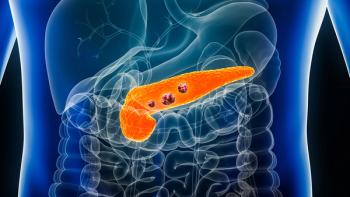
The company is targeting the $3 billion pancreatic cancer market with its lead proenzyme therapy candidate, PRP, which is supported by strong preclinical tumor inhibition data and for which a PK assay will be developed and validated.

Results from a head-to-head study highlight cytokine-targeting differences between UCB’s bimekizumab and risankizumab, strengthening evidence for dual IL-17 blockade in psoriatic arthritis therapy

The new clinical data show biomarker reductions and new motor milestones with salanersen, which supports once-yearly antisense therapy development in spinal muscular atrophy.

Data from the MajesTEC-9 Phase III trial shows teclistamab as monotherapy improves survival, indicating a shift in multiple myeloma treatment.

The launch of a new mRNA biotech spinout signals a structural shift in how next-generation RNA therapeutics are developed and commercialized.
Today’s podcast covers Phase II trispecific antibody data and evolving ADC strategies, which highlight durable, patient-centric approaches reshaping next-generation oncology therapy pipelines.

In a Phase II trial, Pfizer’s tilrekimig demonstrated well-tolerated, dose-dependent improvements in chronic Th2 inflammation, supporting further clinical development in atopic dermatitis.

Phase III trial results show that trastuzumab deruxtecan reduced invasive recurrence or death 53% in patients with residual HER2-positive disease after neoadjuvant therapy.

China’s approval of Sciwind’s ecnoglutide for weight management, alongside the company’s Pfizer commercialization deal, intensifies competition in the global GLP-1 market.
In today’s podcast, integrated biomarker modeling and dual-pathway immune checkpoint modulation highlight evolving strategies to improve translational efficiency and durability in oncology trials.

Updated analysis from the COMPASSION-03 Phase II trial links response depth to survival, which supports PD-1/CTLA-4 bispecific checkpoint strategies in heavily pretreated cervical cancer.

Advanced data strategies and specialist biometrics teams can deliver faster, cleaner insights from Phase I trials and power smarter early drug decisions, says Ben Edwards of Avance Clinical.
INOVIO and Akeso’s combination of DNA tumor antigen priming and dual checkpoint inhibition exemplifies adaptive trial strategies for challenging glioblastoma therapy.

Large language models and natural language processing are reshaping drug safety surveillance by enabling automated adverse event detection, large-scale analysis of regulatory labeling data, and faster, citation-grounded safety assessments while maintaining human oversight and regulatory compliance.

Under the partnership, INOVIO and Akeso will evaluate DNA-encoded tumor antigen priming plus PD-1/CTLA-4 bispecific blockade in an adaptive Phase II trial for glioblastoma.

A newly engineered CHO host from Sartorius, developed through proteomic profiling and targeted genome editing, demonstrates up to three-fold productivity increases and accelerated nine-week cell line development timelines, supporting more stable, high-titer biomanufacturing for biologics and biosimilars.

Merck & Co. reported Phase III data showing that Keytruda plus Welireg significantly improved disease-free survival in high-risk clear cell renal cell carcinoma following surgery.