

“Sjögren’s disease is complex and heterogeneous. People may experience dry eyes and mouth, fatigue and joint pain, as well as systemic manifestations affecting organs such as the lungs, kidneys or nervous system.” Ghaith Noaiseh, MD, associate professor of medicine, University of Kansas Medical Center
News|Articles|November 11, 2026
Amgen’s Dazodalibep Reduces Systemic Disease Activity in Phase 3 Sjögren’s Trial
Author(s)Emily Schoenthaler
Full phase 3 OASIZ-301 results show both dosing regimens of Amgen’s CD40L antagonist fusion protein dazodalibep reduced systemic disease activity in Sjögren’s disease at Week 48. The every-four-weeks dose also improved patient-reported dryness.
Advertisement
Amgen’s dazodalibep, a CD40 ligand (CD40L) antagonist fusion protein, significantly reduced systemic disease activity compared with placebo at Week 48 in the Phase 3 OASIZ-301 trial in patients with Sjögren’s disease, with both dosing regimens meeting the primary endpoint.¹ The full results, which build on
“These phase 3 results support dazodalibep’s potential as a first-in-class treatment for Sjögren’s disease and strengthen the clinical rationale for targeting CD40L-mediated immune signaling in these patients,” said Jay Bradner, MD, executive vice president of research and development, artificial intelligence and data at Amgen.¹
How does dazodalibep work?
Dazodalibep is designed to target immune activation by disrupting interactions between T cells, glandular epithelial cells, B cells, and other antigen-presenting cells.¹ The CD40/CD40L pathway has long been an immunology target, but early trials of CD40L-targeting monoclonal antibodies were halted because of platelet-related thromboembolic complications.³ Dazodalibep, previously known as VIB4920, takes a different approach: it is a bivalent, CD40L-specific Tn3 fusion protein that did not cause platelet aggregation in laboratory studies.³ In OASIZ-301, there was no imbalance in thromboembolic events across treatment groups.¹
Because dazodalibep acts on several cell types involved in the disease, it reflects a broader interest in therapies that hit multiple immune pathways at once. In a BioPharm International®
What did OASIZ-301 show?
The randomized, double-blind, placebo-controlled trial enrolled 648 patients with moderate-to-severe systemic disease activity, defined as a score of at least 5 on the EULAR Sjögren’s Syndrome Disease Activity Index (ESSDAI).¹ Patients had a mean baseline ESSDAI score of 10.2.¹
At Week 48, dazodalibep 1,500 mg every four weeks reduced ESSDAI by 5.6 points from baseline compared with 3.8 points for placebo, a difference of 1.8 points (adjusted P<.001).¹ The 3,000 mg every 12 weeks regimen reduced ESSDAI by 5.2 points, a difference of 1.4 points from placebo (adjusted P=.010).¹ A treatment effect was observed as early as Week 4 and was sustained through Week 48.¹
The every-four-weeks regimen also significantly improved patient-reported dryness compared with placebo, with placebo-adjusted differences of −1.17 points on the dryness domain of the EULAR Sjögren’s Syndrome Patient Reported Index (ESSPRI) and −0.93 points on the dryness domain of the Diary for Assessing Sjögren’s Patient Reported Index (adjusted P<.001 for both).¹ Patients receiving dazodalibep also showed greater increases in stimulated salivary flow, an objective measure of oral dryness.¹
The results are consistent with a phase 2 trial published in Nature Medicine in 2024, in which dazodalibep reduced ESSDAI by 6.3 points compared with 4.1 points for placebo at Day 169 in 74 patients with moderate-to-severe systemic disease.²
The most common adverse events reported more often with dazodalibep than placebo were nasopharyngitis, urinary tract infection, hypertension, and infusion-related reactions, which were generally mild to moderate.¹ Serious adverse events and discontinuations because of adverse events were balanced across groups, and malignancy rates were low and comparable.¹
Why does Sjögren’s disease need new treatments?
Sjögren’s disease is the second most common autoimmune rheumatic disease, but there are no FDA-approved therapies for it.¹ An estimated 0.25% of the global population is affected, and about half of cases may go undiagnosed.⁴ Management has relied largely on symptomatic relief and off-label immunomodulators.⁴
“Sjögren’s disease is complex and heterogeneous,” said Ghaith Noaiseh, MD, associate professor of medicine at the University of Kansas Medical Center and lead investigator of the study.¹
Competition is building. In January 2026, FDA granted Breakthrough Therapy designation to Novartis’ ianalumab, a monoclonal antibody targeting the BAFF receptor, based on its Phase 3 NEPTUNUS program.⁴
What happens next?
Amgen is also conducting OASIZ-303, a phase 3 study in patients with high symptom burden and low systemic disease activity, and OASIZ-304, an open-label, long-term extension study.¹ “We look forward to building on these findings as we advance a broader Phase 3 program,” Bradner said.¹
References
Amgen announces positive Phase 3 results for dazodalibep in Sjögren’s disease . News release. Amgen; November 11, 2026. Accessed November 11, 2026.- St. Clair EW, Baer AN, Ng WF, et al.
CD40 ligand antagonist dazodalibep in Sjögren’s disease: a randomized, double-blinded, placebo-controlled, phase 2 trial . Nat Med. 2024;30(6):1583-1592. doi:10.1038/s41591-024-03009-3 - Onuora S.
Engineered fusion protein disrupts CD40 signalling . Nat Rev Rheumatol. 2019;15(7):385. doi:10.1038/s41584-019-0252-4 - Safi MQ, Hussain MD, Chaity NJ.
A new horizon for Sjögren’s disease: the FDA breakthrough designation of ianalumab . Ann Med Surg (Lond). 2026;88(5):3018-3019. doi:10.1097/MS9.0000000000004881
Advertisement
Related to this article

Larimar Therapeutics has completed its rolling BLA for nomlabofusp, a frataxin replacement fusion protein, seeking accelerated approval based on skin frataxin as a novel surrogate endpoint. The company expects a potential US approval in mid-2027.
FDA granted RMAT and Fast Track designations to AbelZeta’s anti-CD20/CD19 CAR-T therapy prizlon-cel for relapsed or refractory large B-cell lymphoma. The company plans US studies after prior CAR-T therapy and in the second-line setting.
More monoclonal antibodies are moving from IV infusion to subcutaneous injection, but dose, volume, and viscosity still limit the switch. This FAQ covers the formulation science, the enabling technologies, what regulators require, and what remains unresolved.
A single subcutaneous dose of Janux’s CD19-targeted T-cell engager JANX011 depleted more than 90% of B cells in three of five healthy volunteers at the top dose, with only Grade 1 cytokine release syndrome. Patient studies in immune thrombocytopenia and rheumatoid arthritis are planned for 2027.

In a phase 1 study, Johnson & Johnson’s combination of pasritamig and JNJ-9401, two bispecific antibodies targeting KLK2 and PSMA, cut PSA by at least 50% in 73% of patients with metastatic castration-resistant prostate cancer. The regimen is now in phase 3.
Oxford spinout Alethio Therapeutics closed a $90 million Series A to take ATX-011, a monoclonal antibody against the G6B receptor, into Phase 1/2a studies in essential thrombocythemia. It is also developing a G6B-targeted ADC for myelofibrosis.
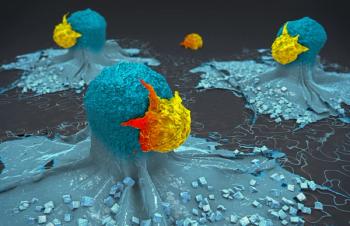
T-Therapeutics closed an oversubscribed $133 million Series B backed by Eli Lilly, JJDC, and others. The funding will take its first T-cell receptor bispecifics in cancer and autoimmune disease into clinical trials.
FDA’s draft framework would let sponsors add patient-specific genome editing variants to an approved BLA using in vitro data. Here is what the guidance proposes, what evidence it asks for, and what remains unresolved.
Advertisement
Advertisement
Trending on BioPharm International
1
AstraZeneca Acquires Omniose, Adding Bioconjugate Vaccine Platform
2
Updates on Simtra BioPharma Solutions’ Bloomington Capacity Expansions
3
The BioPharm Brief: FDA Designations for a Bispecific CAR-T, a BLA for Friedreich’s Ataxia, and Phase 2b MASH Data for Efinopegdutide
4
Efinopegdutide Meets Primary Endpoint in Phase 2b MASH Trial
5