





As the AI-first era matures, life sciences leaders must pivot from narrow, task-specific models toward integrated, interpretable frameworks that transform biological complexity into a sustainable competitive advantage.
As the AI-first era matures, life sciences leaders must pivot from narrow, task-specific models toward integrated, interpretable frameworks that transform biological complexity into a sustainable competitive advantage.

FDA approves a supplemental BLA for BioMarin Pharmaceutical Inc.’s Palynziq, expanding its use to adolescents 12 and older with PKU.

FDA expands approval of Novo Nordisk’s once-weekly Sogroya to include three new pediatric growth disorder indications, offering children as young as 2.5 an alternative to daily growth hormone injections backed by Phase III non-inferiority data.
The episode will explore structural implications for supply chains, distribution models, and international strategy—not a political discussion, but a forward-looking planning lens.

Outsourced partners can help innovators make better decisions earlier in development, before uncertainty becomes late-stage risk.

Johnson & Johnson reports encouraging Phase 1b data for its bispecific antibody pasritamig in combination with docetaxel in metastatic castration-resistant prostate cancer, showing strong PSA responses and manageable safety

Utilizing contract development and contract research organizations in drug discovery and development may offer benefits for drug formulators.

Updated topline findings from the Phase III BL-B01D1-307 study show that the EGFR×HER3 bispecific antibody-drug conjugate izalontamab brengitecan significantly improved progression-free and overall survival versus physician’s choice chemotherapy in patients with previously treated advanced triple-negative breast cancer.
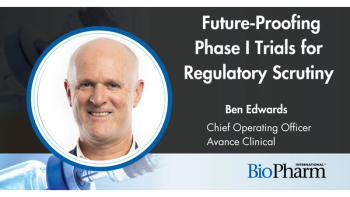
Avance Clinical’s Ben Edwards explains how biotechs must design Phase I trials for quantitative exposure–response data to meet current FDA guidance and de‑risk Phase II dose selection.

Today’s podcast covers how integrated development models and multi-pathway therapeutic design are signaling a shift toward scalable, system-ready biopharma innovation and translational efficiency.

Data from Novo Nordisk’s UBT251 Phase II trial support triple-receptor metabolic modulation as a strategy to enhance weight-loss efficacy beyond single-pathway incretin therapies.
CGT Catapult’s newly formed advisory board aims to address manufacturing, data, and regulatory constraints influencing scalable development and clinical deployment of ATMPs.

Trust-based CDMO partnerships are becoming essential to accelerate injectable drug development, manage risk, and ensure resilient biopharma supply.
Clinical trial execution and workforce strategy emerge as critical drivers of successful rare disease and advanced therapy development outcomes.

Roche’s termination of the SHIELD DMD trial highlights how recruitment and regulatory feasibility increasingly shape rare disease drug development.
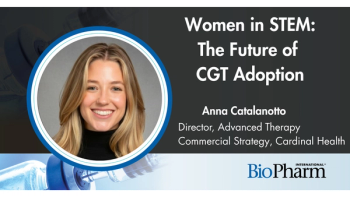
In the final installment of an interview with Cardinal Health’s Anna Catalanotto, she discusses how leveraging real-world evidence and advanced value-based reimbursement models can optimize clinical adoption and long-term sustainability of CGTs.
Today’s podcast highlights how sustained clinical efficacy data in alpha-thalassemia and ulcerative colitis highlight durability as a defining benchmark in modern biologic drug development.

Long-term data from a Johnson & Johnson study show that sustained IL-23 inhibition maintains histologic and endoscopic remission, supporting durability-driven UC drug development strategies.

Siegfried Schmitt, PhD, vice president, Technical at Parexel, notes how it is necessary to search beyond the term “data integrity” to stay abreast of developments in this field.
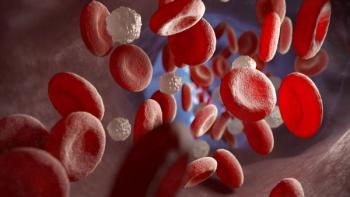
Bristol Myers Squibb’s luspatercept-aamt data validate erythroid maturation targeting, supporting scalable development strategies for genetic anemia therapeutics.
Welcome to BioPharm Brief, a new podcast that synthesizes BioPharm International®’s coverage into concise, insight-driven updates on biopharmaceutical research, clinical and drug development trends, and evolving industry strategies.

FDA’s priority review designation of Regeneron Pharmaceuticals’ garetosmab underscores Activin A inhibition as a potential disease-modifying strategy for genetically driven ossification disorders.

Lilly’s Phase IIIb trial shows improved psoriasis disease control using an integrated immune and metabolic pathway modulation approach, supporting biologically informed combination strategies in inflammatory disorders.
FDA is shifting its default standard for drug approvals, announcing that one adequate and well-controlled clinical trial will generally be sufficient for approvals.

Persistent medicines shortages across the EU reflect structural supply chain vulnerabilities, fragmented national regulations, and concentrated API sourcing, increasing regulatory risk and financial exposure for marketing authorization holders while directly impacting patient access and continuity of care.

Under the collaboration, Merck and Mayo Clinic will integrate multimodal clinical and genomic datasets with AI models to enhance target biology insights and translational decision-making.
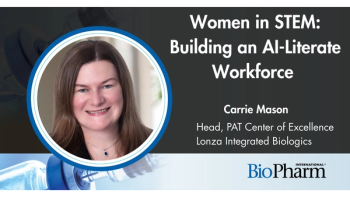
In the second half of an interview with Lonza’s Carrie Mason, Mason discusses how cross-training scientists enables scale-up of AI-enabled bioprocessing.
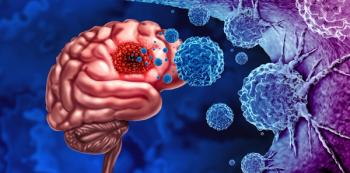
Despite decades of progress in cancer immunotherapy, glioblastoma remains largely resistant due to blood-brain barrier constraints, tumor heterogeneity, and an immunosuppressive microenvironment; advances in recombinant antibody engineering—including multispecific formats, nanobody fusions, and Fc optimization—are emerging as potential strategies to address these long-standing biological and translational barriers.
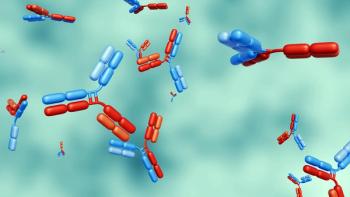
FDA’s breakthrough therapy designation for Johnson & Johnson’s co-formulated bispecific antibody therapy validates dual EGFR/MET targeting in HPV-negative head and neck cancer.

Spectral flow cytometry is democratizing high-parameter cell analysis, using modular instruments and AI to unlock deeper insights in cancer research.