





AdvanCell and 48Hour Discovery align peptide discovery with a Lead-212 infrastructure to build a durable targeted alpha therapy pipeline aimed at oncology markets.
AdvanCell and 48Hour Discovery align peptide discovery with a Lead-212 infrastructure to build a durable targeted alpha therapy pipeline aimed at oncology markets.

This new licensing deal with SanegeneBio signals growing confidence in RNAi technologies.
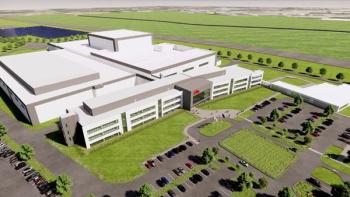
The facility builds on Eli Lilly's $50 Billion investment strategy to strengthen the company's domestic manufacturing capabilities.

Agentic AI enables closed-loop, autonomous drug discovery workflows that accelerate biopharma R&D, improve efficiency, and reshape innovation.

Such targeted private investments underscore the growing importance of early manufacturing scale-up in de-risking immunomodulatory biologics for neurodegenerative diseases.

The company’s major long-term capital commitment highlights how global drugmakers are anchoring future innovation, advanced modalities, and supply resilience within China’s life sciences ecosystem.

The guidance provides clarity to drug manufacturers on offering lower drug prices directly to patients, including patients on Medicare and Medicaid.

Cellares’ $257M Series D signals growing industry urgency to industrialize cell therapy manufacturing through automation and scalable production models.

Regulatory review of Eisai’s subcutaneous lecanemab highlights how delivery innovation may expand access and scalability for disease-modifying Alzheimer’s therapies.

This fast track designation signals growing regulatory momentum for trispecific antibodies as the myeloma field pushes beyond single-target immunotherapies.

Integrated biotech–CDMO partnerships are becoming critical as fusion protein complexity pushes developers to align discovery and manufacturing earlier.

Survey results show a shift in pharma industry sentiment from optimism to caution as rising insecurity offsets high satisfaction and intellectual engagement.

The European Commission’s approval of GSK’s Arexvy for adults 18 years and older expands the respiratory syncytial virus vaccine market and signals broader adoption of adult immunization strategies.

Green chemistry is emerging as a strategic lever for biopharma manufacturing, enabling safer processes, efficiency gains, and long-term competitiveness.
Biopharma manufacturing faces a global workforce crisis, driving adoption of continuous upstream automation to protect and scale capacity, says Eric Langer of BioPlan Associates, in the continuation of his industry outlook.

The decision is based on President Trump’s executive order issued last year.

Mendra’s launch highlights the growing use of AI to improve patient identification, clinical execution, and commercialization in rare disease programs.

Next-gen antibody R&D is shifting to multifunctional modalities driven by manufacturing scale and regulatory acceleration.

EU regulators clear Otsuka’s antisense injectable to prevent hereditary angioedema attacks, reinforcing momentum for RNA-based rare disease medicines.

Next-gen antibody R&D is shifting to multifunctional modalities driven by manufacturing scale and regulatory acceleration.

GSK’s purchase of RAPT underscores growing biopharma focus on durable biologics designed to reduce dosing burden in food allergy and immunology care.

A comparison of 2024 and 2025 bio/pharma employment survey results indicates that industry professionals face eroding security, polarized satisfaction, and rising attrition risk.

As adenovirus vectors continue to evolve into versatile platforms for vaccines and complex therapeutics, advances in vector design and formulation are proving critical to ensuring manufacturing consistency, therapeutic potency, and patient-ready delivery at scale.

In 2026, AI and automation are anticipated to solve talent gaps and economic shifts to drive resilient drug discovery and manufacturing.

The approval of aflibercept for visual impairment from macular edema following retinal vein occlusion is based on clinical data that suggests higher-dose anti-VEGF therapy can preserve vision while extending dosing intervals.

The development, quality, and procurement teams should work together to determine which materials and suppliers are needed, says Jane Zhang, Co-Founder & Co-CEO, ETCH Sourcing, and Susan J. Schniepp, distinguished fellow at Regulatory Compliance Associates, a Nelson Labs Company.

The company composed a letter addressed to global governments to harness competitiveness and innovation to navigate the current global trade economy.

As biologic modalities grow more complex and timelines compress, integrated, end-to-end CDMO partnerships are emerging as a strategic differentiator to enable biopharma companies to reduce risk, accelerate development, and maintain quality and regulatory continuity across the full product lifecycle.

The partnership boosts BOT+BAL immunotherapy, securing US biologics manufacturing and accelerating Phase III mCRC development globally.
A new FDA draft guidance signals broader acceptance of Bayesian methods, shaping clinical trial design, efficiency, and regulatory strategy in drug development.