
Adalvo’s purchase of Enzene’s Nplate biosimilar program extends it into biologics and moves Enzene toward a CDMO-only model.
Adalvo’s purchase of Enzene’s Nplate biosimilar program extends it into biologics and moves Enzene toward a CDMO-only model.

The Skyrizi approval pairs an interleukin-23 antibody with an on-body injector for 720 mg subcutaneous induction in adults, per phase 3 AFFIRM data.

Accelerated approval for dostarlimab-gxly (Jemperli) pairs a single-arm phase 2 dataset with an FDA-authorized biomarker test and confirmatory requirements.

FDA’s rare disease framework effort will revisit evidence expectations and manufacturing review, with public input starting Oct. 28.

Phase 3 interim data for RYZ101, the lead asset from Bristol Myers Squibb’s $4.1 billion RayzeBio deal, meet the primary endpoint.

Efzimfotase alfa missed significance on the six-minute walk test in adolescents and adults, while the FDA review of the therapy proceeds toward 2027.

Once-weekly amylin analog petrelintide produced up to 9.2% weight loss at 28 weeks in adults with obesity and type 2 diabetes, Zealand Pharma reports.

Tecentriq plus chemotherapy gains FDA approval for stage III dMMR colon cancer after a phase 3 trial showed improved disease-free survival.

Series A led by Oxford Science Enterprises and up to $20 million in public funding will move cell-based mRNA production toward clinical-grade scale.

Rocket’s modified protocol keeps the first three patients in a 12-patient efficacy population, with topline Danon disease data expected in mid-2028.

Celltrion USA's Omlyclo, the first interchangeable biosimilar to Xolair, reaches the U.S. market across four allergic and inflammatory indications.

Alvotech turns to a CDMO's 40,000-liter Syracuse facility for biosimilar drug substance as it expands its manufacturing network.
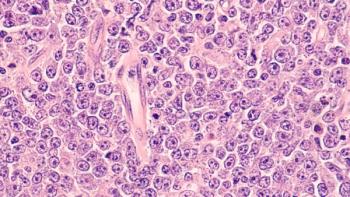
Topline phase 3 data show epcoritamab plus R-CHOP reduced the risk of progression or death by 51% in newly diagnosed diffuse large B-cell lymphoma.

Part 2 of the VK2735 maintenance study tests whether daily or weekly oral tablets can hold weight loss first achieved with weekly subcutaneous injections.

Litifilimab extended skin responses through 52 weeks in phase 2 AMETHYST data in cutaneous lupus erythematosus, with phase 3 results expected in 2027.
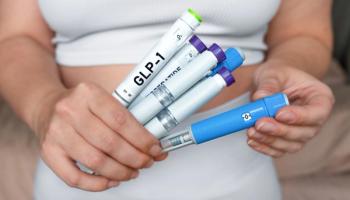
The glucagon/GLP-1 dual agonist hit both weight loss endpoints in phase 3, though gastrointestinal discontinuations and competitor data temper the readout.

The FDA has cleared daraxonrasib, the first RAS(ON) tri-complex inhibitor to reach approval, validating a mechanism-driven platform approach to a historically undruggable oncogene family in pancreatic cancer.

The FDA's approval of mFLUSIVA (mRNA-1010) extends Moderna's lipid nanoparticle platform to a new indication, with broad implications for biopharmaceutical manufacturing flexibility and regulatory precedent.

The FDA's approval of sacituzumab govitecan-hziy for first-line metastatic triple-negative breast cancer validates the Trop-2/SN-38 hydrolyzable linker platform across four positive Phase 3 trials, with implications for ADC development strategy, pharmacogenomic labeling, and biomarker-stratified regulatory programs.
Lunsotogene parvec-cwha (Otarmeni) is a gene therapy found to improve hearing thresholds in most pediatric patients with OTOF-related hearing loss, supporting accelerated approval despite limited sample size and follow-up.

Updated topline findings from the Phase III BL-B01D1-307 study show that the EGFR×HER3 bispecific antibody-drug conjugate izalontamab brengitecan significantly improved progression-free and overall survival versus physician’s choice chemotherapy in patients with previously treated advanced triple-negative breast cancer.

Phase III data show that Gazyva/Gazyvaro (obinutuzumab) significantly improved complete remission rates at two years compared with tacrolimus in adults with primary membranous nephropathy, with additional benefits seen across key secondary endpoints and no new safety signals identified.

A preclinical 21-day minipig study found that a hyaluronidase-free, nanoformed subcutaneous formulation of trastuzumab achieved pharmacokinetic exposure comparable to Herceptin HYLECTA, with favorable tolerability, supporting further investigation of nanoparticle-based delivery approaches for monoclonal antibodies.