A modular cell-culture platform demonstrates accelerated process development.
A tidal wave of questions floats the need for more upstream automation.
The milestone approval of a gene-edited therapeutic paves the way for gene-editing technologies.

Both adherent and suspension cell culture approaches have their pros and cons, which must be considered for process development.

A modular cell-culture platform demonstrates accelerated process development.

The authors provide application data to support the use of SEC beyond small-scale operations.

Novo Nordisk broke ground on a facility in Clayton, NC, to manufacture APIs for GLP-1 and insulin medicines.
The pharma company revealed in a fourth quarter call that it will improve its cell-culture capabilities by focusing on the use of naïve, highly proliferative cells to manufacture its CAR-T drug candidate.
Asking the right questions is crucial to establishing a biopharmaceutical facility design.

The authors describe the ways in which manufacturers can mitigate the risks related to the integrity of recombinant transgenes expressed in CHO cells.
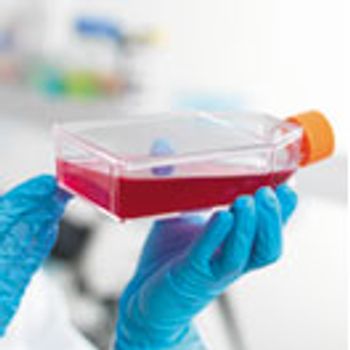
The necessity to detach cells from a culture substrate during cell harvesting remains one of the most challenging steps in a cell-culture process.

Collaborative efforts are underway between suppliers and drug manufacturers to address raw material variability.
Microbial models offer some exciting production alternatives.
Miniature bioreactors add value by reducing validation efforts.

The authors review the status of expression of antibodies in microbial hosts and present the recent advances in the production of aglycosylated antibodies in bacteria.
Rapid methods to test CAR-T therapies for potential contamination are on the horizon.
The authors describe the impact of the knocking of the pgi gene of the wild type MG1655 strain on the growth kinetics of plasmid-free and plasmid-bearing cells.
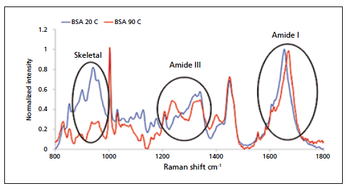
In this article, the author reviews some of the techniques that can yield valuable information on protein stability, focusing specifically on protein aggregation. Emphasis is placed on the enhanced information made available when technologies are used orthogonally, and the alignment of different approaches with specific stages of the biopharmaceutical development workflow.
Novasep is building a new synthesis laboratory and adding capacity for kilogram-scale batches of synthetic molecules that are needed for biological testing and preclinical trials, at its Pennsylvania, US facility.

In semiconductor manufacturing, for example, a thorough understanding of process variation allows companies to manufacture circuits with billions of transistors at high yields. These variations are translated into a set of design rules, which help ensure that designs will be manufactured successfully and meet safety and other regulatory requirements.
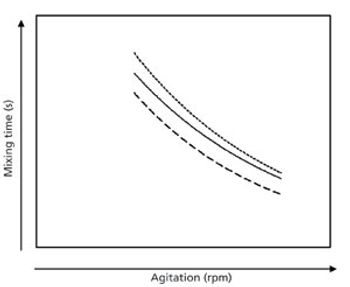
The authors conclude that miniature bioreactors can adequately predict the cell culture kinetics in scaled-up reactors using equal mixing times.
Use of a subspace model is a viable method to characterize process space variables and optimize process performance.
Growing differentiated cells from stem cells may now be a bit easier than before, thanks to the findings from a new study on the production of liver cells. The study, backed by the Centre for Regenerative Medicine and published in Stem Cell Reports, finds that laminins may be a crucial element for the successful clinical-scale production and culture of stem cell therapies. The UK Regenerative Medicine Platform, the European Union Seventh Framework Programme, and the German Federal Ministry of Education and Research funded the research.
The authors present a review of the techniques commonly used for glycosylation analysis.
ProBioGen plans to develop and scale-up production of a biosimilar to the mAb cancer drug trastuzumab and will transfer the commercial manufacturing process to Indonesia’s government-owned Bio Farma.
Biovest’s mAbVault provides supply-chain redundancy for antibodies that enables customers to lock in price-per-gram protein production.
Probiodrug has signed an agreement with Rentschler Biotechnologie GmbH for the development of PBD-C06, a pGlu-Abeta-specific monoclonal antibody, as treatment for patients with Alzheimer’s disease.
Rafe Swan/Getty Images; Dan WardIrreproducible preclinical research is a global, expensive, and well-recognized problem that contributes to delays a