



The cell density achieved in a CELLine bioreactor is typically 1 to 2 orders of magnitude higher than in a conventional culture vessel
A tidal wave of questions floats the need for more upstream automation.
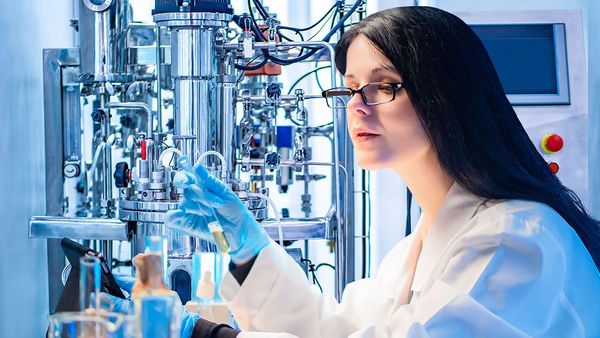
The milestone approval of a gene-edited therapeutic paves the way for gene-editing technologies.
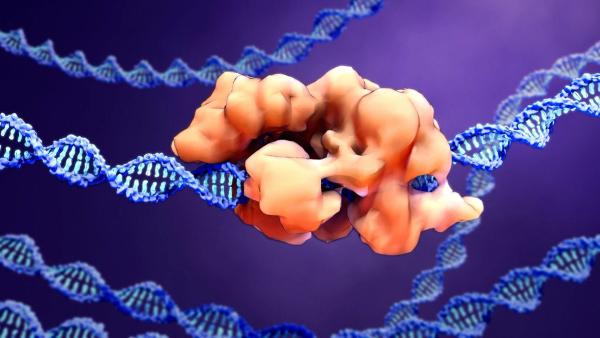
Both adherent and suspension cell culture approaches have their pros and cons, which must be considered for process development.
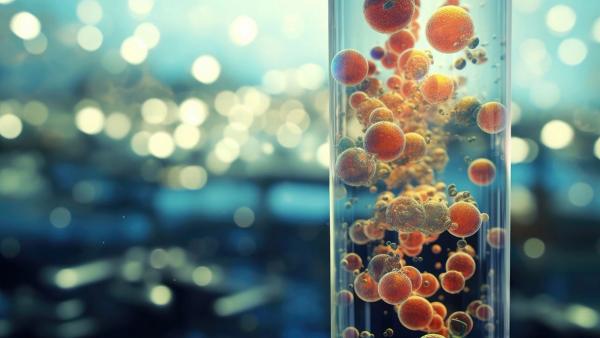
The cell density achieved in a CELLine bioreactor is typically 1 to 2 orders of magnitude higher than in a conventional culture vessel

Use of a fermentor for cell culture study advances research in directions previously thought unimaginable.
Pharma industry equipment utilization hovers below 40 percent, which would be an unacceptable figure in most industries.
Various methods for transfecting molecules such as DNA, RNA, proteins, or drugs with high efficiency and low toxicity have been implemented and optimized for many different cell types. These include widely used techniques such as chemical transfection (lipid-based techniques), the use of viral vectors and electroporation.
Subcutaneous administration is likely to be an important factor in generating an immunogenic response.
Cell-line and process development expertise, along with disposable systems, assist in implementing strategies for fast expression enhancements.
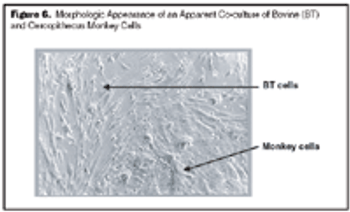
Strategies for accurate speciation and case studies for the detection of cell line cross-contamination using a commercial kit.
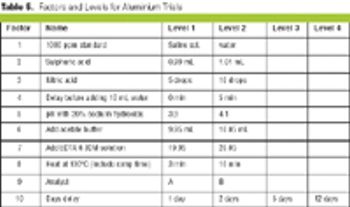
Saturated fractional factorial plans minimize the number of trials by one-half or better, which saves time and money.
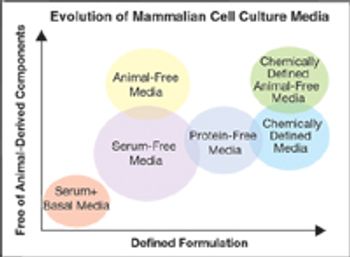
Once a necessary "magic ingredient" of media for mammalian cell culture, serum is rapidly being eliminated from media for biotherapeutic processes.
When you don't know the answer to a question, ask an expert. If the question is really big, ask more experts. If you have a collection of difficult questions, run a poll of many experts. That, in effect, was the impetus for Eden Biodesign to survey 670 BioPharm International subscribers with questions as to what will be the development mechanism to achieve safe, effective, and cheap new medicines.
There are challenges aplenty in purification and analysis of PEGylated protein pharmaceuticals. Here are a variety of technical solutions, many concentrating on the chemistry of the linker.
Lot-to-lot variations between raw materials can greatly impact process performance.
Disposable products and systems have come a long way since they first entered the small-lab market in the 1970s. Today they are available for practically every aspect of biopharmaceutical manufacturing. Disposable systems are used for filtration, clarification, purification, and separation applications used in the production of vaccines, monoclonal antibodies, and other therapies. As the use of disposable systems grows, the concept of a completely disposable manufacturing process is becoming a reality.
Manufacturing changes - such as changes in formulation or source material - can impact a product’s immunogenicity.
In order to institute a GxP mindset across the organization, support and respect for quality systems should come from the top down.
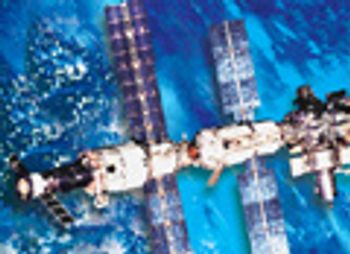
A profusion of present-day bioreactor and fermentor systems offers remarkably diverse capabilities, ranging from microfluidics to bulk production vats, simple petri dishes to complex artificial organ cultivators, and suspension, adhesion, perfusion, and many other culture management methods. Each of these systems is well suited to address specific research problems, but few are widely adaptable to diverse experiment demands - such as those conducted in space.