

With globalization, biopharmaceutical companies must establish strategies to minimize vulnerabilities in the raw-materials supply chain.
The evolution of therapeutic modalities drives the adoption of single-use technologies.
Despite a growing number of biosimilar approvals, market uptake remains a challenge.
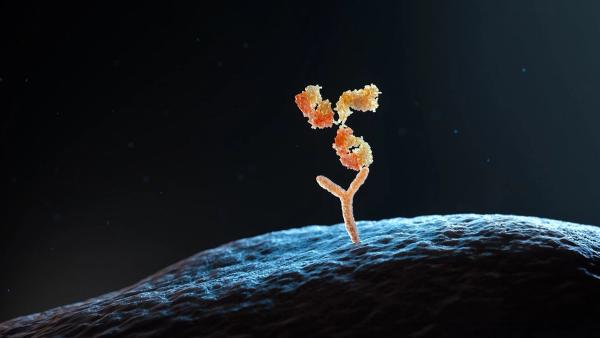
Given the criticality of fill/finish processes, it is clear that automation is the next technological step.
With globalization, biopharmaceutical companies must establish strategies to minimize vulnerabilities in the raw-materials supply chain.

Challenges in Securing the Biopharma Supply Chain
New toxicology study demonstrates decreased mortality and better tolerability of ADC generated with Smartag platform versus conventional technology.
Aesica Pharmaceuticals S.r.I. collaborates with QAD to meet China's Food and Drug Administration's shortened serialization deadline.
FDA provides advice to supply-chain stakeholders on how to identify suspect drug products and how to notify the agency of those products.
Novartis facility becomes the first US site licensed by the FDA to produce cell-culture influenza vaccines.
The YSI Sitini Online Sampler draws fluids from a bioreactor and delivers the samples to an analyzer.
FDA issues a Form 483 to Wockhardt for quality issues at Morton Grove, IL facility.

Innovative polyethylene film sets new benchmark
PharmaCell has finalized its purchase of the cell therapy production facility from TiGenix.

The European Pharmacopoeia Commission re-evaluates its policy on the development of monographs for finished drug products.

Different approaches to prepare highly concentrated feed media for fed-batch Chinese hamster ovary cell culture are evaluated.

Suppliers see challenges to the adoption of single-use technologies for downstream processing as opportunities.

New formulations and expanded vaccine production are encouraged.
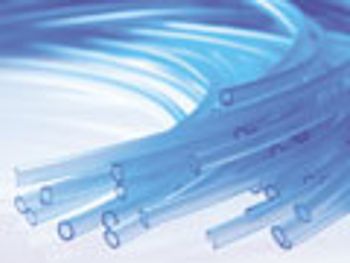
Progress is being made in the development of harmonized best practices for single-use systems.

New approaches to vaccine production are targeting rapid supply for pandemic situations and broadly effective therapeutic treatments.
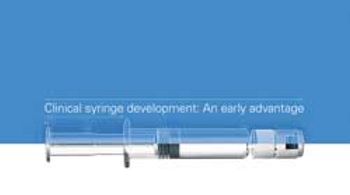
Clinical Syringe Packages Increase Productivity

New human and plant-based expressions systems can enable faster product development and improve quality at potentially lower costs.
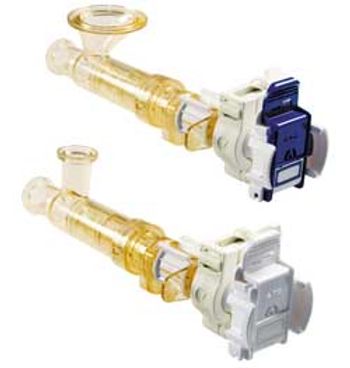
Integrated Single-Use Sterile and SIP Connector Provide Flexibility
Review regulatory requirements and the use of viral-challenge studies in drug development.
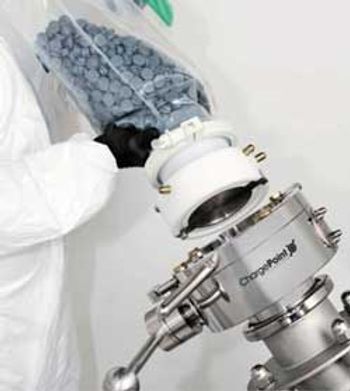
Aseptic Valve Range Increases Sterility
TAP Biosystems announced that Gallus BioPharmaceuticals is using its ambr15 micro bioreactor system to optimize process development and clone selection of novel antibody therapeutics and biosimilars.
Grace's ProVance disposable Protein A chromatography column is designed for downstream purification.
ThioBridge linker technology to attach different payloads to a range of antibodies
Biotechnology developer American CryoStem and Rutgers University partner on stem-cell platform technology development.