

Experts discuss the future of modular manufacturing and the challenges that biopharma manufacturers face in facility design

Experts discuss the future of modular manufacturing and the challenges that biopharma manufacturers face in facility design
Walker Barrier Systems builds eight mobile clean rooms for the Texas A&M Center for Innovation in Advanced Development and Manufacturing.
GE Healthcare Life Sciences announced that it will build a KUBio modular biopharmaceutical factory in China for JHL Biotech.
BioPharm International spoke with INTERPHEX 2013 conference-session presenters to gain insight on trends in facility and process design.
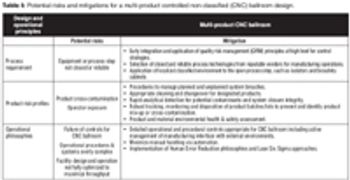
Additional challenges to the new cleanroom paradigm from concurrent multiproduct manufacturing of bulk drug substances in a controlled non-classified (CNC) ballroom environment.
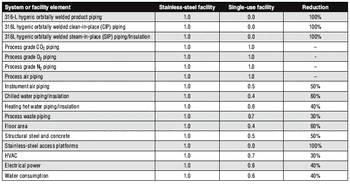
The move to single-use manufacturing has prompted a paradigm shift in facility design.

NIBRT's Michael Lacey provides an overview of biopharmaceutical facility design and operation.
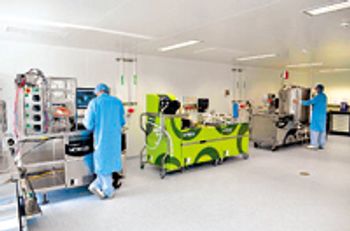
This article describes best practices for implementing a single-use process train at a bioproduction facility.
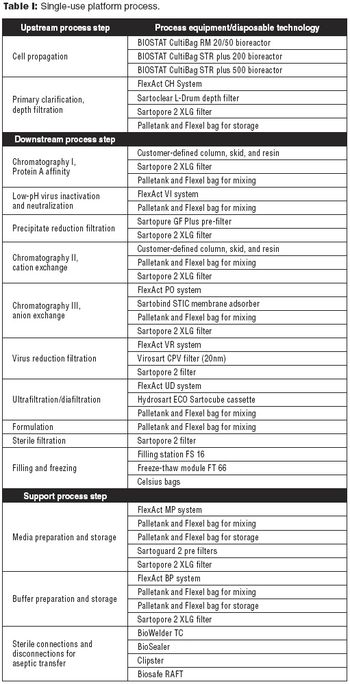
The combination of single-use platform technology with modular facility construction is a template for flexible manufacturing.
A brief case study of a facility-fit analysis provides insight into how to adjust capacity when moving from clinical-to commercial-scale production.
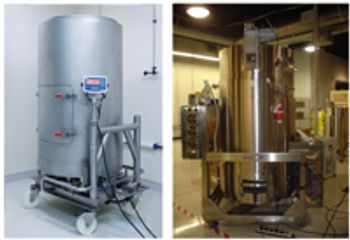
The authors explain why Catalent decided to transition from stainless steel to single-use systems.
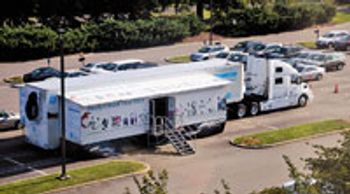
GE Healthcare Life Sciences' ReadyToProcess platform aims to streamline bioprocessing.

Patrick Jackson of Vindon Scientific offers key considerations for choosing an outsourced sample storage facility.
Anne Marie Dixon of Cleanroom Management Associates, gives us an update on her 1988 article, "Clean Room Management."
ISPE has published a new guidance titled ISPE Good Practice Guide: Quality Laboratory Facilities, which defines design guidelines for quality laboratories.

Using a competency-based approach to effectively train biopharmaceutical industry staff.
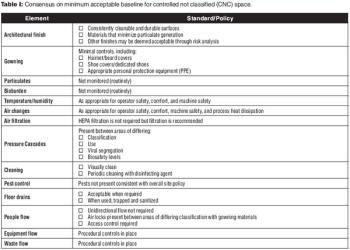
The authors re-examine environmental controls in the context of technical advances in manufacturing.
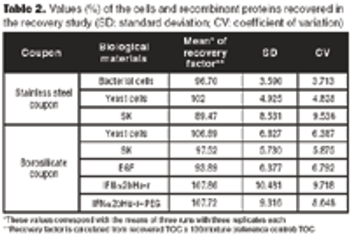
Case studies show TOC is effective for cleaning validation.
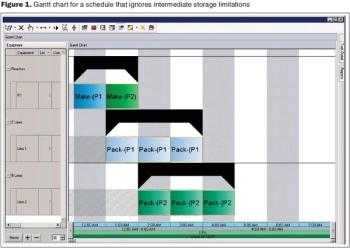
An algorithmic approach to fine tune facility design and predict capacity.
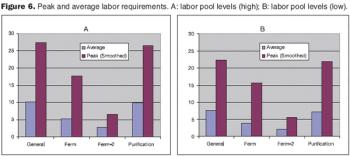
How to improve facility design and predict capacity.
A case study compares capital costs, operating expenses, and NPV for a new MAb plant.
To assess current trends in cleanrooms and engineering & facilities, BioPharm International turned to Parrish Galliher, founder and chief technology officer, Xcellerex, Inc.; Jim Maslowski, owner, PDC Aseptic Filling Systems; Morgan Polen, vice president, application technology, Lighthouse Worldwide Solutions; and Benoît Verjans, commercial director, Aseptic Technologies.
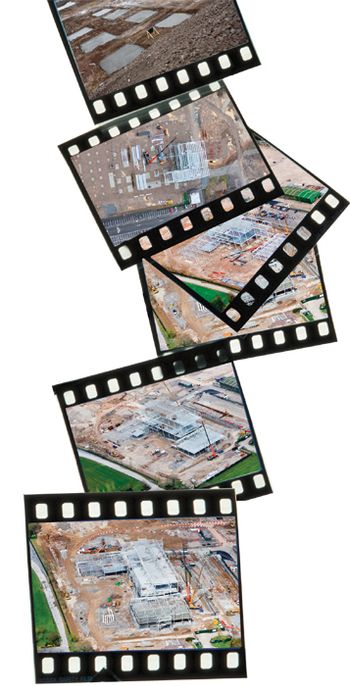
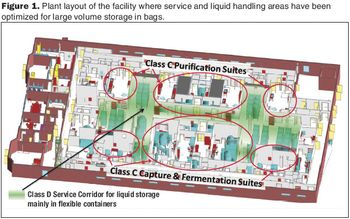
A close-up look at Pfizer's biotherapeutics plant in Shanbally, Ireland.

The development of a skilled labor force is essential for an expanding biopharmaceutical industry.