


The authors of the study believe it could have significant implications for the discovery of new dermatological products for major diseases such as psoriasis.
Accurately targeted immunotherapies through reliable neoantigen recognition enable personalized medicine development.
Proprietary cell lines offer opportunities for achieving high AAV titers.

In the ATMP space, CGTs are hitting their stride with unprecedented approvals in the past year alone.

The authors of the study believe it could have significant implications for the discovery of new dermatological products for major diseases such as psoriasis.
The company has officially opened a local brand office in South Korean to support its existing business in the region.
The agency gave Breakthrough Therapy Designation to GSK’s GSK2857916 monotherapy for the treatment of patients with multiple myeloma who have failed at least three prior lines of therapy.
The companies will collaborate to develop and manufacture Grid’s lead therapeutic candidate for the treatment of solid tumors.
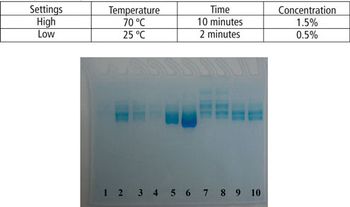
This article demonstrates that a modified SDS–PAGE can be easily used as a tool for quantifying the degree of protein degradation.
The contract research organization (CRO) has acquired Xenometrics, a non-clinical CRO specializing in preclinical assessment of new drug candidates.
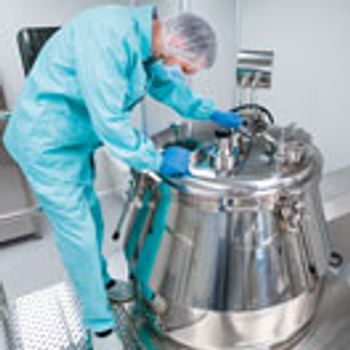
Rinse sample analysis or visual inspection are risk-based approaches that can be correlated to surface cleanliness to replace surface sampling in a biopharmaceutical equipment cleaning process.

Anna Kireieva/Shutterstock.comSpeed to market is essential in the biopharmaceutical industry today.
Despite GxP and data-management challenges, pharma is moving toward new models for clinical trial logistics.
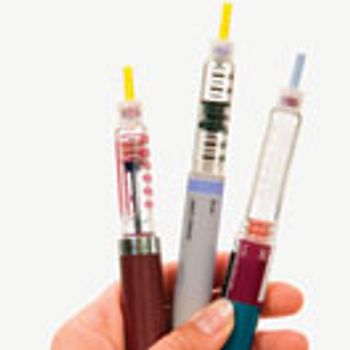
Siliconization is a key process step in the manufacturing of prefilled syringe systems.
As part of the $900-million deal, Incyte will pay $150 million upfront to develop and commercialize an anti-PD-1 drug candidate from biopharmaceutical company, MacroGenics.
AbbVie will pay a $205-million upfront payment and have the option to develop and commercialize two antibody targets globally.
The company has opened new facilities and an innovation center in Singapore, China that will focus on the development of plant-based products.
The collaboration aims to improve the pharmacokinetics of anti-C3 proteases developed by Catalyst to develop therapeutics for severe eye disorders.
Inovio has reported results from a study with non-human primates that showed 100% effectiveness with a DNA vaccine the company is developing with the US Army.
The use of external retainers to enhance the seal between connectors and tubing is an essential component in single-use manufacturing systems.
The $72-million investment, part of a larger $850-million investment into its US operations, will allow the drugmaker to replace an outdated insulin vial-filling line and to upgrade technology at its Indianapolis manufacturing plant.
Through the support of the Japanese agency, Daiichi Sankyo intends to further develop its genetic vaccine platform focused around its new nucleic acid delivery technology.
The companies have entered into a strategic collaboration to establish a new cell therapy and regenerative medicine manufacturing platform, which includes a new manufacturing facility in Belgium.
NIH has entered a five-year, $215-million collaboration with leading biopharmaceutical companies to advance the development of cancer immunotherapies.
BARDA has entered a $12-million contract with biopharmaceutical firm Achaogen for the late-stage development of an antibiotic against resistant bacteria, and as a potential treatment for biowarfare agents.
Gelest, a manufacturer and provider of silane, silicone, and metal-organic compounds, released a range of dual-function poly(ethylene glycol) (PEG) reagents that enable new approaches to PEGylation for bioconjugates.
Virgin Atlantic Cargo and Delta Cargo have opened a new Pharma Zone at their joint facility at London Heathrow Airport for the handling and storage of pharmaceutical shipments.
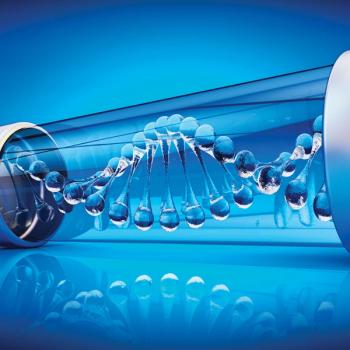
There is a lot of interest in delivering biologics via non-invasive routes in attempt to improve patient compliance and convenience.
Nemera is now authorized to handle, assemble, sterilize, and store pharmaceutical drugs and medicinal products for autoinjector combination products at its facility in Neuenburg, Germany.