




Development
Latest News
Advertisement
Research into Cold Cancers Heating Up
Accurately targeted immunotherapies through reliable neoantigen recognition enable personalized medicine development.
Proprietary Cell-Line Development for High-Titer AAV Manufacturing
Proprietary cell lines offer opportunities for achieving high AAV titers.

Bracing for a Future Wave of Advanced Therapies
In the ATMP space, CGTs are hitting their stride with unprecedented approvals in the past year alone.

Latest Videos




Advertisement
More News

Mediar Therapeutics has signed a collaboration and option agreement with Ono Pharmaceutical to co-develop novel antibody therapeutics targeting myofibroblast biology in fibro-inflammatory diseases, building on Mediar's existing three-program antifibrotic antibody pipeline.

Backed by an 84.3% drop in RSV hospitalizations, Enflonsia could extend protection to high-risk infants still vulnerable in their second season.

Sanofi has suspended a phase 2 trial of SAR445399, an anti-IL-1R3 monoclonal antibody, in non-cystic fibrosis bronchiectasis, part of new ceo Belén Garijo's ongoing portfolio review rather than a safety concern.

Nonhealing wounds precede 80% of diabetes-related amputations, and BIOxHEAL is now cleared to test whether it can change that in a controlled trial.

Alteogen has licensed its ALT-B4 subcutaneous platform to an undisclosed global pharmaceutical company in a deal worth up to $365 million.

ConcertAI executives discussed how the company's integration of CancerLinQ has expanded the platform beyond quality reporting, using artificial intelligence to deliver faster clinical insights, improve trial matching, and support oncology practices with real-time data.
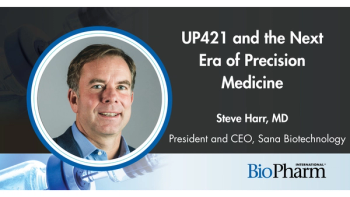
Sana Biotechnology's CEO, Dr Steve Harr, weighs in on how CRISPR-edited donor islet cells have survived 14 months without immunosuppression in a type 1 diabetes patient.
Under the deal, Pathos gains ex-China rights and will fund development of the bispecific ADC, already in phase 3 testing for triple-negative breast cancer.

The FDA has accepted Allergan Aesthetics' supplemental Biologics License Application for BOTOX Cosmetic to treat masseter muscle prominence, a submission that could make it the first neurotoxin approved for this indication in the US.

Oblenio Bio has dosed the first patients in a phase 1a trial of tri-specific T-cell engager LBL-051 for refractory autoimmune disease.

Rocket Pharmaceuticals has reported a positive safety update for RP-A501 from the first 3 patients treated under a modified phase 2 protocol in Danon disease.

FDA has granted fast track designation to Aravax's PVX108, a peptide immunotherapy for peanut allergy, ahead of phase 2 data.
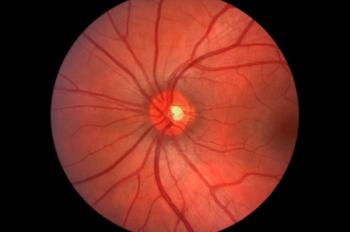
Opus Genetics has enrolled the last patient in its registrational Phase 3 trial of OPGx-LCA5, an AAV8 gene therapy for LCA5-associated inherited retinal disease, keeping the program on track for a potential first-in-disease approval.

China's NMPA has approved an IND for a Phase Ib/II trial combining Leads Biolabs' PD-L1/4-1BB bispecific antibody opamtistomig with standard regimens in metastatic colorectal cancer, extending the drug's reach into one of oncology's most immunotherapy-resistant tumor types.

Precision analytics and flexible manufacturing are helping to advance safer, scalable bispecific antibodies, antibody-drug conjugates, and central nervous system monoclonal antibodies from development to patients.

Novo Nordisk's ziltivekimab failed to reduce cardiovascular events in the phase 3 ZEUS trial despite confirmed IL-6 target engagement.
The EC has approved AstraZeneca and Daiichi Sankyo’s datopotamab deruxtecan ADC for 1st-line metastatic TNBC, which showed a 5.0-month overall survival benefit over chemotherapy.

Polpharma Biologics and Fresenius Kabi announced that the FDA and EMA have accepted for review PB016, a proposed biosimilar to Takeda's Entyvio (vedolizumab), with Fresenius Kabi holding exclusive global commercialization rights outside the Middle East and North Africa.

We answer readers’ top questions on limit of blank, limit of detection, limit of quantitation, acceptance criteria, and equivalence testing in analytical method validation.

Kelun-Biotech's sac-TMT has gained NMPA acceptance for a new first-line indication application in advanced triple-negative breast cancer.

Collaboration between suppliers and developers, as well as viral vector manufacturing simplification, are becoming critical to CGT's commercial future, says Brandon Pence of FUJIFILM Biosciences.
Iksuda Therapeutics has received FDA clearance of its IND application for IKS04, a CA242-directed antibody-drug conjugate paired with a novel dosing approach designed to improve solid tumor penetration, enabling a Phase 1 trial in gastrointestinal cancers.

FDA has granted priority review to Johnson & Johnson's Rybrevant Faspro for head and neck cancer, backed by 42% ORR in the OrigAMI-4 trial.

J&J Partners With Sail Biomedicines on In Vivo CAR-T for Autoimmune Disease, Holds Option to Acquire
Johnson & Johnson has entered a collaboration and equity investment agreement with Sail Biomedicines to advance in vivo CAR-T therapies for immune-mediated diseases, securing an exclusive option to acquire the company for $2.58 billion.
Aprea Therapeutics CEO Dr Oren Gilad discusses ASCO 2026 data for WEE1 inhibitor APR-1051 and the company's precision oncology strategy while at BIO 2026.
Advertisement
Advertisement