






Development
Latest News

Advertisement
Research into Cold Cancers Heating Up
Accurately targeted immunotherapies through reliable neoantigen recognition enable personalized medicine development.
Proprietary Cell-Line Development for High-Titer AAV Manufacturing
Proprietary cell lines offer opportunities for achieving high AAV titers.

Bracing for a Future Wave of Advanced Therapies
In the ATMP space, CGTs are hitting their stride with unprecedented approvals in the past year alone.

Latest Videos



Advertisement
More News

The supplemental approval is based on immunogenicity data from the STRIDE-13 phase 3 trial and, according to Merck, makes the vaccine the only one of its type specifically indicated for this at-risk pediatric population in the United States.

Moderna's mFLUSIVA (mRNA-1010) faces an FDA advisory committee vote on June 18 — a pivotal step for the first mRNA-based seasonal influenza vaccine to seek US licensure, following a turbulent regulatory path that began with an unprecedented refusal-to-file decision earlier this year.
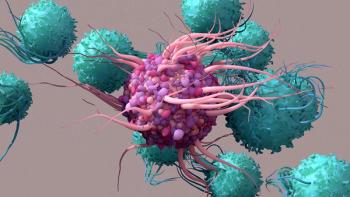
The company reported that phase I data show approximately 40% of patients remained cancer-free at 10 years, while 2 phase 2 trials are ongoing.

LG AI Research and D&D Pharmatech have launched a collaboration aimed at developing next-generation oral peptide therapeutics by combining artificial intelligence-driven molecular design with peptide formulation and development expertise.

Jazz Pharmaceuticals and AbCellera have entered a research collaboration to discover and develop next-generation multispecific T-cell engaging antibodies for gastrointestinal cancers and other solid tumors, with the agreement potentially valued at up to $792 million per program.

Q&A: Cytiva’s Pierre-Alain Ruffieux on Scaling Cell and Gene Therapy Manufacturing for Global Access
Cytiva’s Pierre-Alain Ruffieux discusses standardization, regionalization, talent gaps, and regulatory pathways shaping advanced biomanufacturing’s future ahead of BIO 2026.
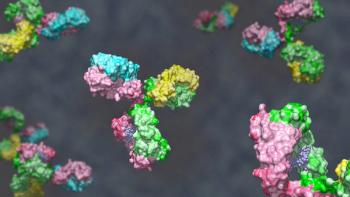
Bambusa Therapeutics reported positive preliminary phase 1 multiple ascending dose data for BBT002, a bispecific antibody targeting IL-4Rα and IL-5. The investigational therapy demonstrated sustained biomarker suppression, a favorable safety profile, and a half-life supporting extended dosing intervals.

The company reported that all three participants in the 3 µg/kg dose cohort achieved a ≥25% SALT score reduction following single-dose subcutaneous administration, with dose escalation ongoing toward a recommended phase 2 dose.
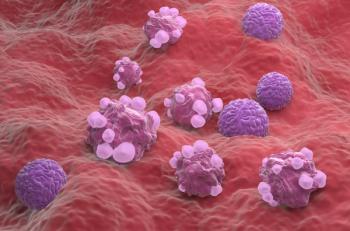
Interim phase 1 data show CTIM-76 achieved a 29% confirmed overall response rate in heavily pretreated patients with platinum-resistant ovarian cancer, while demonstrating a favorable safety profile and low rates of cytokine release syndrome.
Johnson & Johnson reported that the MonumenTAL-3 trial showed 24-month progression-free survival up to 81.3% and overall survival up to 89.2% with the GPRC5D bispecific combination versus standard of care.

Novartis announced that delpacibart braxlosiran met primary and key secondary biomarker endpoints in the Phase 1/2 FORTITUDE study for facioscapulohumeral muscular dystrophy. The investigational antibody oligonucleotide conjugate is being evaluated as a potential disease-modifying therapy for a condition that currently has no approved treatments.

New one-year data from MBX Biosciences show sustained efficacy, improved kidney and bone markers, and continued calcium control with once-weekly canvuparatide in chronic hypoparathyroidism, supporting advancement into phase 3 development.

Gan & Lee has reported positive topline trial results for insulin ludefen in type 2 diabetes and the GLP-1 bofanglutide in obesity.
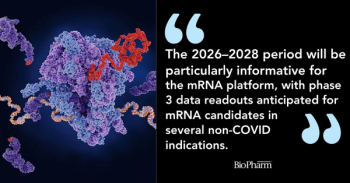
Phase 3 cancer vaccines and rare disease programs are positioning mRNA therapeutics beyond COVID-19, expanding precision treatment opportunities across oncology and genetic disorders.
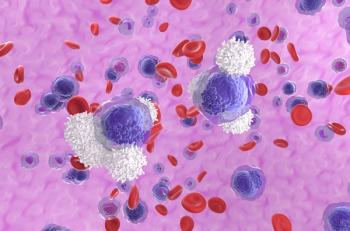
New data presented at EHA 2026 showed promising efficacy and manageable safety for Imviva Biotech's investigational allogeneic CAR-T therapy CTD402 in pediatric and adult patients with relapsed or refractory T-cell acute lymphoblastic leukemia and lymphoblastic lymphoma.

Immunome Doses First Patient in Phase 1 Trial of Potential First-in-Class ADC IM-1617 for Advanced Solid Tumors
Published: | Updated:
Immunome has dosed the first patient in a Phase 1 clinical trial evaluating IM-1617, a potential first-in-class antibody-drug conjugate incorporating the company's proprietary HC74 topoisomerase I inhibitor payload. The study will assess safety and preliminary anti-tumor activity in patients with advanced solid tumors.

FDA has approved Organon's tocilizumab-bavi (Tofidence) for CAR T-cell–induced CRS and hospitalized COVID-19 in adults and children aged 2 years or older.
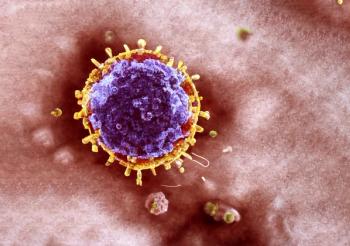
Kyowa Kirin Highlights New Mogamulizumab Data in Cutaneous T-Cell Lymphoma at WCCL 2026
Published: | Updated:
Kyowa Kirin will present new clinical and real-world evidence on mogamulizumab at the World Congress of Cutaneous Lymphomas, including patient-reported outcomes, comparative effectiveness analyses, biomarker findings, and treatment utilization data in relapsed or refractory mycosis fungoides and Sézary syndrome.

According to Eli Lilly and Company, the extended dosing interval reduces maintenance injections to as few as 6 per year without required topical corticosteroids.

Sanofi has discontinued the Phase 3 MOBILIZE trial of riliprubart in treatment-refractory chronic inflammatory demyelinating polyneuropathy after an interim analysis found the study was unlikely to demonstrate sufficient efficacy. No new safety concerns were identified, and the company is evaluating the future of other ongoing riliprubart studies.

Eli Lilly reported Phase 3 data showing its oral GLP-1 receptor agonist Foundayo (orforglipron) achieved greater reductions in A1C and body weight than oral semaglutide in the first head-to-head trial of two oral GLP-1 therapies for type 2 diabetes.

City Therapeutics Advances RNAi Pipeline as CITY-FXI Enters Clinic and Stargardt Program Approaches IND
Published: | Updated:
City Therapeutics has secured $99.5 million in Series B financing to advance its next-generation RNA interference platform and pipeline, including its Phase 1 Factor XI-targeting candidate for thromboembolic diseases and a planned clinical-stage program for Stargardt disease.

Phase 3 data from Boehringer Ingelheim’s SYNCHRONIZE-1 and SYNCHRONIZE-MASLD trials meet their primary endpoints, with glucagon/GLP-1 dual agonism showing targeted metabolic fat reduction beyond body weight loss at 76 and 48 weeks.

Johnson & Johnson has agreed to acquire Firefly Bio in a $1 billion cash deal, gaining access to the company's Firelink degrader antibody conjugate platform for KRAS-driven cancers. The acquisition strengthens J&J's oncology pipeline and reflects continued industry interest in targeted protein degradation approaches for difficult-to-treat solid tumors.

The FDA has expanded the indication for Pfizer's Hympavzi to include pediatric patients ages 6 to 11 years and people with hemophilia A or B who have inhibitors. The approval makes Hympavzi the first subcutaneous non-factor therapy available for children ages 6 to 11 years with hemophilia B.
Advertisement
Advertisement
Trending on BioPharm International
1
BioPharm Brief: Gene Therapy Progress, FDA Approval, and $103M Funding
2
Opus Genetics’ OPGx-LCA5 Gene Therapy Shows Sustained Vision Gains Ahead of Phase 3
3
Estuary Biotherapeutics Launches With $103 Million for ADPKD Gene Therapy
4
FDA Approves Roche’s Enspryng as First At-Home Subcutaneous Treatment for Thyroid Eye Disease
5