
The complexity of biologics and the use of new technologies present challenges for complying with CGMPs.
The complexity of biologics and the use of new technologies present challenges for complying with CGMPs.
Advanced data analytics, including statistical modeling and machine learning technique, can enable more efficient and reliable bioprocesses.

Tools such as manufacturing execution systems, artificial intelligence, and software innovations are useful for enhancing data integrity protection.
Bioanalytical studies are an important aspect of biologic drug development that may necessitate partnering with bioanalysis experts.

A rolling review of data on the use of remdesivir, an investigational antiviral medicine, for the treatment of COVID-19 has been started by EMA’s Committee for Medicinal Products for Human Use.
Next-generation therapeutics and regulatory requirements create demand for complex, fit-for-purpose tests.
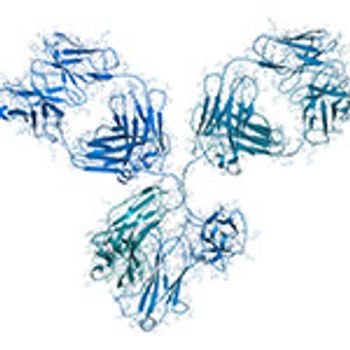
In this peer-reviewed article, the authors present a series of experimental studies showcasing the performance of MMS in secondary-structure biopharma characterization and compare it with conventional FTIR data.
Addressing data integrity, quality culture, aging facilities, investigations/corrective actions and preventive actions, and risk management is key when conducting audits, says Susan J. Schniepp, executive vice-president of post-approval pharma and distinguished fellow, Regulatory Compliance Associates.

Experience, communication, collaboration, transparency, planning, and prioritization contribute to success.

A variety of assays should be used to detect bacterial, fungal, and viral contaminants in the human source cells used for cell therapies.
Pharmaceutical Technology spoke with Jens Andersson, purchasing director at Cambrex Karlskoga, about the best way to ensure the security of the bio/pharmaceutical materials supply chain.

Risk assessments, audits, and good communication between sponsor and supplier are key elements of supplier oversight.
FDA postpones routine domestic facility inspections due to the COVID-19 pandemic.
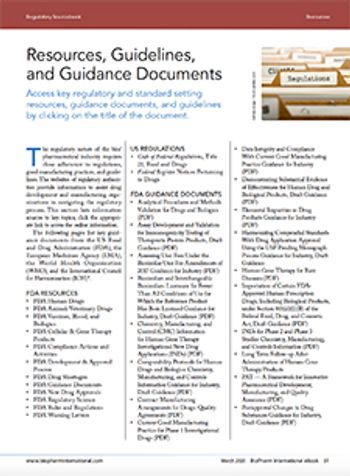
Find links to pertinent regulatory and standard setting resources, guidance documents, and guidelines.

Ensuring the quality of data in process monitoring and control systems starts in process development phases.

As compounds become more complex in nature and biological ingredients are more widely used, stability testing approaches must follow suit and provide flexibility for developers.
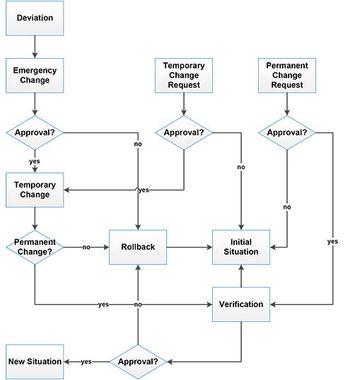
No matter why change may be needed, it is important to comply with all the relevant regulatory requirements, says Siegfried Schmitt, PhD, vice-president, technical, Parexel Consulting.
The company has said that all three of its operating sites in China started back up on Feb. 12 and that it is closely monitoring the outbreak.
The report details OPQ’s accomplishments over the past five years.
By establishing effective management of data and knowledge, it will be possible to employ advances, such as artificial intelligence and synthetic biology, to their full potential in upstream bioprocessing.

Data management is crucial in bio/pharmaceutical laboratory settings from discovery steps through clinical studies and varies based on the development phase.
Complex protein structures pose analytical challenges that can be addressed by advanced mass spectrometry technologies and workflows, which can be used to comprehensively characterize them.

The trend toward personalized medicines includes more complex manufacturing cycles that can benefit from advanced process modeling early on in the therapeutics’ development.
Increased reliance on foreign producers raises concerns and spurs collaborations.
ICH will be taking industry comments under consideration when it revises its Q9 guideline in order to clarify QRM requirements, says Susan J. Schniepp, executive vice-president of post-approval pharma and distinguished fellow, Regulatory Compliance Associates.