

The Cell History File is designed as a “cell passport” for developers and manufacturers of tissue- and cell-based medicinal products.
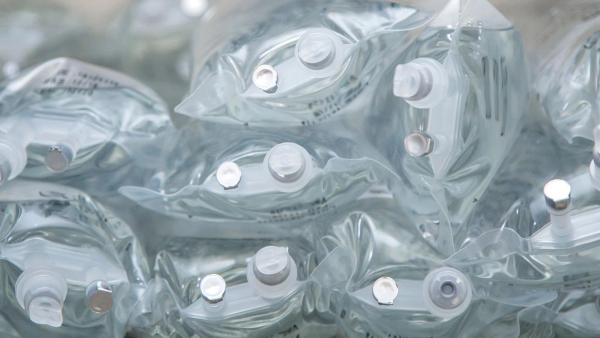
The evolution of therapeutic modalities drives the adoption of single-use technologies.
Despite a growing number of biosimilar approvals, market uptake remains a challenge.

Given the criticality of fill/finish processes, it is clear that automation is the next technological step.
The Cell History File is designed as a “cell passport” for developers and manufacturers of tissue- and cell-based medicinal products.
Probiodrug has signed an agreement with Rentschler Biotechnologie GmbH for the development of PBD-C06, a pGlu-Abeta-specific monoclonal antibody, as treatment for patients with Alzheimer’s disease.
The agency provides recommendations for submitting proposed labeling with abbreviated new drug applications.
BioPharm International eBooksVolume 28, Issue 14 Single-use technologies including polymer film bags, tubing, filter capsules, and appropriate connectors have become widely accepted in bioprocessing of proteins and vaccines.
Isolators offer a safety and economic advantage for next-generation regenerative medicine products.
Rafe Swan/Getty Images; Dan WardIrreproducible preclinical research is a global, expensive, and well-recognized problem that contributes to delays a
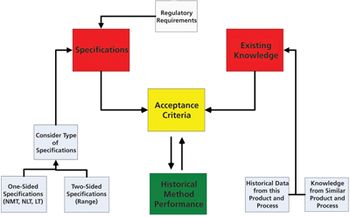
The authors present the results of a survey of biologics manufacturers to evaluate how these manufacturers transfer analytical methods.
The author explores a dual-supplier sourcing strategy for single-use products and its ability to mitigate business continuity risk.

Vetter plans to invest approximately 300 million Euros during the course of five years to expand drug product manufacturing and logistic services in Germany; upgrades will include an improved RABS system for aseptic processing.
The National Biologics Manufacturing Centre will provide companies with open access to bioprocessing facilities and expertise to expedite low-risk market entry of complex biologics.
Although the Committee for Medicinal Products for Human Use (CHMP) gave Blincyto a positive opinion, full approval of the drug in the EMA will rely on additional clinical studies.
Novo Nordisk will build a local manufacturing plant for FlexPen prefilled insulin delivery devices in Iran.
The fully humanized monoclonal antibody is licensed to Bristol-Myers Squibb.
Under terms of the agreement, Amgen will license Xencor’s XmAb technology platform for five Amgen programs and one Xencor program.
Novovax’s investigational vaccine targeting respiratory syncytial virus (RSV) demonstrated clinical effectiveness in animal models.
Nexvet Biopharma, a veterinary biologics developer, secured a dedicated, cGMP biologics manufacturing facility in Tullamore, Ireland, and plans to invest in disposable technology.
Preventing contamination requires quality systems to be in place, including routine cleaning, a robust cleaning validation program, and preventive maintenance.
Abenza acquired biopharmaceutical CDMO PacificGMP and expanded the company’s San Diego facility.
According to AstraZeneca, the purchase of the biologics bulk plant will double the company's biologics manufacturing capacity in the US.
FDA announced the recall, citing deficiencies in Medistat’s aseptic processing areas and in its environmental monitoring procedures.
Aragen Bioscience has licensed ProteoNic Biotechnology’s 2G UNic recombinant protein production technology, which increases manufacturing efficiency and reduces cost of goods for recombinant biologicals.
FDA warns that compounded or repackaged drugs stored in certain syringes made by Becton-Dickinson may lose potency because of an interaction with the rubber stopper.
Reuters reports that Novo Nordisk will invest 500 million Danish Krone (approximately $75 million US dollars) into a new 19,000 m2 warehouse in Hillerød, Denmark. The warehouse will handle all inbound raw materials for Novo Nordisk's production in Denmark and will have a capacity of around 17,000 pallets of product, according to the news outlet.

China’s emergence as a significant commercial market is forcing manufacturers to re-evaluate their overall business model.