





Manufacturing
Latest News
Advertisement
Review of SUT Adoption in Biopharma Manufacturing
The evolution of therapeutic modalities drives the adoption of single-use technologies.
Moving Biosimilars Forward in a Hesitant Market
Despite a growing number of biosimilar approvals, market uptake remains a challenge.
Automating the Future of Fill/Finish
Given the criticality of fill/finish processes, it is clear that automation is the next technological step.

Latest Videos

Advertisement
More News

AWS's AI and cloud tools aim to compress Novo Nordisk's path from drug target to first human dose for chronic disease patients.
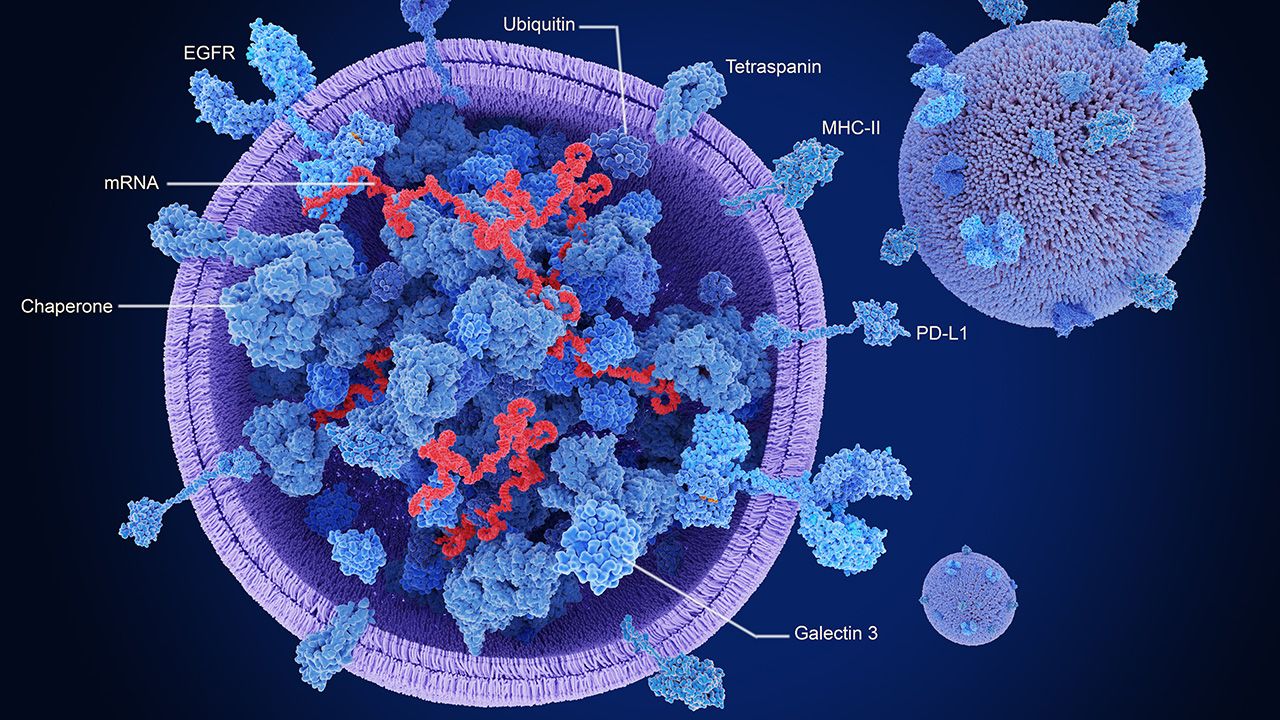
Moderna's mFLUSIVA approval offers a regulatory case study for mRNA vaccine sponsors, covering comparator selection lessons from the FDA's reversed refusal-to-file, competitive implications for Pfizer and Sanofi's mRNA flu programs, and what the accelerated approval pathway means for long-term regulatory risk.
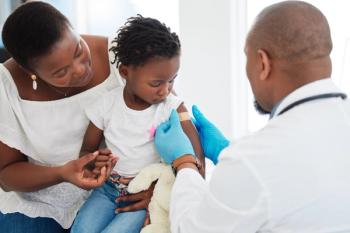
The European Commission has approved an expanded indication for Bavarian Nordic's IMVANEX (MVA-BN) mpox and smallpox vaccine, extending eligibility down to children 2 to less than 12 years old, based on phase 2 data showing an immune response and safety profile comparable to adults.
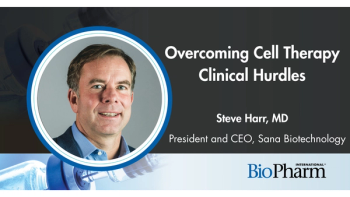
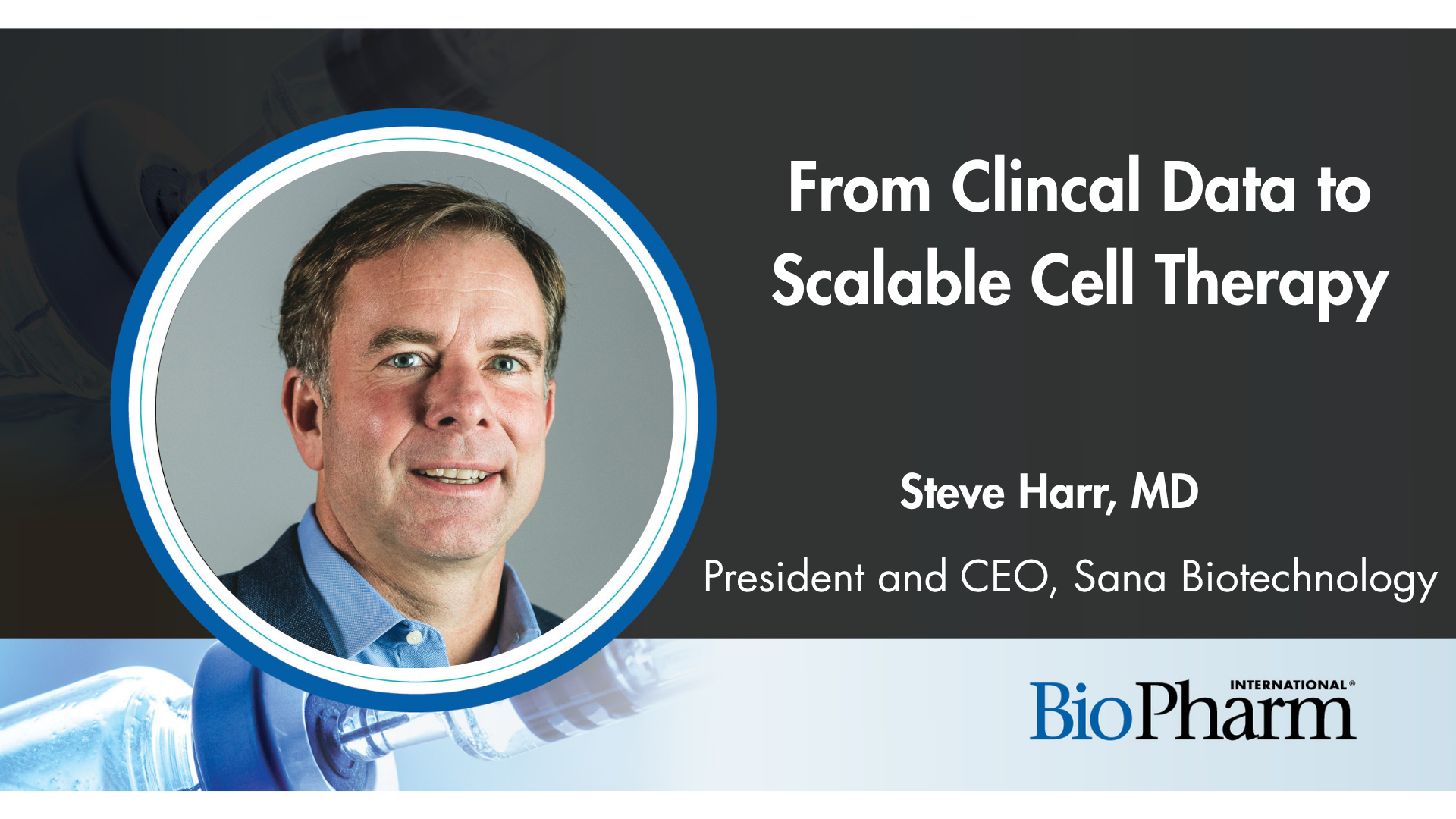
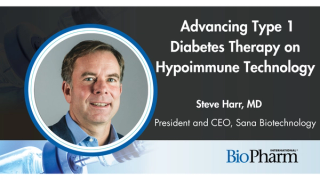
Dr Steve Harr of Sana Biotechnology describes how converging islet transplant science makes a single-treatment cure for type 1 diabetes without immunosuppression an inevitable outcome.

The facility aims to scale global biologics supply, supporting patient access to advanced therapies as manufacturing capacity becomes a bottleneck in drug delivery.

Nonhealing wounds precede 80% of diabetes-related amputations, and BIOxHEAL is now cleared to test whether it can change that in a controlled trial.

The FDA has cleared Satellite Bio's IND application for SB-101, an off-the-shelf hepatocyte cell therapy for urea cycle disorders, marking the company's transition to clinical-stage status ahead of a planned Phase 1/2 trial in infants later this year.
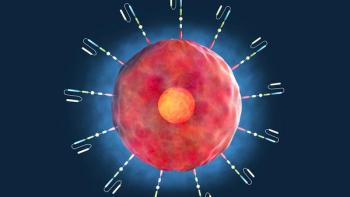
Kyverna Therapeutics and ElevateBio have entered a commercial manufacturing and supply agreement for miv-cel, Kyverna's autologous CD19-targeting CAR T-cell therapy, securing scalable production ahead of a planned launch in stiff person syndrome.
Sana Biotechnology's CEO, Dr Steve Harr, weighs in on how CRISPR-edited donor islet cells have survived 14 months without immunosuppression in a type 1 diabetes patient.

Oblenio Bio has dosed the first patients in a phase 1a trial of tri-specific T-cell engager LBL-051 for refractory autoimmune disease.

Rocket Pharmaceuticals has reported a positive safety update for RP-A501 from the first 3 patients treated under a modified phase 2 protocol in Danon disease.

Novo Nordisk's ziltivekimab failed to reduce cardiovascular events in the phase 3 ZEUS trial despite confirmed IL-6 target engagement.
Collaboration between suppliers and developers, as well as viral vector manufacturing simplification, are becoming critical to CGT's commercial future, says Brandon Pence of FUJIFILM Biosciences.

Carrie Bracco, head of business development, US, Novartis Contract Manufacturing, explains why manufacturing flexibility is becoming as important as capacity for emerging biotechnology companies navigating biopharmaceutical development and contract manufacturing decisions.
In this episode, Ron Lanton argues that healthcare's next constraint isn't capital or technology but rather people.

Ahead of a July 29 FDA advisory committee meeting, the FDA released briefing documents disputing Capricor Therapeutics' claim that its Phase 3 HOPE-3 trial of deramiocel, a cell therapy for Duchenne muscular dystrophy cardiomyopathy, met its primary and secondary efficacy endpoints, a disagreement centered on which version of the trial's statistical analysis plan should govern the results.
AbelZeta has received FDA RMAT clearance for a registrational phase 2 trial of its bispecific CAR-T therapy, C-CAR168, in refractory lupus nephritis.

GSK will invest £400 million (US$532 million) in a new Cambridge, UK, R&D center, relocating from Stevenage amid second quarter earnings and a cost-savings plan.

Webcasts
Webinar Date/Time: Fri, Aug 21, 2026 11:00 AM EDT
Brandon Pence, FUJIFILM Biosciences' president and chief operating officer, identifies cell consistency and viral vector capsid fill ratios as the 2 most critical unresolved hurdles in CGT manufacturing scale-up.
Veraxa Biotech has advanced its bispecific antibody-drug conjugate program VXA-222 into its next development phase after OmniAb completed discovery work under their May 2025 collaboration, creating a dual-antigen "AND-gate" candidate designed to improve precision in solid tumor treatment.

As biopharmaceutical manufacturing becomes increasingly automated, real-time analytical data is poised to transform how manufacturers monitor processes, make decisions, and optimize production. Bryan Hassell, founder and CEO of Nirrin Technologies, discusses why trusted, continuous measurements will be essential to the next generation of digital biomanufacturing.

A Phase 1 trial of DYP688, a first-in-class antibody-drug conjugate targeting the Gq/11 pathway, showed disease control in more than 80% of patients with metastatic uveal melanoma and was well tolerated, according to findings published in Nature Medicine, even after Novartis halted the drug's development.
A new peer-reviewed publication in Clinical Cancer Research details preclinical data for Pheast Therapeutics' PHST001, an anti-CD24 monoclonal antibody, showing anti-tumor activity across six solid tumor types and enhanced effects when combined with chemotherapy, radiotherapy, and antibody-drug conjugates.

The European Medicines Agency has granted orphan designation to Atsena Therapeutics' ATSN-101 and ATSN-201, AAV gene therapies for Leber congenital amaurosis 1 and X-linked retinoschisis, as both programs advance toward pivotal Phase 3 trials.
Advertisement
Advertisement
Trending on BioPharm International
1
Alvotech, Advanz Submit First Eylea 8 mg Biosimilar Bid
2
Lilly's Mirikizumab (Omvoh) Hits New IBD Remission Goals
3
FDA Expands Anktiva Approval to Papillary-Only BCG-Unresponsive Bladder Cancer
4
FDA Accepts BLA for Formycon and Zydus’ FYB206, the First Publicly Announced Keytruda Biosimilar Under Review
5