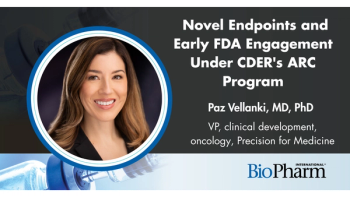
Former FDA oncology reviewer Paz Vellanki, MD, PhD, of Precision for Medicine, discusses how CDER's ARC program supports novel end points such as ctDNA for rare diseases and why sponsors should engage FDA early.
In the biopharma industry during 2025, quality, tariffs, MFN pricing, and strategic outsourcing deals drove innovation and investment.
The year 2025 marked a period of rapid and intense transformation in the biopharmaceutical industry, driven by immense pressure coming from both internal operations and external political forces. The top stories highlighted three core themes that defined this shifting landscape: Manufacturing, Politics, and the essential power of Partnerships.
Inside the factory, companies aggressively focused on rewriting their playbooks for quality and efficiency. A key manufacturing priority centered on establishing a
Concurrently, the industry grappled with a complex external environment dominated by regulatory scrutiny and dramatic political shifts. Regulatory actions were sharp, as demonstrated by the FDA issuing a
To manage these challenges, collaboration evolved into the industry’s biggest asset. The specialized needs of
Editor's note: This transcript is a lightly edited rendering of the original audio/video content. It may contain errors, informal language, or omissions as spoken in the original recording.
Looking back at 2025’s top biopharma articles, one thing’s for sure; the industry was transforming fast. The story they told, it was one of immense pressure coming from both inside the labs and out. Really, three big themes popped up again and again. Manufacturing, politics, and the power of partnerships.
So first up, inside the factory, companies were totally rewriting their playbooks for quality and efficiency. One top article on clean rooms really drove this point home. Patient safety absolutely begins with zero contamination. And this wasn't just about one area. Innovation was happening everywhere from upstream development to downstream purification.
The sustainability debate was huge. You had single-use systems saving water versus stainless steel, creating less plastic waste, and the pressure to shorten timelines that pushed for major downstream innovations to improve efficiency and consistency. But the factory floor was only half the story. The industry was also playing a complex political game.
Regulatory scrutiny was really high. The FDA hit both Sanofi and Atara with actions over their manufacturing practices, government moves on tariffs and drug pricing. They forced huge shifts in corporate strategy and investment. I mean, just look at Eli Lilly, their US manufacturing investment shot past $50 billion.
So to handle all this, the industry turned to its biggest asset collaboration, and that's our third theme. And the scale of these partnerships was massive. Just look at Samsung Biologics, $1.4 billion deal. It wasn't just about manufacturing either. Key deals focused on co-developing brand new drug candidates.
Together this all points to a bigger shift. Outsourcing wasn't just transactional anymore, it was becoming about true partnership. So when you put it all together, you can really see how these forces shaped the entire year. You had innovation inside the factory, pressure from the outside, and collaboration, kind of tying it all together.
That blend of tech, politics, and partnership defined 2025, which leaves just one big question. What's next?