



Manufacturing
Latest News
Advertisement
Review of SUT Adoption in Biopharma Manufacturing
The evolution of therapeutic modalities drives the adoption of single-use technologies.

Moving Biosimilars Forward in a Hesitant Market
Despite a growing number of biosimilar approvals, market uptake remains a challenge.

Automating the Future of Fill/Finish
Given the criticality of fill/finish processes, it is clear that automation is the next technological step.

Latest Videos





Advertisement
More News

Phase 3 data from AstraZeneca show IL-33 inhibition reduces COPD exacerbations across broad populations, supporting a new biologic approach beyond eosinophil-driven disease.

The hub will integrate the company’s manufacturing and R&D in China to streamline CAR-T development while addressing scalability and accelerating regional access to advanced therapies.

Phase III data show retatrutide reduces HbA1c and body weight, supporting triple-agonist strategies for metabolic disease treatment.

The current Middle East conflict is disrupting Gulf air and sea hubs, forcing bio/pharma firms to reroute cold-chain drug shipments and raising risks of oncology medicine shortages.

Results from a head-to-head study highlight cytokine-targeting differences between UCB’s bimekizumab and risankizumab, strengthening evidence for dual IL-17 blockade in psoriatic arthritis therapy

The new clinical data show biomarker reductions and new motor milestones with salanersen, which supports once-yearly antisense therapy development in spinal muscular atrophy.

The launch of a new mRNA biotech spinout signals a structural shift in how next-generation RNA therapeutics are developed and commercialized.

Updated analysis from the COMPASSION-03 Phase II trial links response depth to survival, which supports PD-1/CTLA-4 bispecific checkpoint strategies in heavily pretreated cervical cancer.

Under the partnership, INOVIO and Akeso will evaluate DNA-encoded tumor antigen priming plus PD-1/CTLA-4 bispecific blockade in an adaptive Phase II trial for glioblastoma.

Webcasts
Webinar Date/Time: Thu, Mar 19, 2026 11:00 AM EDT

Webcasts
Webinar Date/Time: Fri, Mar 20, 2026 11:00 AM EDT

Webcasts
Webinar Date/Time: Tue, Mar 17, 2026 11:00 AM EDT

CGT Catapult’s newly formed advisory board aims to address manufacturing, data, and regulatory constraints influencing scalable development and clinical deployment of ATMPs.

Trust-based CDMO partnerships are becoming essential to accelerate injectable drug development, manage risk, and ensure resilient biopharma supply.
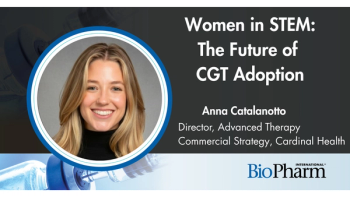
In the final installment of an interview with Cardinal Health’s Anna Catalanotto, she discusses how leveraging real-world evidence and advanced value-based reimbursement models can optimize clinical adoption and long-term sustainability of CGTs.

In part two of an interview, Cardinal Health’s Anna Catalanotto discusses how collaboration, payer education, and streamlined treatment-site workflows accelerate patient access to complex cell and gene therapies.

Carrie Mason with Lonza Integrated Biologics discusses how PAT and AI are transforming biomanufacturing with predictive, integrated bioprocessing that speeds complex biologics through to clinic.

FDA’s acceptance of Precision BioSciences’ IND advances ARCUS gene excision toward clinical validation, signaling progress for durable DMD therapies.

In part one of an interview with Cardinal Health’s Anna Catalanotto, Catalanotto outlines how early, payer-informed commercialization planning keeps cell and gene therapies accessible and financially viable.

PharmaResearch’s DOT-based nanoparticle platform enters US clinical testing, highlighting delivery innovation aimed at improving tolerability in solid tumor therapies.

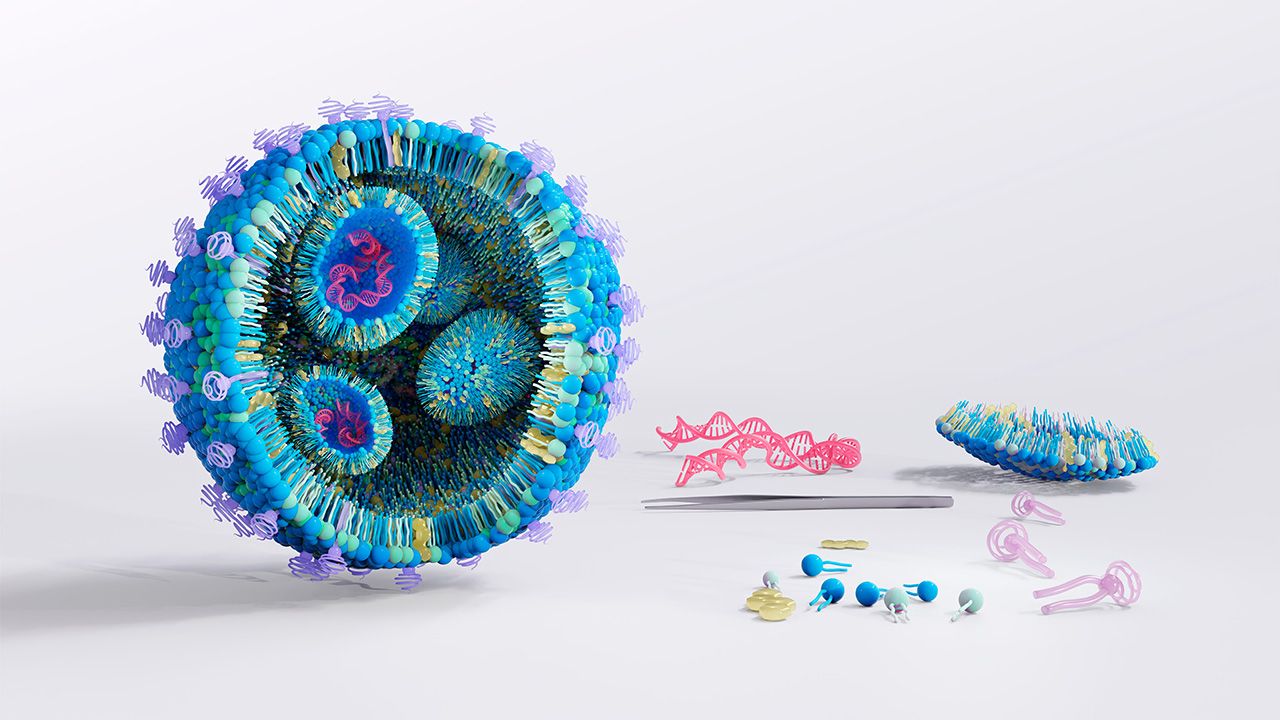
NeoVac first-in-human data suggest that optimized lipid nanoparticles may improve mRNA tolerability, enabling repeat dosing and broader therapeutic use.

Integrated CDMO networks streamline complex drug development across advanced modalities like ADCs.

The Eisai–Henlius partnership expands Japan’s access to a differentiated PD-1 antibody, highlighting cross-border oncology deals targeting high unmet need.

A new Cellares–Stanford collaboration aims to demonstrate how automated platforms could standardize gene-edited stem cell manufacturing and accelerate clinical translation.

The SK bioscience–Gates MRI agreement highlights how scalable mAbs could broaden infant RSV prevention beyond high-income markets.
Advertisement
Advertisement
Trending on BioPharm International
1
T-Therapeutics Raises $133 Million to Take TCR Bispecifics Into the Clinic
2
The BioPharm Brief: Ivonescimab Priority Review in China, Stargardt Gene Therapy Moves Toward Phase 3, and Longer Dosing Intervals for an IBD Bispecific
3
Boehringer Ingelheim Licenses Six Preclinical ADC and T-Cell Engager Programs From SBP Group in Deal Worth Up to $7 Billion
4
China Grants Ivonescimab Priority Review in Biliary Tract Cancer
5