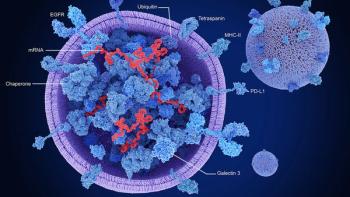
Nuravax will test AV-1959R in a 160-adult phase 2 trial to see whether the amyloid vaccine can prevent Alzheimer disease before symptoms begin.
Key 2025 FDA draft and final guidances emphasize the modernization of biotech regulations, acceleration of rare-disease therapies, and streamlining of biosimilar pathways.
The year 2025 marked a significant acceleration in the regulatory evolution of the biopharmaceutical industry, driven largely by a
The recommendations in these draft guidances apply to human cells and tissues recovered since May 25, 2005 and update older guidance by revising donor screening protocols, including reducing certain time-based risk factors and conditions.
Following the initial focus on viral risks at the start of the year, FDA expanded its scrutiny over HCT/P safety in May 2025 by issuing two new draft guidances targeting bacterial and chronic infections: sepsis and Mycobacterium tuberculosis (Mtb). The draft guidance regarding sepsis transmission aimed to assist establishments in understanding requirements for determining donor eligibility by updating information on clinical evidence of sepsis and clinical signs to consider during screening (5). Similarly, the draft guidance on Mtb provided recommendations for screening HCT/P donors for evidence of, and risk factors for, infection with the pathogen that causes tuberculosis (6). This Mtb guidance also recommended additional steps that establishments should take to reduce transmission risk until appropriate FDA-licensed, approved, or cleared donor screening tests become available.
The regulatory momentum continued into July 2025, pushing for an update in protocols for blood donations used in manufacturing. This draft guidance, Recommendations for Testing Blood Donations for Hepatitis B Surface Antigen, provided recommendations for blood establishments collecting blood and blood components, including source plasma, on how to test for hepatitis B surface antigen (HBsAg) to mitigate the risk of transfusion-transmitted HBV (7). The final guidance would supersede the prior HBsAg testing recommendation issued in October 2012, reflecting evolving diagnostic capabilities and risk reduction strategies in blood product manufacturing (7).
September 2025 was arguably the most impactful month for regulatory clarity, featuring a cascade of both final and draft guidances that touched every major sector of biopharma, particularly biosimilars and cell and gene therapies (CGTs).
On the biosimilar front, FDA finalized two key documents (8,9). The Classification Categories for Certain Supplements Under BsUFA III (Biosimilar User Fee Amendments of 2022) guidance provided recommendations on categories A through F for original and resubmitted prior approval supplements for biosimilar and interchangeable biosimilar products. This final guidance helps applicants identify the appropriate classification category and associated review goal date under BsUFA III (8).
Simultaneously, FDA finalized the guidance on Development of Therapeutic Protein Biosimilars: Comparative Analytical Assessment and Other Quality-Related Considerations (9). This guidance describes the agency’s recommendations on the design and evaluation of comparative
The agency in September solidified its commitment to accelerating and monitoring CGTs. CBER released two crucial draft guidances: Innovative Designs for Clinical Trials of Cellular and Gene Therapy Products in Small Populations and Postapproval Methods to Capture Safety and Efficacy Data for Cell and Gene Therapy Products (10,11).
The clinical trials draft guidance provides recommendations for sponsors planning
The latter guidance mandates efficient, long-term CGT postapproval monitoring, utilizing modern tools like
Also in September, FDA issued a draft guidance establishing a critical framework for the expedited development and review of regenerative medicine therapies targeting serious or life-threatening conditions. Grounded in the 21st Century Cures Act, this draft offers biopharma sponsors
Continuing the drive for biosimilar efficiency, October 2025 saw the release of a draft guidance describing considerations regarding comparative clinical studies with efficacy endpoints (CES) intended to support a demonstration of biosimilarity (13). Clarity on the necessity (or lack thereof) of a CES can drastically reduce development time and cost, provided analytical and functional similarity is robustly demonstrated. The
December 2025 encapsulated the year’s themes of efficiency, modernization, and appropriate market conduct, starting with the release of the draft guidance, Monoclonal Antibodies: Streamlined Nonclinical Safety Studies (14). This guidance provides recommendations for streamlined approaches to assess the long-term safety of monospecific mAbs. The document describes scenarios for which general toxicology studies are unnecessary or may be limited to short-term assessments. This mAb draft guidance highlights a significant FDA push toward
Finally, FDA solidified guidelines for how biosimilar products are communicated to the market, issuing a final guidance addressing questions that stakeholders may have when developing FDA-regulated promotional materials (15). The guidance aims to ensure that information presented about reference products or biosimilar products in promotional communications is accurate, truthful, and non-misleading,.
The 2025 regulatory landscape, shaped profoundly by these new FDA guidances and drafts, demonstrates a regulatory body committed to nuance and modernization. FDA has provided a definitive, forward-looking regulatory blueprint. These regulatory developments solidify 2025 as a pivotal year for the biopharmaceutical industry.
1. FDA.
2. FDA.
3. FDA.
4. FDA.
5. FDA.
6. FDA.
7. FDA.
8. FDA.
9. FDA.
10. FDA.
11. FDA.
12. FDA.
13. FDA.
14. FDA.
15. FDA.