





The CDC has narrowed pediatric vaccine guidance, resetting evidence expectations and signaling potential shifts in vaccine uptake and market demand.
Accurately targeted immunotherapies through reliable neoantigen recognition enable personalized medicine development.

Proprietary cell lines offer opportunities for achieving high AAV titers.

In the ATMP space, CGTs are hitting their stride with unprecedented approvals in the past year alone.

The CDC has narrowed pediatric vaccine guidance, resetting evidence expectations and signaling potential shifts in vaccine uptake and market demand.

China’s authorization of GSK’s Nucala (mepolizumab) for treating COPD signals regulatory momentum for precision respiratory medicines in the country.

The company’s Phase III setrusumab trials in osteogenesis imperfecta missed fracture endpoints but showed strong bone density gains.
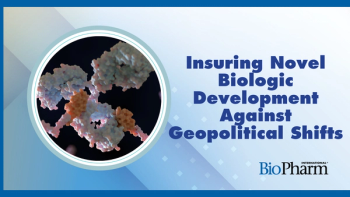
In the final part of an interview with Petra Dieterich and Jeffrey Mocny of Abzena, the current tariff situation in the United States and beyond is considered.

Key 2025 FDA draft and final guidances emphasize the modernization of biotech regulations, acceleration of rare-disease therapies, and streamlining of biosimilar pathways.

The complications of conjugate molecules, such as oligonucleotides, are explored in this second portion of an interview with Abzena experts.

In the first part of an extended video interview, Petra Dieterich and Jeffrey Mocny of Abzena emphasize that every part of the process of developing novel biologics is designed to bring them to humans not just quickly, but also safely.

A look at interchangeable biosimilars gaining FDA approval, the growth in global partnerships, and the rising biologics patent cliff.

EMA Director sees new legislation as an opportunity to revamp policies.

Advances in precision analytics have pushed the needle forward in characterizing and assessing the safety and quality of next-gen biologics.

This past year in biologics was marked by clinical trends, manufacturing scalability, and regulatory acceleration for antibody therapeutics.

Norgine has gained regional rights to Vir Biotechnology’s hepatitis delta drug pairing, strengthening late-stage antiviral development across Europe, Australia, and New Zealand.

European regulators authorize AstraZeneca’s anifrolumab pen for lupus, reinforcing industry momentum toward self-injected biologics and decentralized immunology care.

Surface modification with targeting ligands increases the advantages offered by nanoscale delivery.

Fondazione and Orphan Therapeutics outline a US access model for Waskyra, highlighting new approaches to manufacturing, distribution, and sustainability.

Charles River has launched a second cohort to speed CGT innovation with technical guidance and scalable manufacturing support.

The new GSK–Oxford BioTherapeutics partnership capitalizes on proteomics-driven oncology target discovery for advancing antibody therapeutics development.

FDA’s approval of the first Wiskott-Aldrich gene therapy signals a shift in manufacturing and regulatory standards for rare-disease CGTs.

FDA’s clearance of a chemically enhanced stem cell therapy for severe aplastic anemia drives forward cell therapy development and manufacturing innovation.
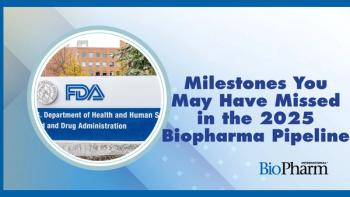
Priority review, RMAT, and breakthrough status were key regulatory actions intensely accelerating advanced next-gen therapy development in 2025.


Under the expanded agreement, the companies are targeting amyloid removal strategies to address unmet needs in rare diseases.

siRNA-based cell reprogramming shows potential to improve metabolic health with durable effects, signaling a notable development for future therapeutic strategies.
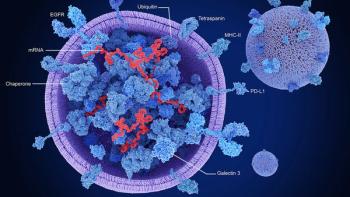
Engineered exosomes could reshape therapeutic development by redefining delivery, manufacturing models, and regulatory standards.

FDA outlines reduced primate testing for monoclonal antibodies, signaling a shift toward modern evaluation tools that may influence drug development practices.