




Development
Latest News

Advertisement
Research into Cold Cancers Heating Up
Accurately targeted immunotherapies through reliable neoantigen recognition enable personalized medicine development.

Proprietary Cell-Line Development for High-Titer AAV Manufacturing
Proprietary cell lines offer opportunities for achieving high AAV titers.

Bracing for a Future Wave of Advanced Therapies
In the ATMP space, CGTs are hitting their stride with unprecedented approvals in the past year alone.

Latest Videos


Advertisement
More News
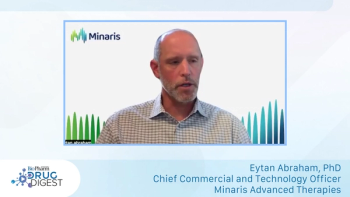
Minaris Advanced Therapies’ Dr. Eytan Abraham joins the discussion on how the biopharmaceutical industry is revolutionizing the design, durability, and global scalability of new biotherapeutic modalities through innovations in molecule design and next-generation delivery platforms.

CHMP has supported intrathecal onasemnogene abeparvovec, Novartis' gene therapy for 5q SMA in patients aged 2 years and older in the EU.

Webcasts
Webinar Date/Time: Thu, May 21, 2026 11:00 AM EDT
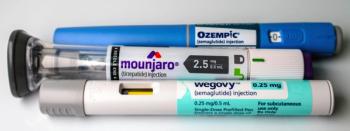
Phase 3a PIONEER TEENS data show oral semaglutide significantly improved glycemic control in adolescents with type 2 diabetes, addressing a major unmet need in pediatric care. Novo Nordisk plans regulatory submissions in the US and EU, positioning the therapy as a potential first oral GLP-1 option for this population.
The FDA’s approval of Dupixent (dupilumab) for the pediatric patient population extends the biologic’s use beyond its previous indication in adults and adolescents aged 12 years and older, marking the first biologic option available in the United States for younger children with uncontrolled chronic spontaneous urticaria.

A2 Biotherapeutics will present early A2B694 and EVEREST-2 updates at ASCO 2026 in HLA-A*02 LOH solid tumors.

Dr. Alan Smith of Charles River Laboratories explains why early manufacturing planning and scalable processes are critical to ensure successful commercialization of complex cell and gene therapies as part of his panel discussion at INTERPHEX 2026.

CytoDyn Inc. reported early Phase 2 data at the American Association for Cancer Research Annual Meeting 2026 showing that leronlimab in combination with TAS-102 and bevacizumab demonstrated biomarker activity, including reductions in circulating tumor DNA, in patients with metastatic colorectal cancer.

Johnson & Johnson reported that nipocalimab (Imaavy) demonstrated sustained disease control and reductions in pathogenic IgG levels through more than two years in patients with generalized myasthenia gravis. Patients who achieved sustained minimal symptom expression showed greater quality-of-life improvements, while a new head-to-head trial comparing nipocalimab with another FcRn inhibitor is now underway.

Amneal’s acquisition of Kashiv is expected to advance biosimilar development capacity, which in turn would support access to biologics amid an anticipated wave of loss-of-exclusivity patents globally.

The FDA has accepted Roche’s application for Gazyva/Gazyvaro in systemic lupus erythematosus (SLE), based on Phase III data showing significant reductions in disease activity and improved remission rates. If approved, the anti-CD20 therapy could become the first B cell–targeting treatment for SLE and a potential new standard of care.

AstraZeneca reported that its IL-33-targeting biologic tozorakimab significantly reduced exacerbations in Phase III trials of chronic obstructive pulmonary disease, reinforcing its potential as a first-in-class treatment. The results add to growing evidence that the therapy could address persistent unmet needs in COPD patients who continue to experience exacerbations despite standard care.

Boehringer Ingelheim is expanding its investment in AI for R&D in London to advance computational approaches to disease biology and drug discovery in biopharmaceuticals.

The FDA has granted Priority Review to the combination of Padcev and Keytruda as a perioperative treatment for muscle-invasive bladder cancer, with a decision expected by Aug. 2026. Phase 3 trial results showed the regimen significantly improves survival outcomes and could become a new standard of care regardless of cisplatin eligibility.

Eli Lilly and Company is acquiring Kelonia Therapeutics for up to $7 billion to expand its genetic medicine portfolio, centered on Kelonia’s in vivo CAR T-cell therapy platform that generates therapies directly inside the patient. The deal is driven by early clinical promise of KLN-1010 in multiple myeloma and aims to overcome manufacturing and access limitations associated with traditional CAR T treatments.

New data from Immunocore show that its bispecific protein, tebentafusp-tebn, demonstrated durable 5-year survival benefit in uveal melanoma, which highlights TCR therapies and ctDNA as emerging tools in oncology.
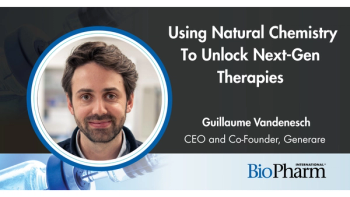
Expanding natural chemical space may improve AI drug discovery by providing biologically relevant data to generate more clinically impactful therapeutics, says Guillaume Vandenesch, CEO and co-founder of Generare, in this exclusive interview.

The company has identified a new glycan-based AML target that will be used to support the company’s CAR-NK development, which it expects will advance selective immunotherapy strategies in leukemia.

Marengo Therapeutics reported early Phase 2 activity for its invikafusp alfa combination in metastatic breast cancer and highlighted progress across its Selective T Cell Activation Repertoire (STAR) platform at the 2026 American Association for Cancer Research (AACR) Annual Meeting.

Roche plans a Phase III study of Elevidys to generate additional data for European approval and expand access for patients with Duchenne muscular dystrophy. The trial will evaluate efficacy and safety in ambulatory boys, aiming to strengthen clinical evidence and enable broader approval and reimbursement.

Eli Lilly and Company reported that its oral GLP-1 therapy orforglipron met the primary cardiovascular safety endpoint in a Phase 3 trial, while also delivering superior A1C reduction and weight loss compared with insulin glargine. The drug additionally showed a substantial reduction in all-cause mortality in a pre-planned analysis, supporting plans for FDA submission in type 2 diabetes.
Savara’s inhaled GM-CSF therapy for autoimmune PAP faces delayed review, potentially postponing access to a treatment targeting impaired lung function

PrecisionLife and Ovation.io are partnering to translate multi-omic analyses of GLP-1 receptor agonist use into predictive biomarker tools, with early findings indicating distinct biological drivers of glycemic control and weight loss and supporting development of diagnostic tests to guide treatment selection and clinical trial stratification.
Updated Phase 1/2 data show trastuzumab pamirtecan achieved an objective response rate of around 50% and disease control exceeding 90% in heavily pretreated patients with HER2-expressing recurrent endometrial cancer, with responses observed across varying levels of HER2 expression and duration of response not yet reached.
Verismo will use the funding to advance Phase I programs using NK-inspired signaling approaches to improve persistence and activity of engineered T cells in solid tumors and blood cancers.
Advertisement
Advertisement
Trending on BioPharm International
1
Treasury Proposes Adding Biotech to Outbound Investment Restrictions Under COINS Act
2
BioNTech, BMS to Pair Pumitamig With Trodelvy in Phase 3 First-Line TNBC Trial
3
TaiMed’s Anti-CD4 Antibody TMB-365 Reduces HIV Viral Load in Phase 1, Supporting Long-Acting Combination Regimens
4
FDA Grants Accelerated Approval to Ultomiris as First C5 Inhibitor for IgA Nephropathy
5