
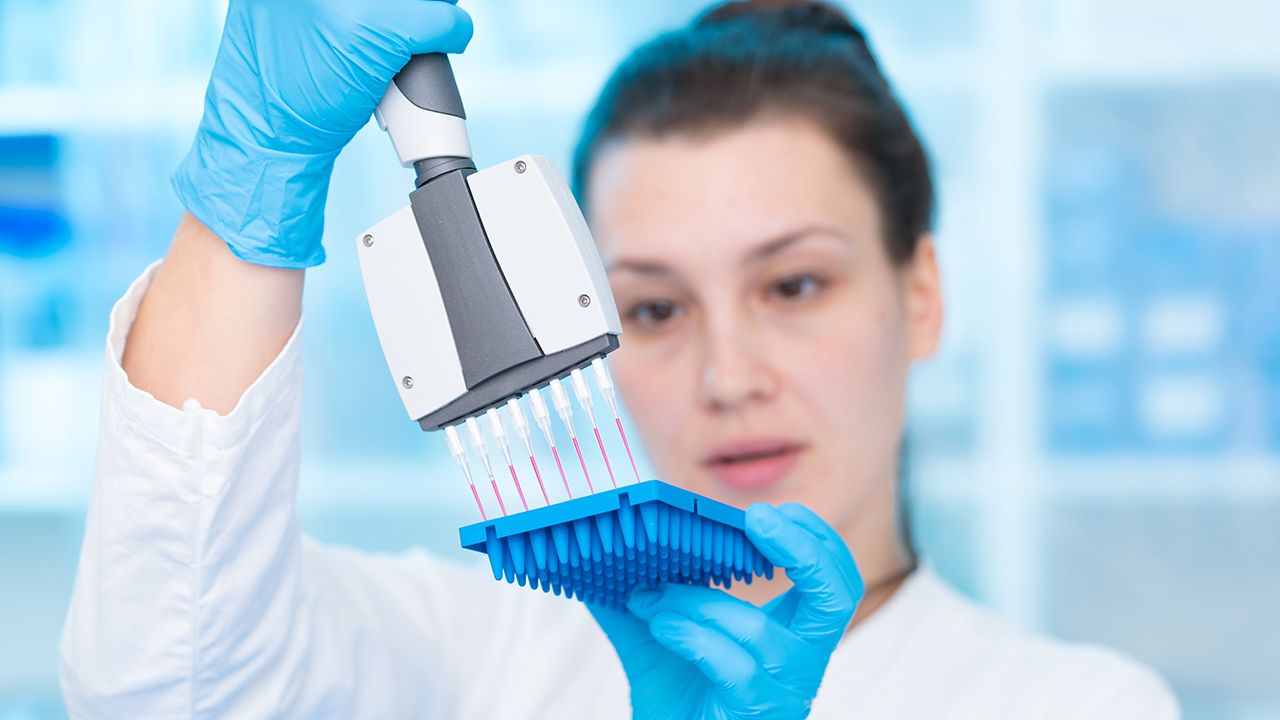

Cytiva will provide the first FlexFactory to be used in the manufacture of pDNA to Akron Bio.
The evolution of therapeutic modalities drives the adoption of single-use technologies.
Despite a growing number of biosimilar approvals, market uptake remains a challenge.

Given the criticality of fill/finish processes, it is clear that automation is the next technological step.
Cytiva will provide the first FlexFactory to be used in the manufacture of pDNA to Akron Bio.
Virtual Touring allows companies to inspect and visit vendor and contract partner sites remotely during the COVID-19 pandemic.
The companies are entering into an agreement for the late-stage development and large-scale manufacturing of AZD7442, AstraZeneca’s investigational product for treatment and prevention of COVID-19.

Automation, digitalization, and supply-chain strategies help mitigate vulnerabilities in both autologous and allogeneic cell therapy manufacturing.
An innovation such as synthetic biology can develop a consistently stable starting cell line for cell therapy source material.
Bioreactor technology advances can offer seamless manufacturing scale-up and can reduce the timeline and cost of biologics production.
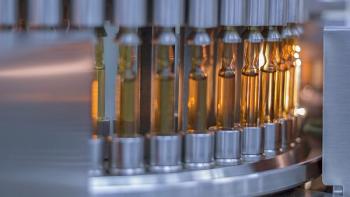
Fill/finish inspection for vaccine vials and syringes must remain GMP-compliant while aiming for fast, efficient methods.
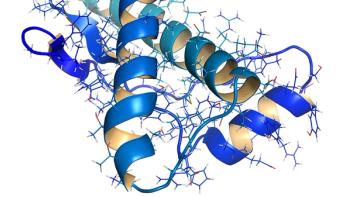
Glycoengineering is growing in importance as a technique to improve antibody therapeutic efficacy, safety, and product quality.
The technology is a novel, plasmid-free manufacturing system for robust and reproducible manufacture of AAV at scale.
A clinical trial to enroll up to 10,000 volunteers across the UK will assess whether NVX-CoV2373 is effective in the prevention of COVID-19.
UK's Prime Minister visited the site of the country’s VMIC in Oxfordshire, and met the teams working at the forefront of the national COVID-19 response.
A Phase III trial to evaluate safety and efficacy of Janssen’s COVID-19 vaccine candidate, JNJ-78436735, also known as Ad26.COV2.S, is enrolling participants on three continents.
Samsung will offer large-scale commercial manufacturing for drug substance and drug products to support AstraZeneca’s biologics therapeutics capabilities in the Asia-Pacific region.
The collaboration will expand the manufacturing capacity for lenzilumab, a COVID-19 therapeutic candidate, in advance of a potential Emergency Use Authorization in 2020.
The agreement will Increase global manufacturing capacity for Novavax’s vaccine candidate, NVX-CoV2373, to more than two-billion annualized doses when at full capacity in 2021.
The agreement between the two companies will significantly increase global supply capacity for Lilly's potential COVID-19 treatments.
The Russian Direct Investment Fund has announced three deals with India, Brazil, and Mexico, for the supply of doses of Sputnik V, a potential COVID-19 vaccine.
The investment will include new manufacturing lines and increased automation to deliver additional manufacturing capacity.
Clinical trials for AZD1222 coronavirus vaccine resume in the UK as per guidance by MHRA.
The investment at its Madison, WI, facility will expand MilliporeSigma’s capacity for high-potent active pharmaceutical ingredient production and allow for continuous flow manufacturing of ADCs.
The company is investing $130 million to add Phase III through commercial-scale manufacturing suites to its gene therapy campus in Harmans, MD.
Alcami will provide services for Trevena’s OLINVYK (oliceridine) injection, an opioid approved for the management of acute pain severe enough to require an intravenous opioid analgesic in adults.
The companies have entered into a strategic partnership for the CMC development and manufacturing of Ansun’s biologics pipeline.
The companies will collaborate on the production of a novel anti-SARS-CoV-2 immunoadhesin in iBio’s FastPharming manufacturing system.
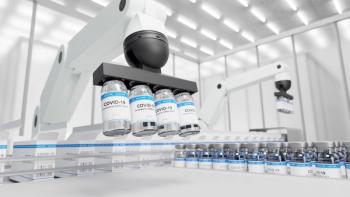
Rapid scale-up to billions of doses requires collaborative, all-out efforts by innovators, their manufacturing partners, and the entire supply chain.