
Biopharma can apply new manufacturing practices adopted during the COVID-19 pandemic to enhance bioprocessing.
The evolution of therapeutic modalities drives the adoption of single-use technologies.
Despite a growing number of biosimilar approvals, market uptake remains a challenge.

Given the criticality of fill/finish processes, it is clear that automation is the next technological step.
Biopharma can apply new manufacturing practices adopted during the COVID-19 pandemic to enhance bioprocessing.

The agreement will provide capacity for the manufacturing of AZD7442, currently being developed for the potential prevention and treatment of COVID-19, at Lonza's Portsmouth, NH site.

Continuous SEC was shown to increase productivity with the same product quality and yield.

PAT advances are enabling improved process understanding, process control, and error prevention.
Successful migrations require careful planning to meet business needs and maintain data integrity.
The shift to single-use technologies is driving the need for innovation in PAT-friendly sensor technologies.

Collecting and analyzing data are crucial for creating efficient, automated bioprocesses.
3P Biopharmaceuticals, and Oxford University spin-out, SpyBiotech, have signed a vaccine contract manufacturing agreement.
Catalent has signed an agreement with Bone Therapeutics for the acquisition of Skeletal Cell Therapy Support SA (SCTS).
The Phase III clinical trial of NVX-CoV2373 is expected to be fully enrolled in the UK and will begin in the US and Mexico by the end of November 2020.
Edge-AI technology will enable Industry 4.0 automation in pharmaceutical manufacturing.
The company’s new closed cell therapy processing system enables scalable, cost-effective development and manufacturing of cell therapies.
The new VirusExpress lentiviral production platform increases dose yields and reduces process development time for cell and gene therapies.
The new facility at the company’s San Diego, CA, site will be for late phase and commercial CGMP manufacturing.
FDA’s final CMC guidance sets expectations for manufacturing and quality for human gene therapy INDs. This article reviews existing analytical applications, focusing on viral vector characterization of impurities.
Cytiva will provide the first FlexFactory to be used in the manufacture of pDNA to Akron Bio.
Virtual Touring allows companies to inspect and visit vendor and contract partner sites remotely during the COVID-19 pandemic.
The companies are entering into an agreement for the late-stage development and large-scale manufacturing of AZD7442, AstraZeneca’s investigational product for treatment and prevention of COVID-19.

Automation, digitalization, and supply-chain strategies help mitigate vulnerabilities in both autologous and allogeneic cell therapy manufacturing.
An innovation such as synthetic biology can develop a consistently stable starting cell line for cell therapy source material.
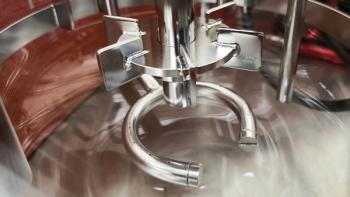
Bioreactor technology advances can offer seamless manufacturing scale-up and can reduce the timeline and cost of biologics production.
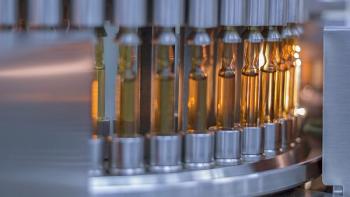
Fill/finish inspection for vaccine vials and syringes must remain GMP-compliant while aiming for fast, efficient methods.
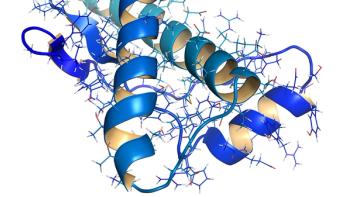
Glycoengineering is growing in importance as a technique to improve antibody therapeutic efficacy, safety, and product quality.
The technology is a novel, plasmid-free manufacturing system for robust and reproducible manufacture of AAV at scale.