




Saint-Gobain Performance Plastics Corporation (Aurora, OH) has acquired the assets of J & J Scientific Products, Inc. (Tampa, FL), a manufacturer of disposable plastic products for the biopharmaceutical market.
The evolution of therapeutic modalities drives the adoption of single-use technologies.
Despite a growing number of biosimilar approvals, market uptake remains a challenge.

Given the criticality of fill/finish processes, it is clear that automation is the next technological step.
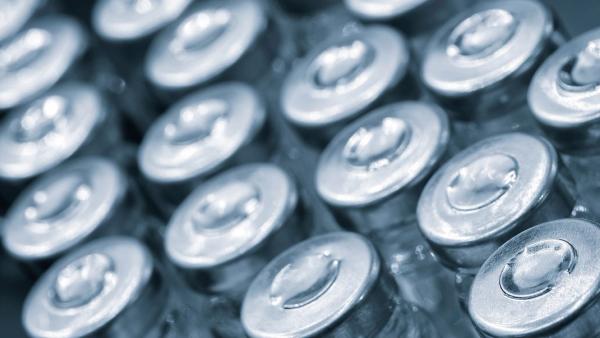
Saint-Gobain Performance Plastics Corporation (Aurora, OH) has acquired the assets of J & J Scientific Products, Inc. (Tampa, FL), a manufacturer of disposable plastic products for the biopharmaceutical market.
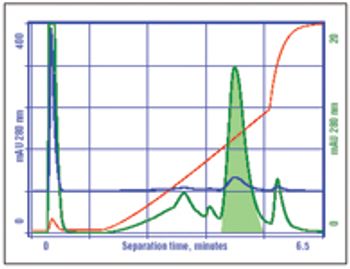
Manufacturing challenges surround the use of IgM monoclonal antibodies, but these can be overcome with current technology.
An alternative approach to traditional Protein A schemes is comparable in overall efficiency, product recovery, and quality.
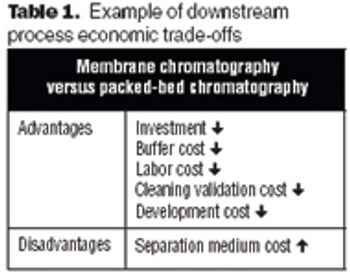
The future of therapeutic MAbs lies in the development of economically feasible downstream processes.
If certain engineering challenges can be addressed, precipitation may prove to be a valuable tool for antibody purification.
When platform processes are applied to fusion molecules, innovation and flexibility are needed.

India is restructuring its regulation of biopharmaceuticals to help the country's industry compete internationally.
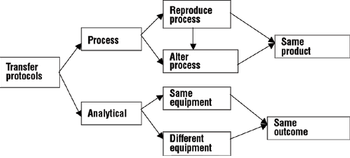
A comprehensive process and analytical transfer package can speed up your product's time to market and save costs.
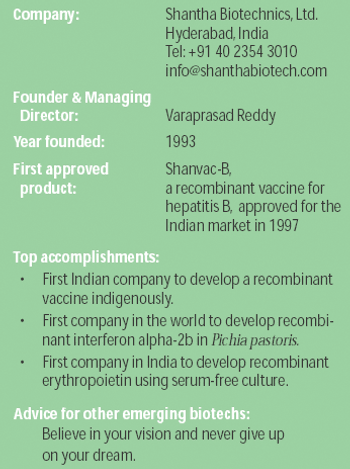
How an electronics engineer led the first Indian company to carry out indigenous development of a recombinant vaccine.
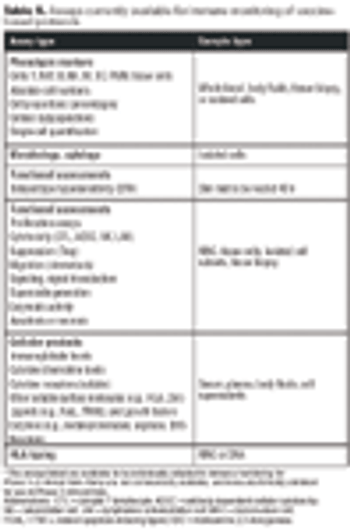
Emerging therapies pose challenges for standardizing QC.
Need a standard to follow? Just ask, What would Genentech do?
Genentech has been notified that their Cabilly patent claim has been rejected by the US Patent and Trademark Office.

Two case studies illustrate a systematic approach.

The use of disposables has changed significantly in the biopharmaceutical industry.
Best practices from Big Biotech, including how to handle new product introductions.
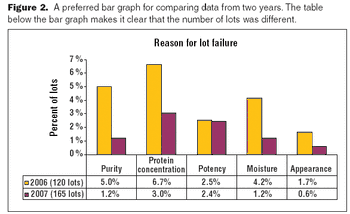
The key to a good graphical presentation is to select the method that best fits the data.
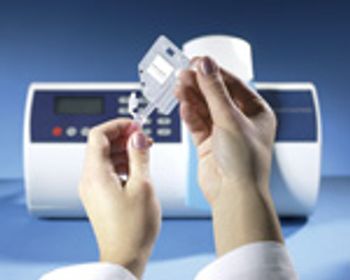
The automated NucleoCounter from New Brunswick Scientific use disposable cassettes, pre-filled with propidium iodide for accurately counting cells.
The replacement of a IgG ELISA assay with an SPR-based test can shorten the production workflow by one day.
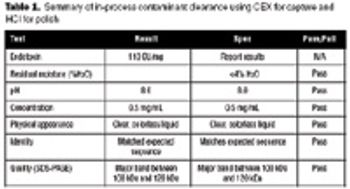
The recombinant approach lends itself to the production of an inexpensive and effective vaccine at large scale.
Potential interference with maternally-derived antibodies makes most vaccines less effective in the neonate.
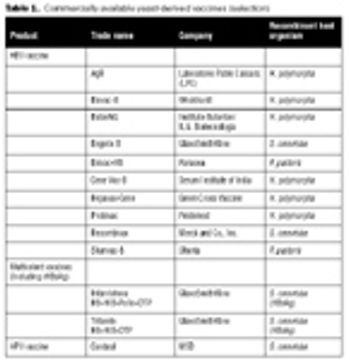
Human HBV can be grouped into eight genotypes, which differ by at least 8%.
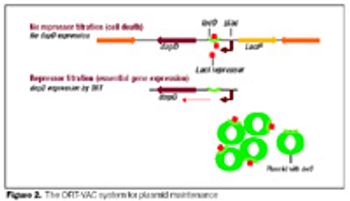
Microstructured transdermal systems can deliver a vaccine in close proximity to the antigen-presenting cells in the epidermis.

A solution for the problems of a "bag in a can" system would be a fully jacketed and insulated container, similar to a traditional freeze tank.
One of the challenges of adopting single-use technology is that not all cell lines are compatible with disposable bioreactors.