





In the second half of an interview with Edwin Stone, PhD, CEO of Cellular Origins, Stone discusses how automation in CGT manufacturing can increase productivity without displacing human workers.
Accurately targeted immunotherapies through reliable neoantigen recognition enable personalized medicine development.

Proprietary cell lines offer opportunities for achieving high AAV titers.

In the ATMP space, CGTs are hitting their stride with unprecedented approvals in the past year alone.

In the second half of an interview with Edwin Stone, PhD, CEO of Cellular Origins, Stone discusses how automation in CGT manufacturing can increase productivity without displacing human workers.

The Therapeutic Goods Administration (TGA) of Australia confirmed its initial decision to decline approval of the mAb for treating early Alzheimer’s disease.
Edwin Stone, PhD, CEO of Cellular Origins, offers his unique perspective to the challenges facing CGT manufacturers, drawing on his background in robotics and life science automation.
The committee’s recommendation is based on results from a Phase III trial in which Imfinzi demonstrated a reduced risk of recurrence, progression, or death by 32% compared to neoadjuvant chemotherapy alone.

Exosomes, polymeric nanoparticles, and DNA nanostructures offer many potential advantages.

Takeda’s TAKHZYRO (lanadelumab) is now approved in Europe as a subcutaneous injection treatment for hereditary angioedema in patients 12 years old and above and in adults.
BioPharm International® spoke with Jason Bock, founder and CEO of CTMC, to find out about the newest cancer treatments, specifically developments in tumor-infiltrating lymphocytes.

Artificial intelligence, among other technological advances, is pushing innovation boundaries.

Regulatory clearances and approvals continue as agencies work to disseminate literature, raise awareness, redouble research efforts, and improve the efficacy of clinical trials.
BioPharm International® chatted with Preeya Beczek, managing director and co-founder of Beczek.COM, about industry trends from 2024 and which of those might impact the industry in 2025, including the big trend of AI.
More than 6000 rare diseases—those which affect fewer than one in 2000 people each—are acknowledged in the medical community, with 72% of them being genetic.
Jason C. Foster, CEO and executive director of Ori Biotech, spoke on addressing bottlenecks in CGT manufacturing and what to expect in the CGT manufacturing space moving forward.

The value of outsourcing partnerships for next-gen biotherapeutics rests in the expertise and technologies that service providers bring to the table.

BioPharm International® sat down with Kate Coleman from Arriello to run through the major trends from 2024, including the importance of technological advances, and how these may progress in 2025.
Co-led by Andera Partners and Bpifrance, the Series B financing will go toward an ongoing Phase Ib/IIa clinical study for EG 427’s lead candidate and to advance the company’s genetic medicines platform.

Webcasts
Webinar Date/Time: Thu, Mar 13, 2025 11:00 AM EDT
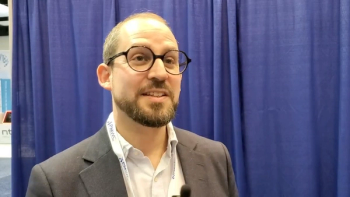
Vector Bioscience Cambridge is developing highly porous nanomaterials that can help reduce toxicities due to the small amount of vehicle material.

Webcasts
Webinar Date/Time: Tue, Mar 4, 2025 11:00 AM EST
The new AI co-scientist is a multi-agent AI system that acts as a virtual scientific collaborator to aid scientific research.
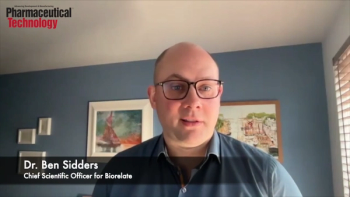
In this interview, BioPharm International® discusses the trend of AI in pharma and how it may play out in 2025 and beyond with Ben Sidders from Biorelate.
The transaction includes abelacimab, which is a late-stage medicine that is in development for prevention of stroke and systemic embolism in patients with atrial fibrillation.
The company plans to assess alternate payloads for its gene therapy program, which will shift its timeline.
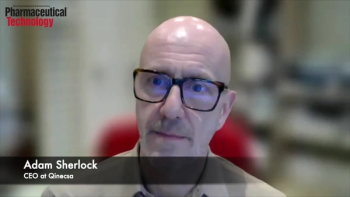
BioPharm International® spoke with Adam Sherlock, CEO of Qinecsa, about the industry trends of 2024, the future technology agenda, and M&A prospects in 2025.

Personalized medicine is a trend that continues to impact innovation and business decisions in the biopharma industry.

Feb. 11, 2025 marks the 10th anniversary of the International Day of Women and Girls in Science.