


BioPharm International® spoke with Oury Chetboun, CEO of Seekyo Therapeutics, to get his perspective on what impact new modalities and technology innovations are having on biopharmaceutical development.
Accurately targeted immunotherapies through reliable neoantigen recognition enable personalized medicine development.
Proprietary cell lines offer opportunities for achieving high AAV titers.
In the ATMP space, CGTs are hitting their stride with unprecedented approvals in the past year alone.

BioPharm International® spoke with Oury Chetboun, CEO of Seekyo Therapeutics, to get his perspective on what impact new modalities and technology innovations are having on biopharmaceutical development.
The company’s presence at ASGCT included not only a booth on the show floor, but also one oral and nine poster presentations.
Webcasts
Webinar Date/Time: Wed, Jun 4, 2025 11:00 AM EDT
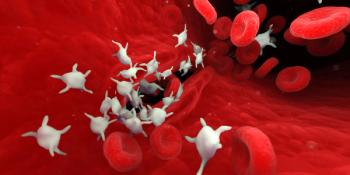
A letter of intent has been signed by the two companies for supply of artificial platelet raw material.
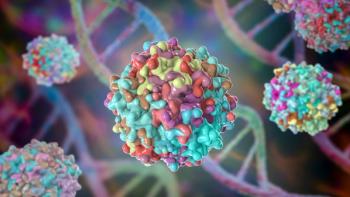
A late-breaking poster presented at ASGCT 2025 described the enhanced central nervous system transduction and safety of the vector.

A pediatric patient with a rare genetic disorder safely received a personalized CRISPR therapy, marking the first known case of a personalized CRISPR-based medicine administered to a single patient.
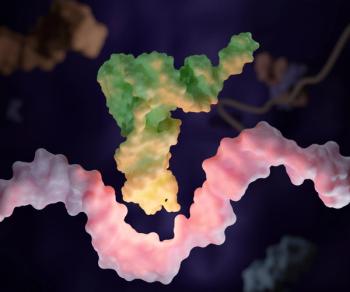
Tevard's tRNA therapy appears to restore full-length dystrophin and motor function in a Duchenne muscular dystrophy model, showing promise for nonsense mutation treatments.

The company’s technology was used to create CAR-T cells that demonstrated the expression of complex CARs in a single DNA donor.

According to the White House, the order builds on actions taken in the president’s first term to reduce price disparities domestically.
BioPharm International® spoke with Ryan Larson, PhD, SVP, Head of Research at Umoja BioPharma about how emerging modalities in cancer treatments, including cell therapies, are evolving.

As more originator biologics lose patent exclusivity in the next decade, a healthy biosimilars pipeline is necessary but requires market support.
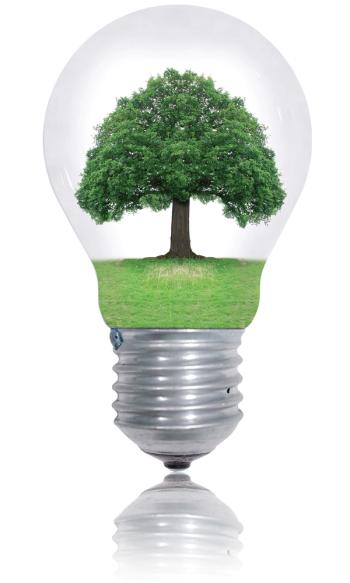
Incorporating sustainable practices into process designs as early as possible ensures optimal performance.
The company hopes that its proprietary circVec technology platform will become a gold standard for nucleic acid and viral therapeutics.
BioPharm International® spoke with Lun Xin, associate director at WuXi Biologics, about high-concentration biologics and some of the biggest challenges associated with their formulation.
This article provides an overview and introduction to the use of analytics in biopharmaceutical development and manufacturing.
Aviva Capital Partners and developer Socius are investing £1 billion in a 12-acre site to be located at the London Cancer Hub next to The Institute of Cancer Research, London and The Royal Marsden NHS Foundation Trust’s Sutton site.

The company’s intent is to establish Merck Wilmington Biotech as the future United States home for producing Keytruda for US patients.
Among the new data the company plans to show in its presentations is the successful, repeated dosing of an mRNA-LNP in monkeys.

Black Hawk’s subsidiary, BH Merger Sub, will merge with Vesicor as part of the agreement.

Groundbreaking clinical studies and new research collaborations are pushing ahead even as uncertainty lingers about the geopolitical climate’s impact on development.
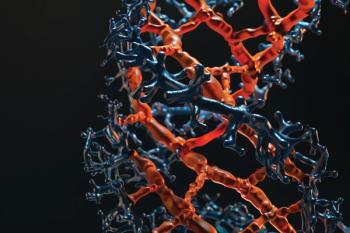
Transfer RNA is being investigated as a treatment for as many as 400 rare and ultra-rare diseases affecting the liver.
The investment agreement will support the company’s ongoing clinical trials for its treatment for the rare genetic condition, spinocerebellar ataxia.
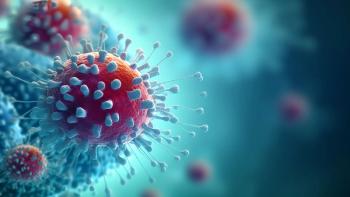
CAR T-cell therapies, TILs, and other advanced therapies are pushing progress in the treatment of cancers.

The biopharmaceutical landscape is undergoing a huge shift from traditional therapies to more specialty-driven modalities.

Through the collaboration, Pharmaron will validate and promote the application of CN Bio’s PhysioMimix technology with plans to integrate OOC technologies into its R&D platform.