




At AAPS PharmSci 360.Bala Addepalli, PhD, Director, R&D New Modalities Portfolio, Waters Corporation, discussed trends in new analytical tools for RNA characterization and gave highlights from his presentation.
Accurately targeted immunotherapies through reliable neoantigen recognition enable personalized medicine development.
Proprietary cell lines offer opportunities for achieving high AAV titers.

In the ATMP space, CGTs are hitting their stride with unprecedented approvals in the past year alone.

At AAPS PharmSci 360.Bala Addepalli, PhD, Director, R&D New Modalities Portfolio, Waters Corporation, discussed trends in new analytical tools for RNA characterization and gave highlights from his presentation.
Karunakar Sukuru, RPh, PhD, the global vice-president-Rx Product Development, Pharma and Consumer Health, at Catalent Pharma Solutions, discussed lipid-based formulations and tackling bioavailability challenges for oral biologics at AAPS PharmSci 360.
Cell and gene therapy experts Fabian Gerlinghaus, Dr. Claudia Zylberberg, and Benjamin McLeod weigh in on hot topics in CGT.
Cell and gene therapy experts Fabian Gerlinghaus, Dr. Claudia Zylberberg, and Benjamin McLeod weigh in on hot topics in CGT.
Cell and gene therapy experts Fabian Gerlinghaus, Dr. Claudia Zylberberg, and Benjamin McLeod weigh in on hot topics in CGT.
Webcasts
Webinar Date/Time: Thu, Nov 7, 2024 11:00 AM EDT

Through the collaboration, Merck will use Mestag’s proprietary RAFT platform to investigate the pathogenic role that fibroblasts play in inflammatory diseases.

The establishment of this new center aims to expedite R&D processes, reduce costs, and potentially lead to accelerated discovery of new candidate therapies.
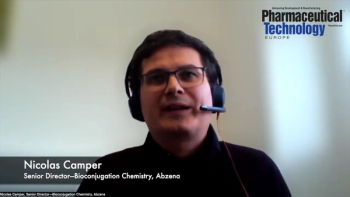
At CPHI Milan, Nicolas Camper, senior director—Bioconjugation Chemistry, Abzena, spoke about new developments in ADC technologies, including the role of complex chemistries.

Solving the challenge of better-stabilized temperature-sensitive biomolecules hinges on innovative formulation strategies.
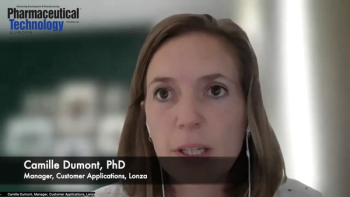
At this year's CPHI Milan, Camille Dumont, PhD, manager, customer applications, Lonza, discussed current industry trends that are impacting oral solid dose formulation work.
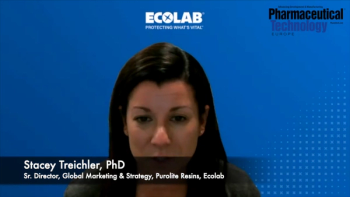
At CPHI Milan, Stacey Treichler, senior director of global marketing and strategy, Purolite, an Ecolab company, spoke about current trends in the biopharma industry and innovations in purification resins .
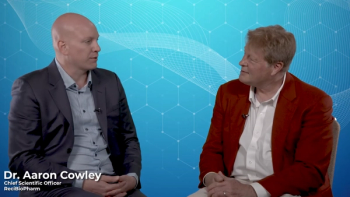
During Bio 2024, Aaron Cowley, PhD, chief technical officer and co-founder, Captozyme, discussed the advancement in development of microbiome-derived therapeutics.
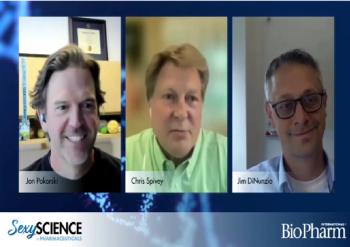
This premiere episode of Sexy Science in Pharmaceuticals features Professor Jonathan Pokorski, UC San Diego Jacobs School of Engineering, and Dr. James DiNunzio, Senior Principal Scientist at Merck & Co., Inc. in Rahway, NJ, discussing the benefits of hot-melt extrusion.

Webcasts
Webinar Date/Time: Thu, Oct 31, 2024 11:00 AM EDT

Webcasts
Webinar Date/Time: Session 1: Tue, Oct 22, 2024 11:00 AM EDT Session 2: Tue, Oct 22, 2024 2:00 PM EDT Session 3: Wed, Oct 23, 2024 2:00 PM JST

Innovative solutions are making personalized cell and gene therapies accessible to all.
This podcast explores the challenges of and the progress made so far by the biopharma industry toward alternative drug delivering methods for biologic drugs.

Webcasts
Webinar Date/Time: Wed, Oct 16, 2024 11:00 AM EDT
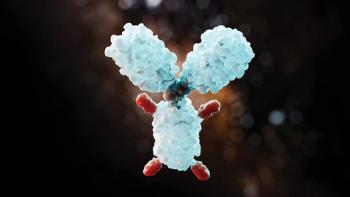
Bringing promising ADC candidates to market faster hinges on the biopharma industry investing in linker design capabilities.

Emerging therapies, such as cell and gene therapies, come with unique challenges that must be planned for in advance.
Webcasts
Webinar Date/Time: Tue, Oct 8, 2024 11:00 AM EDT
Novo Nordisk will use Korro Bio’s OPERA platform to develop RNA editing candidates for two targets to treat cardiometabolic diseases.

Alternative delivery methods for biologics continues to be explored that offer less invasive, less painful administration.

Weighing development costs/resources and performance benefits is essential.