



NIBRT's Ray O'Connor provides an overview of aseptic processing.
NIBRT's Ray O'Connor provides an overview of aseptic processing.

Preparation of biological samples for chromatographic analyses.
NIBRT's Pauline Rudd on what to expect when performing glycan analysis.

Is process-centered organization in biopharmaceutical manufacturing a stepping stone or a stumbling block?
NIBRT's Jayne Telford provides an overview of biopharmaceutical analytics and their accompanying qualification and validation steps.
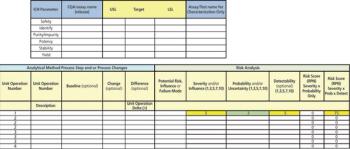
A 10-step systematic approach to analytical method development and validation can improve the quality of drug development.
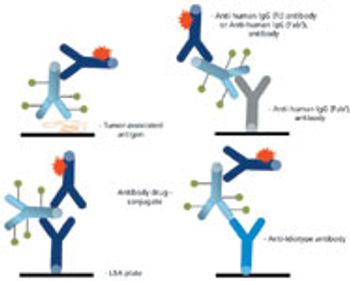
The complex structure of ADCs necessitates different analytical strategies than those for either small molecules or unconjugated monoclonal antibodies.
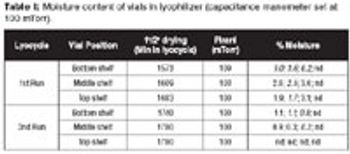
Using an alternate moisture-generation method may provide more accurate data for regulatory submissions.
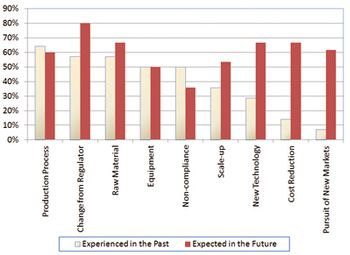
MIT survey results address product and site characteristics that statistically correlate with quality performance.

Using a competency-based approach to effectively train biopharmaceutical industry staff.
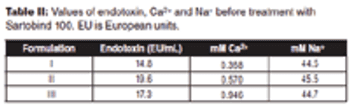
The authors describe a simple method to remove endotoxins from highly viscous formulations.
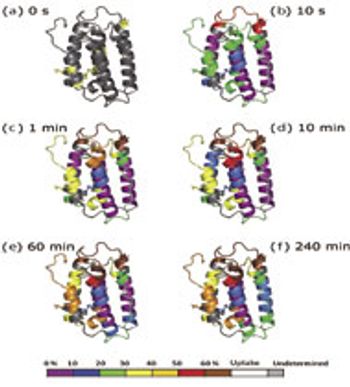
In HDX studies, data are produced across multiple time points, multiple species, and with replicates.
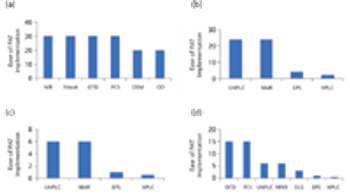
The authors review the various analytical methods that can enable use of PAT.
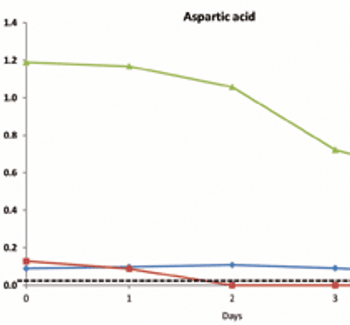
Current expectations in bioprocessing and a framework for using NMR to enhance a QbD approach.
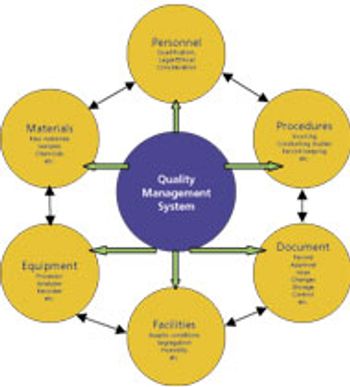
Members from an ASQ working group provide analytical methods to enable PAT.
Unnecessary analytical testing can lead to unnecessary costs.
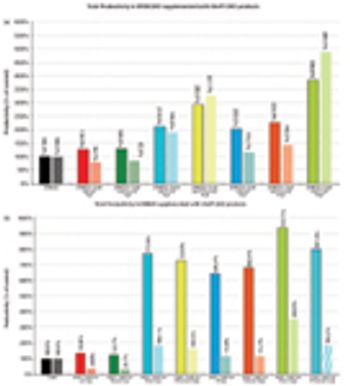
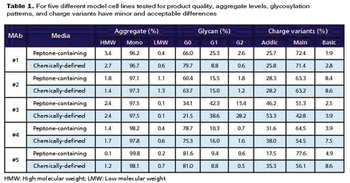
Cell-line specific complex media supplements combine chemically defined media additives into a single supplement.
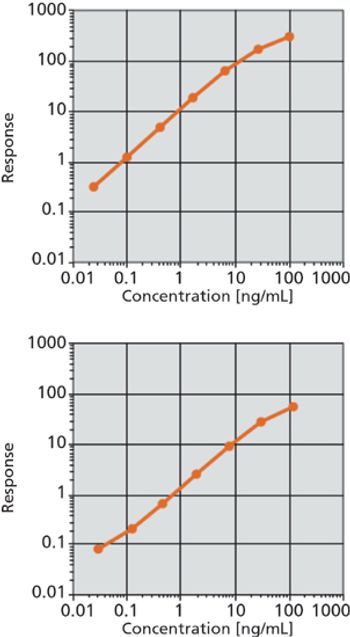
The authors discuss a new, rapid immunoassay for the detection of biomarkers.
Future sponsor-contract provider relationships will require more integration.
Rather than seeking a single indication for one large group, the orphan-drug approach segments the market for a drug more minutely.
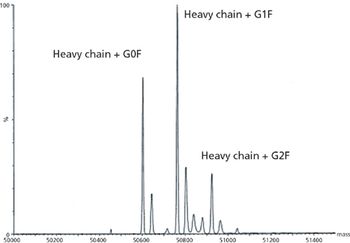
The author describes techniques that can be used to provide the analytical data required by ICH Q6B for characterization of monoclonal antibodies.
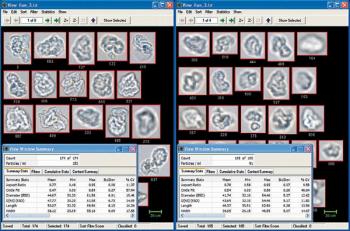
Overcoming limitations of volumetric techniques and detecting transparent particles.
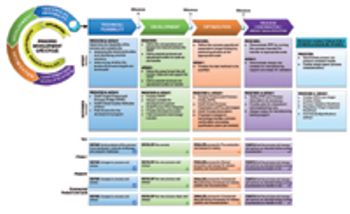
Achieving multiproduct development within shortened timelines.
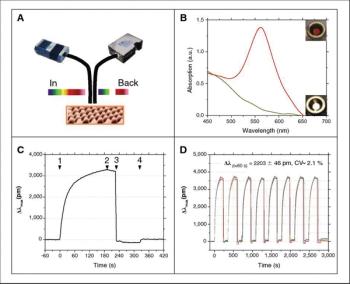
Use it label-free, or add labels to detect contaminants in solution.