
Ensuring the quality of data in process monitoring and control systems starts in process development phases.
The digital transformation of quality-by-design assessment workflows can improve efficiency, reduce human errors, and facilitate integration within a much broader digital ecosystem.

The authors discuss subjectivity in the ICH Q9 (R1) guidance document.

Understanding how to apply phase-appropriate GMPs is crucial for achieving successful regulatory approval.

Ensuring the quality of data in process monitoring and control systems starts in process development phases.

While new industry guidance documents issued by FDA speak to the agency’s efforts to promote the development of new gene therapies, certain hurdles remain to challenge stakeholders.

States, hospitals, and insurers support manufacturing arrangements to ensure access to affordable medicines.
Emergency actions to protect patients and the drug supply may have long-term implications.
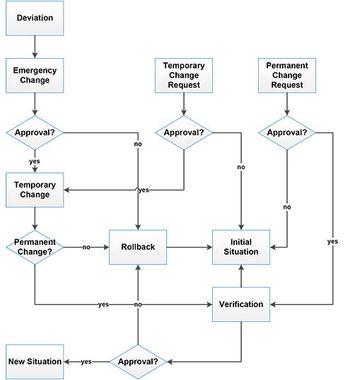
No matter why change may be needed, it is important to comply with all the relevant regulatory requirements, says Siegfried Schmitt, PhD, vice-president, technical, Parexel Consulting.
With the first announced drug shortage tied to the coronavirus outbreak, FDA emphasizes urgency for monitoring drug supply chain.
If approved, the therapy may become the first-choice treatment for relapsing multiple sclerosis patients and will be the first B-cell therapy that can be self-administered using an autoinjector pen.
As the date for transitioning the approval of biologic drug to a new pathway comes closer, FDA publishes a final rule and answers questions on the pathway changes.
FDA has granted breakthrough therapy designation to padcev (enfortumab vedotin-ejfv) in combination with Merck’s anti-PD-1 therapy keytruda (pembrolizumab).
US and European regulatory officials continue to anticipate supply shortages in multiple areas.
FDA’s Center for Biologics Evaluation and Research is planning on publishing nine specific guidance documents on gene therapies in 2020.
The agency is taking steps to monitor the supply chain and assist in the development of treatments.
The company has said that all three of its operating sites in China started back up on Feb. 12 and that it is closely monitoring the outbreak.
If approved, this treatment will be the first therapy targeted for METex14-mutated advanced lung cancer.
The report details OPQ’s accomplishments over the past five years.
The research community is moving quickly to launch clinical trials of potential countermeasures, while regulatory authorities aim to support product development through regulatory flexibility.
FDA published draft guidance for applicants seeking licensure of a proposed biosimilar or proposed interchangeable biosimilar.
The two agencies are collaborating to support a robust biologics marketplace by taking steps to deter anti-competitive business practices.
By establishing effective management of data and knowledge, it will be possible to employ advances, such as artificial intelligence and synthetic biology, to their full potential in upstream bioprocessing.
The FDA Commissioner plans to address drug prices, the drug approval process, and supply chain issues during his time as commissioner of FDA.
The vaccine is designed to provide active immunity against the influenza A (H5N1) strain and can be easily deployed in a pandemic event.

Data management is crucial in bio/pharmaceutical laboratory settings from discovery steps through clinical studies and varies based on the development phase.
Complex protein structures pose analytical challenges that can be addressed by advanced mass spectrometry technologies and workflows, which can be used to comprehensively characterize them.

The trend toward personalized medicines includes more complex manufacturing cycles that can benefit from advanced process modeling early on in the therapeutics’ development.
Increased reliance on foreign producers raises concerns and spurs collaborations.