





Biologic Drugs in Development
Latest News
Advertisement
Latest Videos

Advertisement
More News

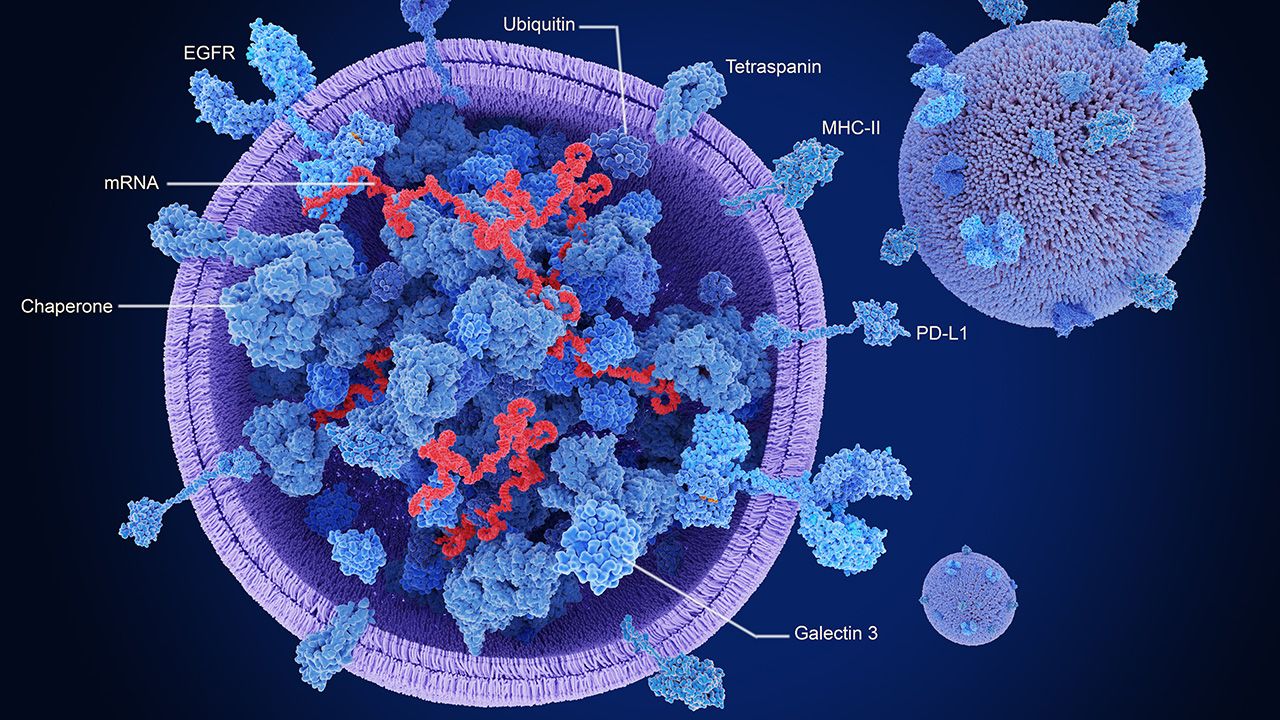
Stand Up To Cancer has awarded its Nina Nicolai Pancreatic Cancer Innovation in Collaboration Award to a research team developing a combination approach that pairs an engineered mRNA vaccine with KRAS G12D-directed TCR-T cell therapy, aiming to sustain antigen production and improve T-cell responses against pancreatic cancer.

Early Parkinson patients could gain a first disease-modifying option as ACI-7104 clears a major FDA hurdle after strong interim results.

Ascletis Begins Phase I Studies of Amylin Agonist ASC36 and Its GLP-1/GIP Co-Formulation for Obesity
Ascletis has initiated two Phase I studies for its obesity pipeline: ASC36, a once-monthly amylin receptor peptide agonist, and ASC36_35FDC, a once-monthly fixed-dose co-formulation of ASC36 with its GLP-1R/GIPR dual agonist ASC35, following recent FDA IND clearances for both candidates.

Akeso is pairing a next-gen bispecific ADC with its PD-1/VEGF antibody, ivonescimab, in a first-line push against hard-to-treat breast cancer.

AWS's AI and cloud tools aim to compress Novo Nordisk's path from drug target to first human dose for chronic disease patients.
Moderna's mFLUSIVA approval offers a regulatory case study for mRNA vaccine sponsors, covering comparator selection lessons from the FDA's reversed refusal-to-file, competitive implications for Pfizer and Sanofi's mRNA flu programs, and what the accelerated approval pathway means for long-term regulatory risk.

BI-1808 plus pembrolizumab posted a 24% response rate in platinum-resistant ovarian cancer, tripling pembrolizumab's historical rate alone.

Neurocrine Biosciences has dosed the first participants in a Phase 1 study of NBIP-'1968, an investigational GLP-1/GIP/glucagon receptor triple agonist for obesity, marking the company's entry into the increasingly competitive multi-agonist incretin therapeutics space.

Melanoma patients who failed anti-PD-1 therapy gain a new option after Replimune's oncolytic virus clears FDA on its third try.

Dr Steve Harr of Sana Biotechnology describes how converging islet transplant science makes a single-treatment cure for type 1 diabetes without immunosuppression an inevitable outcome.

Mediar Therapeutics has signed a collaboration and option agreement with Ono Pharmaceutical to co-develop novel antibody therapeutics targeting myofibroblast biology in fibro-inflammatory diseases, building on Mediar's existing three-program antifibrotic antibody pipeline.

Backed by an 84.3% drop in RSV hospitalizations, Enflonsia could extend protection to high-risk infants still vulnerable in their second season.

Sanofi has suspended a phase 2 trial of SAR445399, an anti-IL-1R3 monoclonal antibody, in non-cystic fibrosis bronchiectasis, part of new ceo Belén Garijo's ongoing portfolio review rather than a safety concern.

Nonhealing wounds precede 80% of diabetes-related amputations, and BIOxHEAL is now cleared to test whether it can change that in a controlled trial.

Alteogen has licensed its ALT-B4 subcutaneous platform to an undisclosed global pharmaceutical company in a deal worth up to $365 million.

Sana Biotechnology's CEO, Dr Steve Harr, weighs in on how CRISPR-edited donor islet cells have survived 14 months without immunosuppression in a type 1 diabetes patient.

Under the deal, Pathos gains ex-China rights and will fund development of the bispecific ADC, already in phase 3 testing for triple-negative breast cancer.

The FDA has accepted Allergan Aesthetics' supplemental Biologics License Application for BOTOX Cosmetic to treat masseter muscle prominence, a submission that could make it the first neurotoxin approved for this indication in the US.

Oblenio Bio has dosed the first patients in a phase 1a trial of tri-specific T-cell engager LBL-051 for refractory autoimmune disease.

Rocket Pharmaceuticals has reported a positive safety update for RP-A501 from the first 3 patients treated under a modified phase 2 protocol in Danon disease.

FDA has granted fast track designation to Aravax's PVX108, a peptide immunotherapy for peanut allergy, ahead of phase 2 data.

Opus Genetics has enrolled the last patient in its registrational Phase 3 trial of OPGx-LCA5, an AAV8 gene therapy for LCA5-associated inherited retinal disease, keeping the program on track for a potential first-in-disease approval.

China's NMPA has approved an IND for a Phase Ib/II trial combining Leads Biolabs' PD-L1/4-1BB bispecific antibody opamtistomig with standard regimens in metastatic colorectal cancer, extending the drug's reach into one of oncology's most immunotherapy-resistant tumor types.

Precision analytics and flexible manufacturing are helping to advance safer, scalable bispecific antibodies, antibody-drug conjugates, and central nervous system monoclonal antibodies from development to patients.

Planning the analytical strategy for product release should be started as early as possible to ensure product quality and regulatory success.
Advertisement
Advertisement
Trending on BioPharm International
1
Sanofi Begins Construction of EU-Backed Insulin Plant in Frankfurt
2
Nano24's Inhaled EXO-CD24 Cuts ARDS Mortality in Phase 2b Trial
3
TaiMed’s Anti-CD4 Antibody TMB-365 Reduces HIV Viral Load in Phase 1, Supporting Long-Acting Combination Regimens
4
Akeso's Ivonescimab Enters Phase 2/3 Biliary Tract Cancer Trial in US
5