





Biologic Drugs in Development
Latest News
Advertisement
Latest Videos

Advertisement
More News

Dr Julie Gerberding and Dr David Berry will headline the October 25-28 New Orleans meeting, which adds a USP standards workshop and AI, organoid tracks.
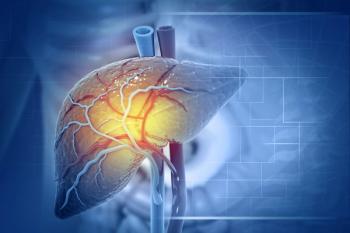
Geneos Therapeutics has initiated a 90-patient randomized phase 2 trial comparing its personalized neoantigen DNA vaccine GNOS-PV02 with active surveillance in patients with high-risk hepatocellular carcinoma after surgery.

Backed by €400 million (US$449 million) in EU-cleared German aid, the new Frankfurt facility is designed to secure insulin supply for people with diabetes from 2032.

EA2251, the 7th registrational trial of ivonescimab, will test it plus chemotherapy vs pembrolizumab or durvalumab regimens in first-line BTC.

Interim phase 1 data presented at UEG Week 2026 showed Bionyra Pharma’s Fc-engineered anti-TL1A antibody BYN-002 suppressed soluble TL1A with a half-life supporting potential every-3-to-6-month maintenance dosing in IBD.
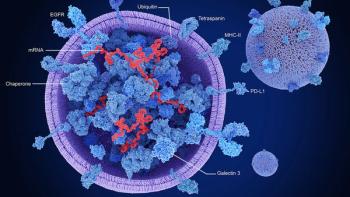
Inhaled EXO-CD24 kept 85% of patients with ARDS free of respiratory failure at day 7 vs 33.3% with placebo in a 90-patient phase 2b trial.

Nuravax will test AV-1959R in a 160-adult phase 2 trial to see whether the amyloid vaccine can prevent Alzheimer disease before symptoms begin.

In the phase 3 SHINE-2 trial, half of pediatric patients who responded to mirikizumab induction were in clinical remission at week 52. Lilly plans to file for a pediatric UC label expansion.
Guselkumab (Tremfya) sustained perianal fistula healing through 1 year in Crohn disease, with remission climbing to 35% in one FUZION dosing arm.
Roche will take ex-China development of Hansoh’s two preclinical ADCs and multiple programs against Roche-proposed targets once Hansoh completes global phase 1a trials. The deal includes $400 million upfront and more than $15 billion in potential milestones.
FAQ: When Big Pharma Drops a Drug Candidate, Who Picks It Up?
Published: | Updated:
When large pharmaceutical companies deprioritize drug candidates, smaller developers may license or acquire them, but due diligence, deal structure, and trial planning determine whether a program can move forward.

Interim phase 1/2 data presented at Retina in Rio 2026 showed sustained visual improvements with Opus Genetics’ AAV8 gene therapy OPGx-LCA5 and improved retinal sensitivity with OPGx-BEST1 in inherited retinal diseases.

The FDA approved Roche's satralizumab (Enspryng), an IL-6 receptor-targeting monoclonal antibody, for adults with thyroid eye disease based on the Phase 3 SatraGO-1 and SatraGO-2 trials, giving patients the first at-home subcutaneous treatment option.

EST-201 and EST-101 target the genetic root cause of ADPKD, a disease affecting more than 8 million people worldwide, with trials starting 2027-2028.
The FDA expanded ImmunityBio’s Anktiva plus BCG to include patients with BCG-unresponsive non-muscle invasive bladder cancer with papillary-only tumors, extrapolating efficacy from the QUILT-3.032 carcinoma in situ cohort.

The FDA expanded Fast Track status for invikafusp alfa, Marengo Therapeutics’ TCR Vβ-targeting antibody-IL-2 fusion protein, from TMB-H colorectal cancer to TMB-H solid tumors regardless of tissue of origin.
Mirikizumab (Omvoh) achieved comprehensive disease control in 27.7% of UC patients and deep remission in 20.4% with Crohn disease at 1 year.
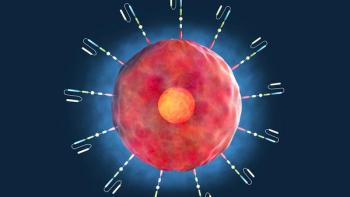
As ArsenalBio, TScan, Bristol Myers Squibb, and others abandon ex vivo programs for in vivo engineering, early clinical data and platform differences point to both the promise and the unresolved safety, manufacturing, and regulatory questions of generating CAR-T cells inside the body.

BNT113 plus pembrolizumab failed to significantly extend progression-free survival in a 285-patient HPV16-positive head and neck cancer trial.

Viking Therapeutics has started two Phase 3 trials of once-daily oral VK2735, a dual GLP-1/GIP receptor agonist, in adults with obesity, with and without type 2 diabetes.
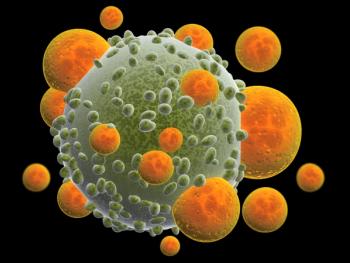
Gilead will develop up to three PRO-XTEN T-cell engagers discovered by Vir Biotechnology for solid tumors in a deal worth up to $1.74 billion.

The FDA has accepted Pierre Fabre Pharmaceuticals’ resubmitted BLA for tabelecleucel, an allogeneic T-cell immunotherapy for EBV+ post-transplant lymphoproliferative disease. The FDA’s target action date is March 31, 2027.
Johnson & Johnson's guselkumab achieved up to 29% fistula remission in hard-to-treat Crohn disease subgroups, including prior biologic failures.
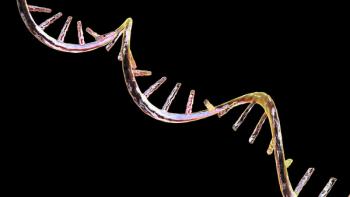
Rona's ALK7 RNAi candidate, licensed to Roche for up to $1.06 billion in milestones, aims to cut visceral fat while sparing lean mass.
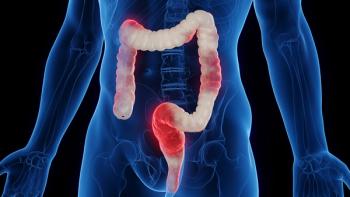
Odyssey's 146-patient phase 2a trial will pair OD-001 with vedolizumab, targeting both innate and adaptive immune drivers of ulcerative colitis.
Advertisement
Advertisement
Trending on BioPharm International
1
Sanofi Begins Construction of EU-Backed Insulin Plant in Frankfurt
2
Nano24's Inhaled EXO-CD24 Cuts ARDS Mortality in Phase 2b Trial
3
TaiMed’s Anti-CD4 Antibody TMB-365 Reduces HIV Viral Load in Phase 1, Supporting Long-Acting Combination Regimens
4
Akeso's Ivonescimab Enters Phase 2/3 Biliary Tract Cancer Trial in US
5