


Ensuring that viral vectors are free of viral contaminants requires a focus on prevention and control.
The evolution of therapeutic modalities drives the adoption of single-use technologies.
Despite a growing number of biosimilar approvals, market uptake remains a challenge.
Given the criticality of fill/finish processes, it is clear that automation is the next technological step.
Ensuring that viral vectors are free of viral contaminants requires a focus on prevention and control.
Downstream process development and manufacturing play a crucial role to ensure safety, quality, identity, purity, and efficacy.

Biopharma company, Zelluna Immunotherapy, and clinical stage biotech, Glycostem Therapeutics, have entered into a partnership focused on the development and manufacture of allogeneic T-cell receptor guided Natural Killer cell therapies for the treatment of cancer.
Fujifilm Diosynth Biotechnologies will add a new building, including gene therapy laboratories, to its facility in College Station, TX.
West introduced NovaPure 3-mL Cartridge components and the SmartDose Gen. II 10-mL injector.
Schott and W.L. Gore introduced a prefillable, silicone-free glass syringe system, which won an award at CPhI Worldwide.
The company showcased its compact robotic nest filling machine at CPhI Worldwide 2019 on Nov.–7 in Frankfurt, Germany.
The company introduced its new advanced elastomer, the 4040/40 formulation, and a new line extension of its AccelTRA component program, AccelTRA Select, at CPhI Worldwide from Nov. 5–7 in Frankfurt, Germany.
The plant in Singen, Germany will be used for formulation, filling, and packaging of Takeda’s vaccine candidate.
In batch production, efficient exception management means reducing the time required to identify, review, and resolve process exceptions. Incorporating review by exception functionality within manufacturing execution system (MES) software can streamline biopharmaceutical product release.
The companies plan to promote and manufacture Maverick, an emergency-use, cartridge-based auto-injector.
GE Healthcare Life Sciences will supply Akeso Pharmaceuticals with the FlexFactory platform to accelerate production of antibody drugs in the Guangzhou region.
Through the agreement, Samsung will provide flexible business terms while offering full regulatory support and improved batch release from small to large scale.
The company will invest $24 million into its Inchinnan, Scotland, site to expand global bioproduction capabilities with additional large-volume liquid manufacturing capacity for cell-culture media.
Schott will combine its adaptiQ platform with West’s Ready Pack system.
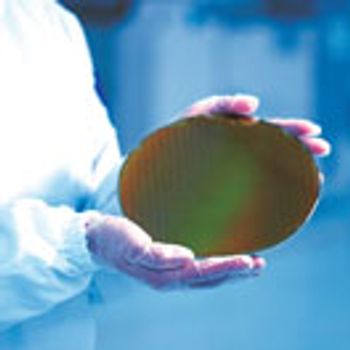
Applying lessons of raw materials’ characterization and supply-chain control from the semiconductor industry allow more rigorous control of the biopharmaceutical manufacturing process.
The project will seek to deliver treatments for the underlying cause of cystic fibrosis through submitted proposals from potential collaborators.

The authors of this study demonstrate an innovative method that is useful and complements traditional HA assays.
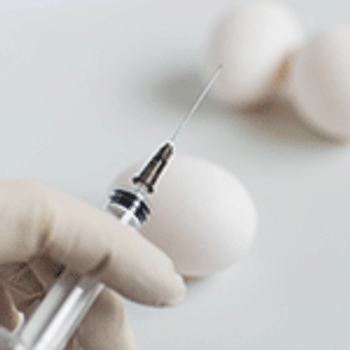
Limitations in traditional flu vaccine manufacturing methods underline the need for shifting to modern technologies.
Manufacturing differences between traditional mAb therapies and newer biotherapeutics dictate whether processes should be scaled up, scaled out, or use an alternate approach for commercial production.
The use of scale-down models allows for the theoretical optimization of processes and for troubleshooting problems during the developmental stage.
FDA report says drug shortages are underappreciated and patients pay a price.

Accelerated timelines and small batch volumes of cell and gene therapies pose unique challenges for product-release testing.
A recent report released by an FDA task force highlights the financial, manufacturing, and policy issues underlying the drug shortages of important prescription medicines in the United States.
GE Healthcare Life Sciences’ KUBio box is an integrated, flexible biomanufacturing environment for viral vector-based gene therapies.